 英语站
英语站


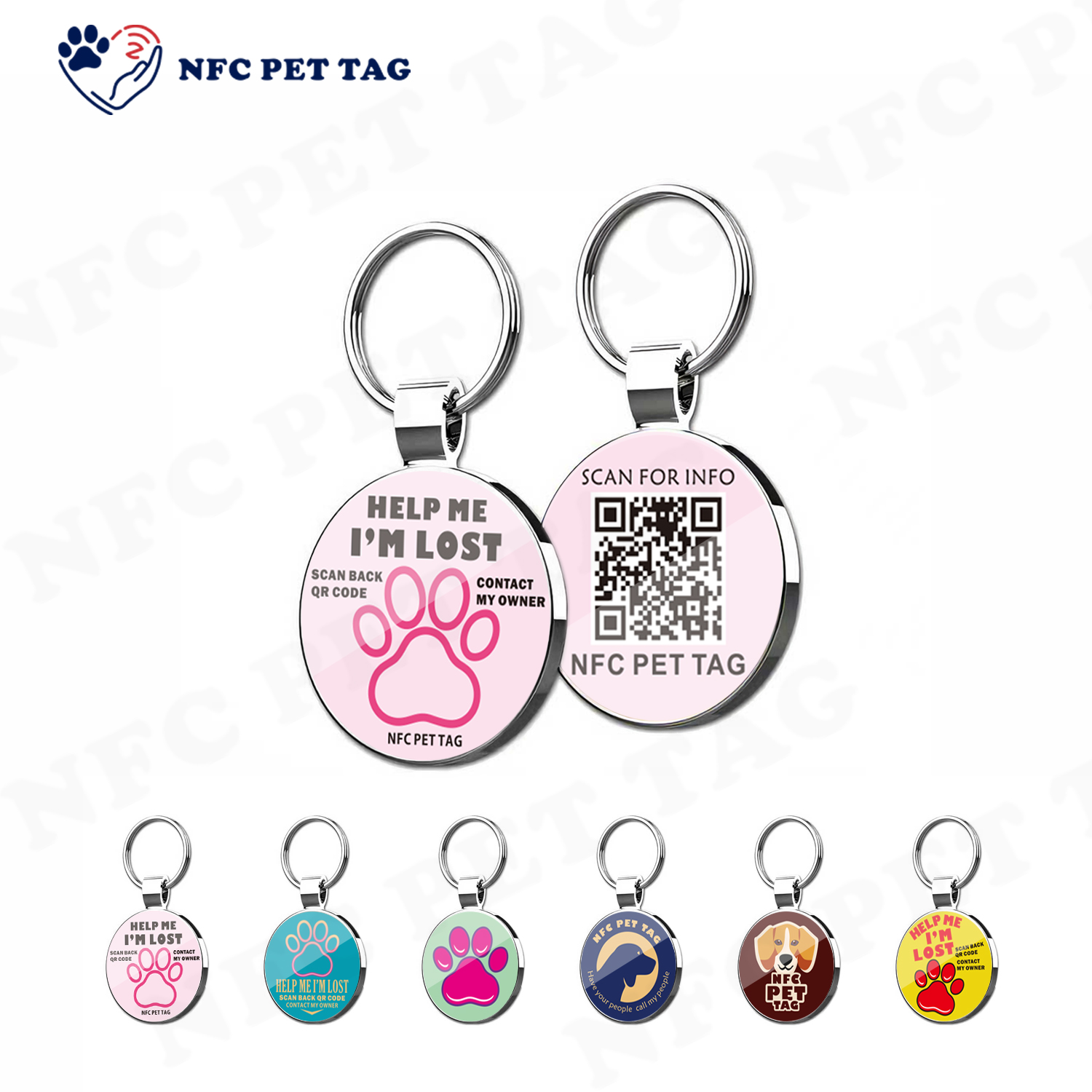
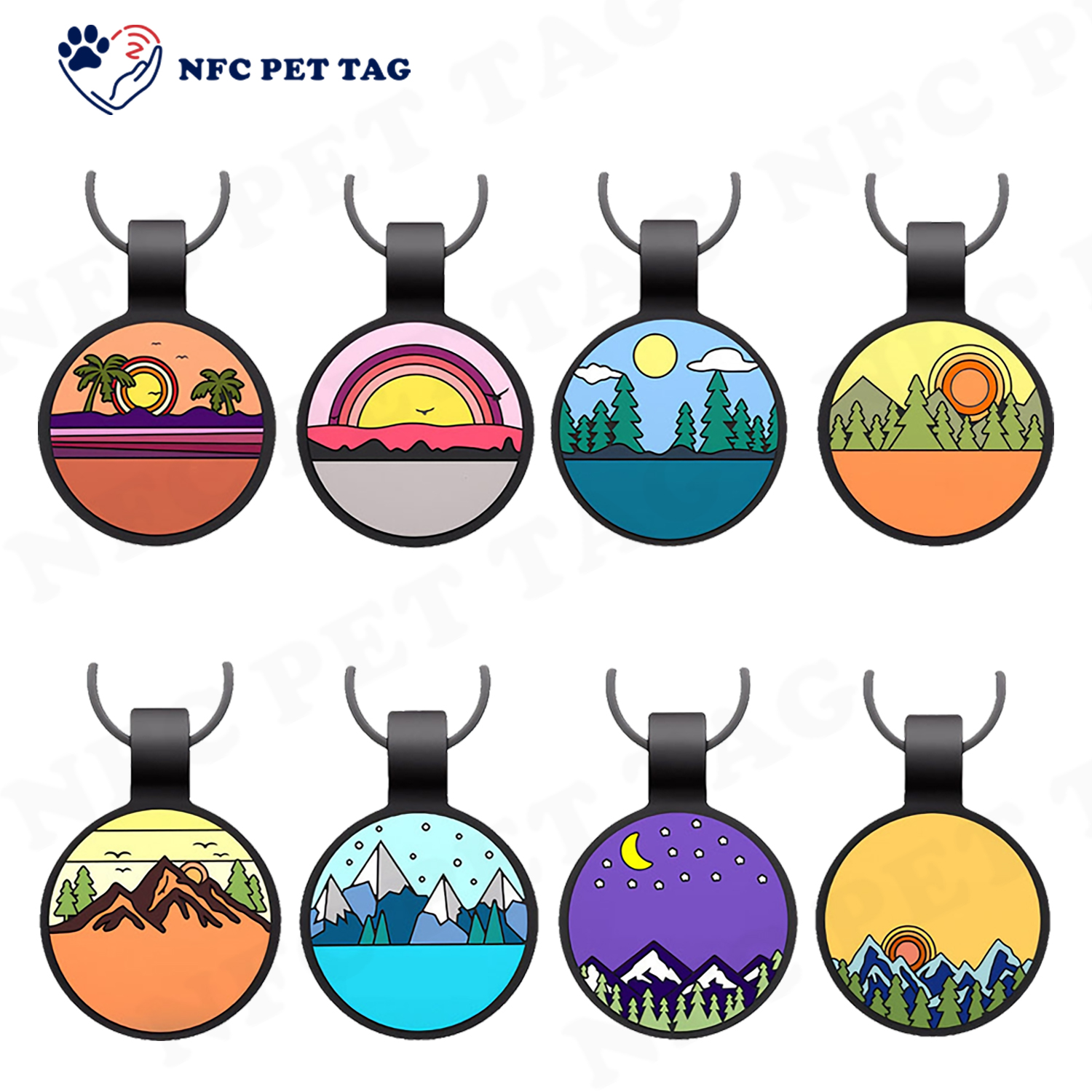
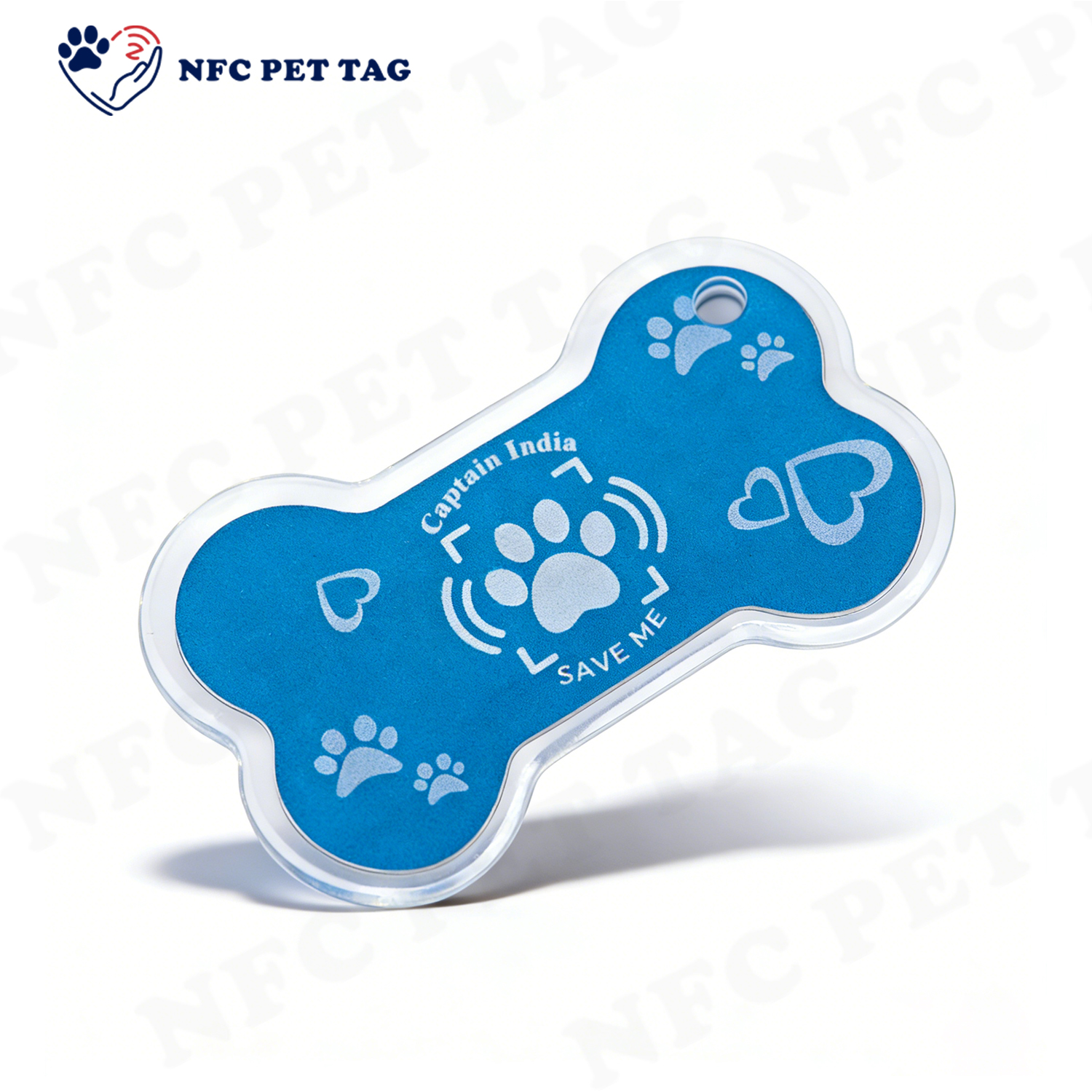
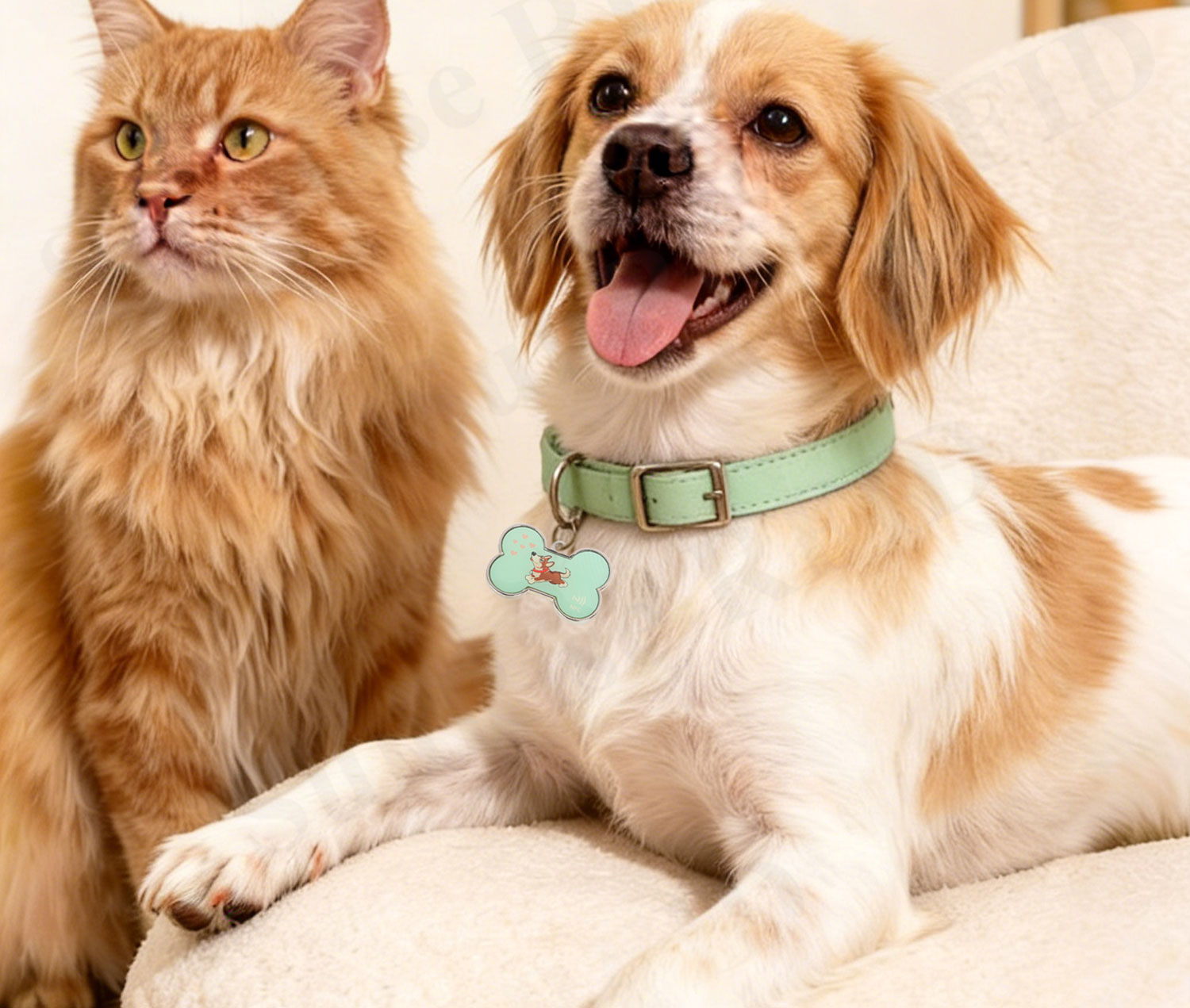
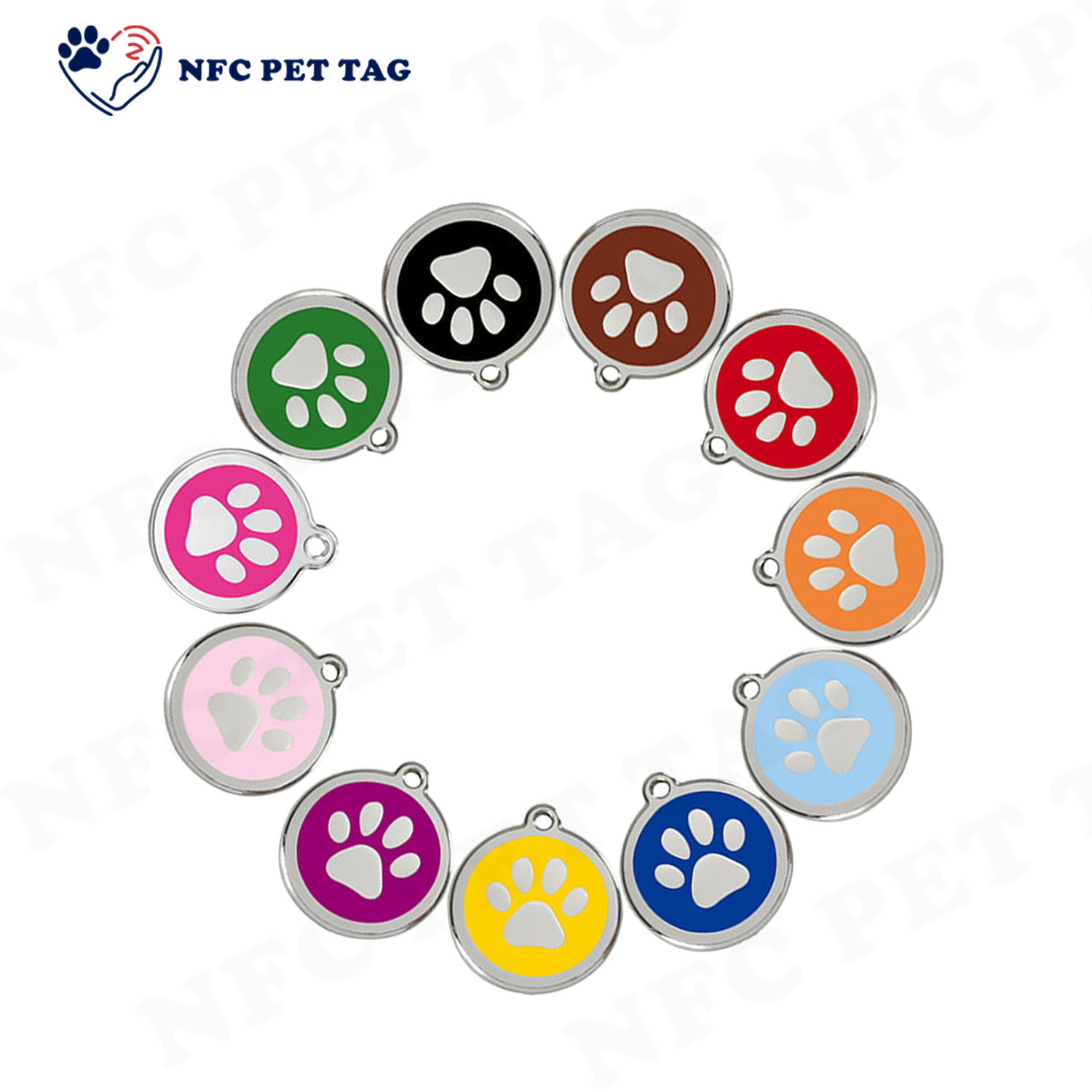
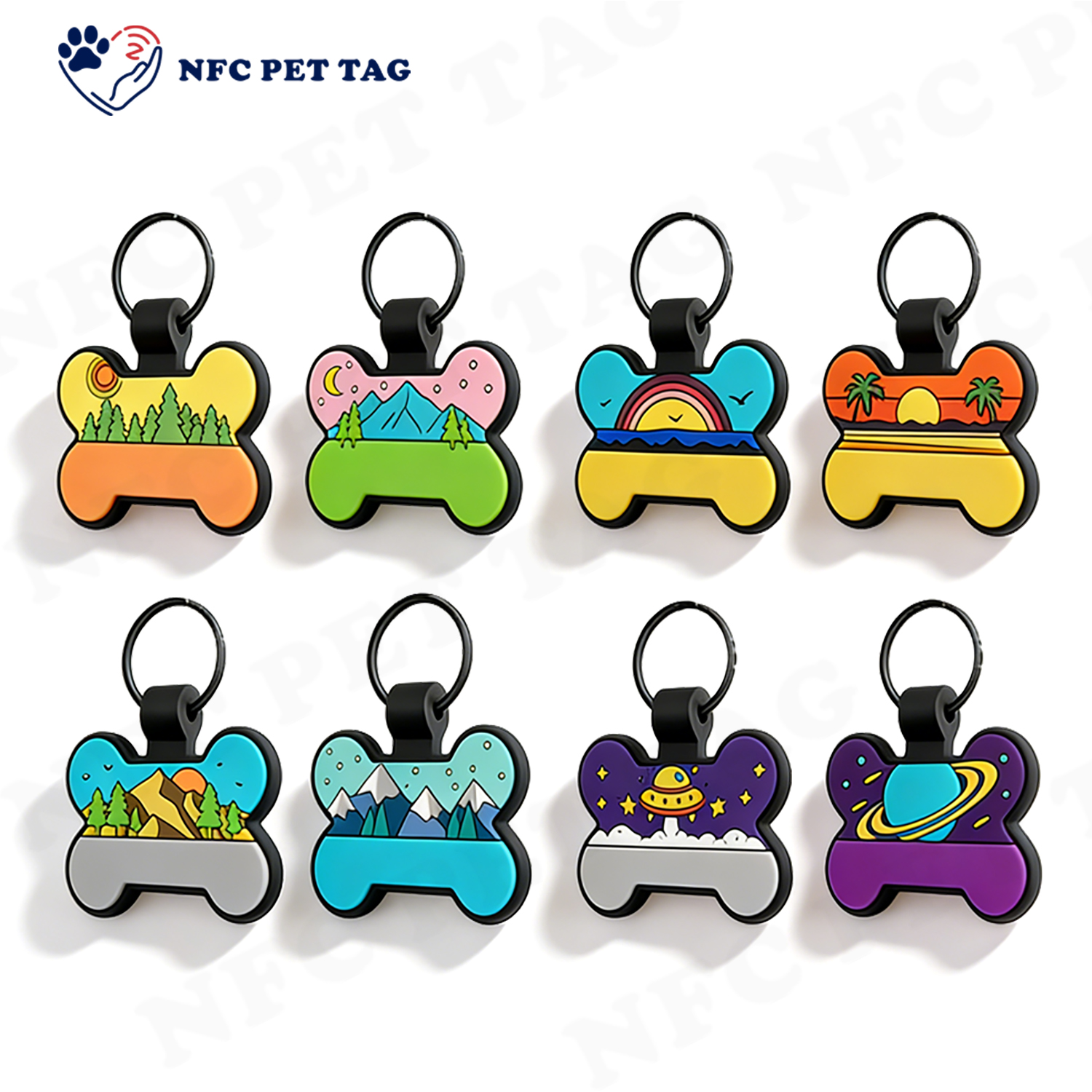
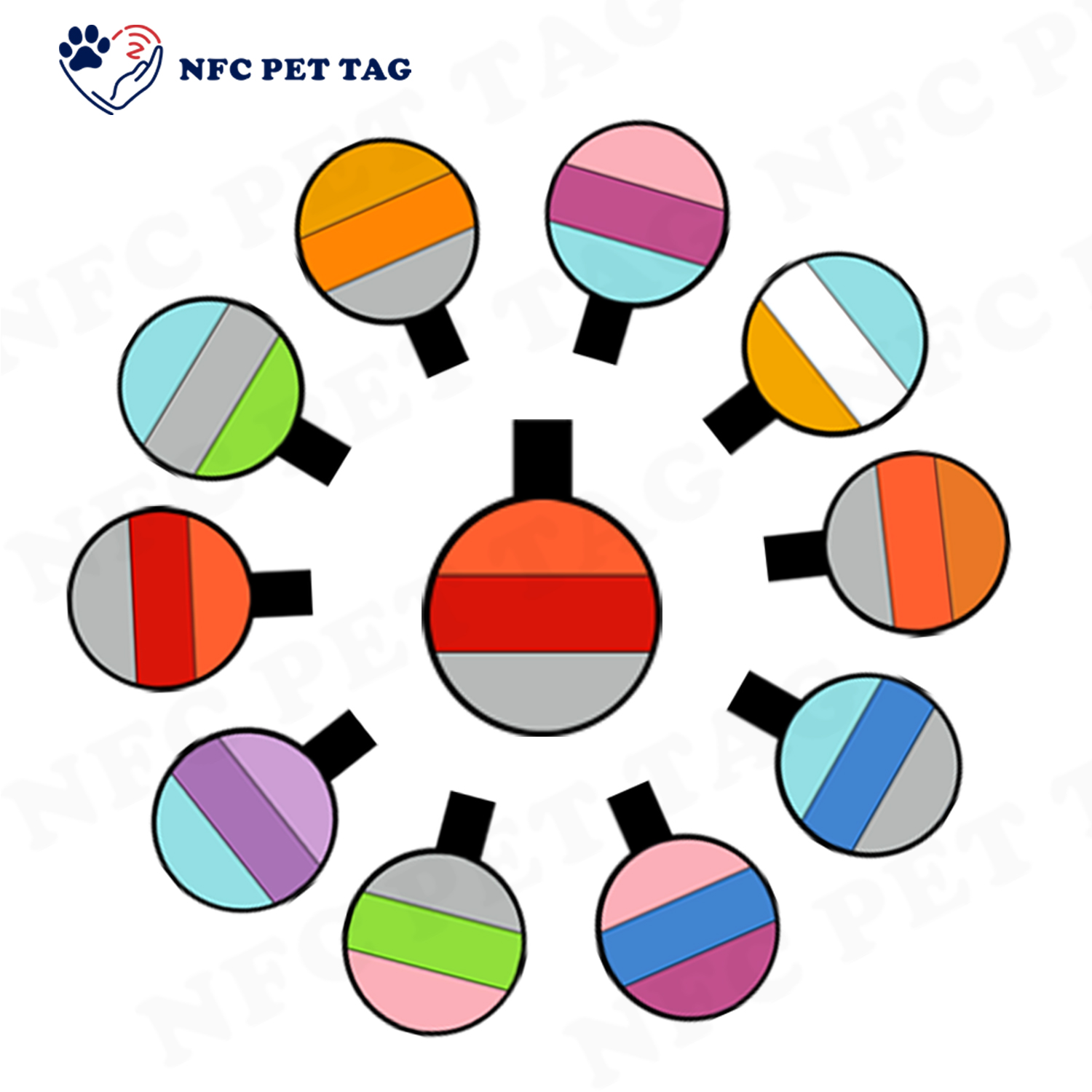
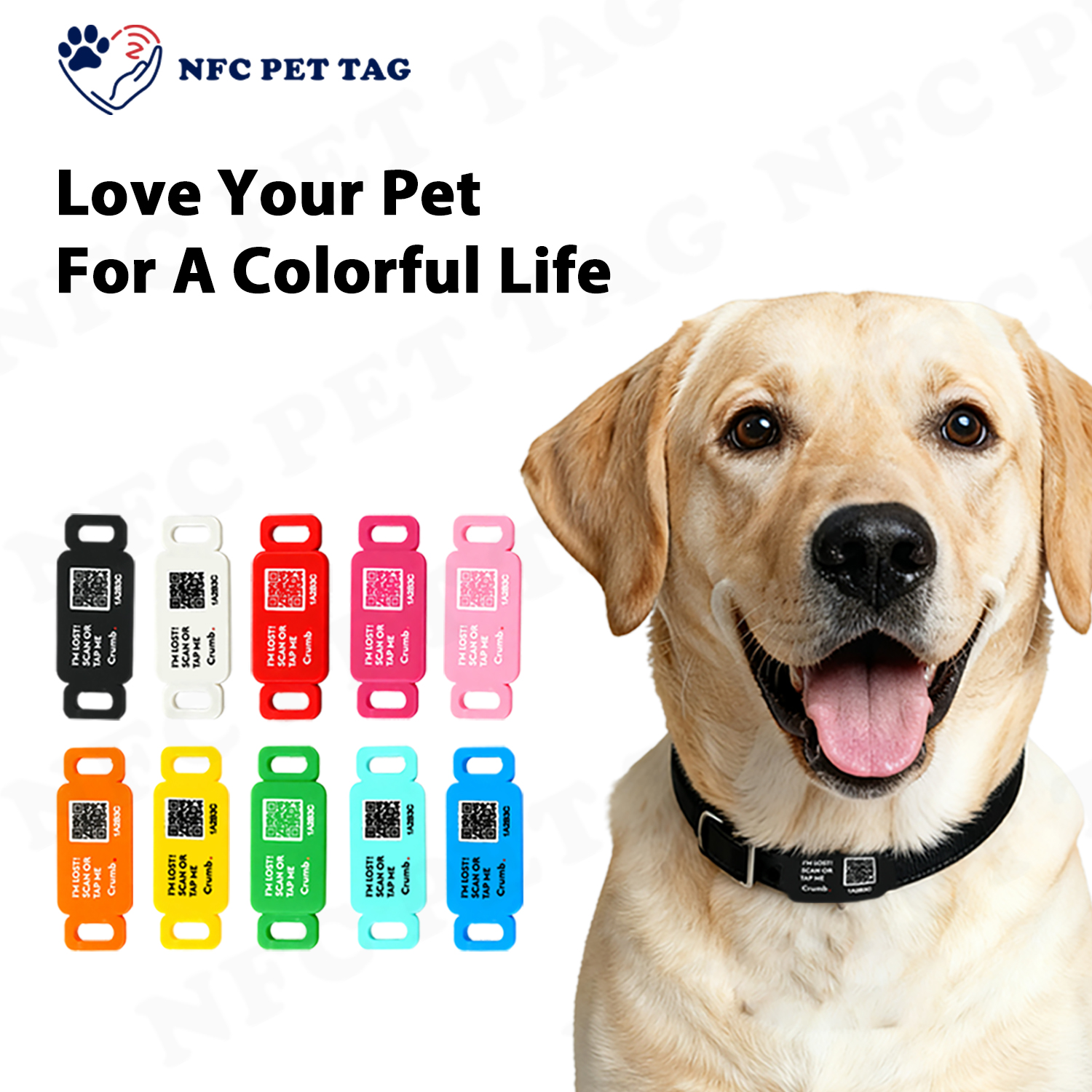
For every pet parent, the safety of their furry companion is non-negotiable. Whether it’s a daily walk around the neighborhood or an adventurous hike in the wilderness, the fear of a pet getting lost lingers in the back of our minds. Traditional dog tags—engraved with a name and phone number—have long been the go-to for pet identification, but they come with limitations: information is static, engraving can wear off over time, and in an emergency, they only share the bare minimum details. Enter NFC dog tags: the smart, versatile solution that’s revolutionizing pet identification and setting a new standard for pet security. In this blog, we’ll dive into why NFC dog tags are more than just a “fancy upgrade”—they’re a critical tool for pet safety, plus how they’re expanding into broader security applications.
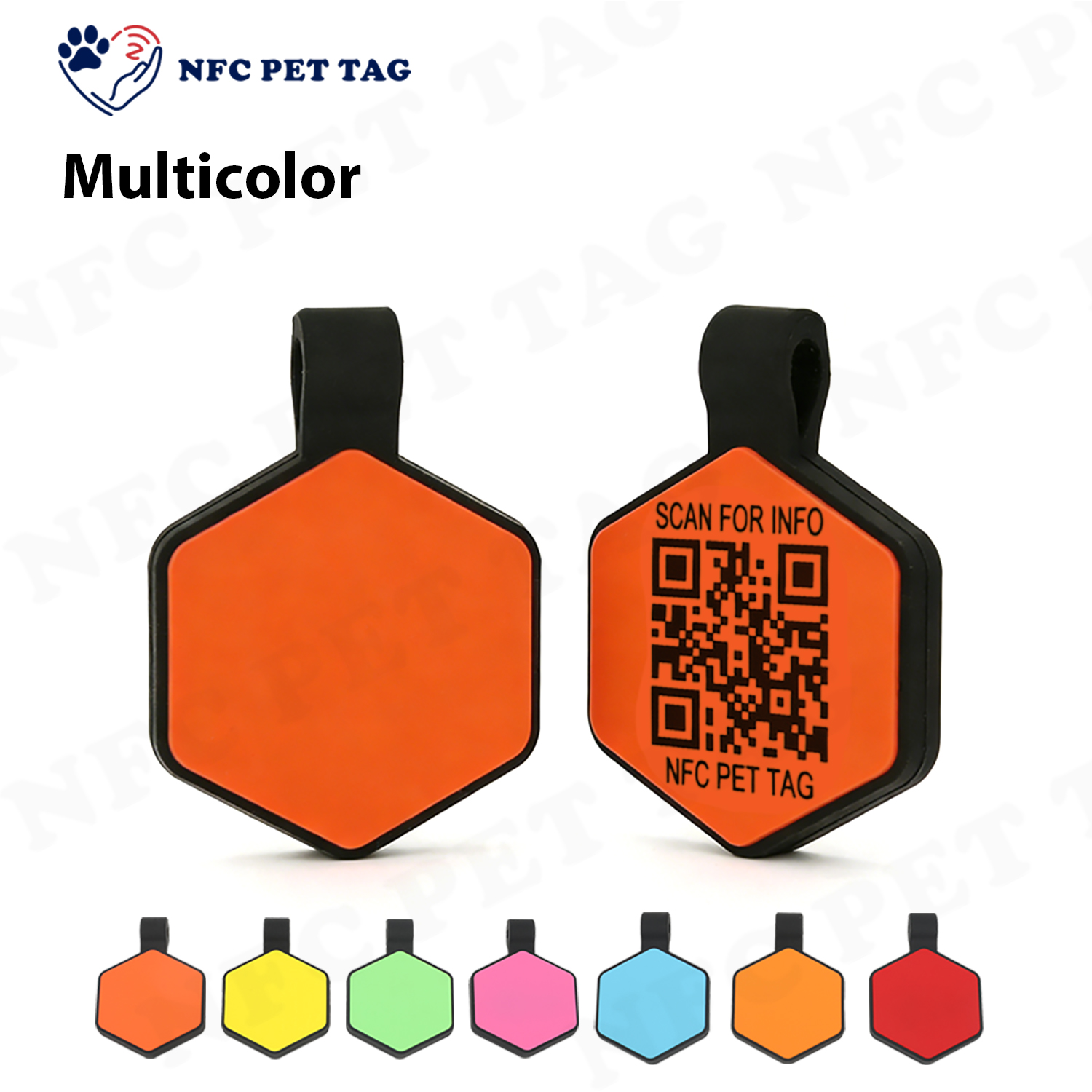 https://www.nfcpettag.com/index.php?c=show&id=20
What Are NFC Dog Tags, Exactly?
At their core, NFC dog tags are small, durable devices (often encased in silicone, metal, or plastic) that store digital data. The best part? This data is editable. If you move, change phone numbers, or switch vets, you don’t need a new tag—just update the information in the associated app or web portal. No more re-engraving fees, no more outdated details, and no more panic if your contact info changes.
Why NFC Dog Tags Are a Game-Changer for Pet Security
Traditional pet ID methods have served us well, but NFC tags address their biggest flaws while adding layers of security. Here’s why they’re a must-have for modern pet parents:
1. Comprehensive, Editable Information
A traditional tag can only fit a name, phone number, and maybe a street address. NFC tags, however, let you store a wealth of critical details: emergency contacts (multiple, in case one is unreachable), veterinary clinic information, pet’s medical history (allergies, medications, chronic conditions), microchip number, vaccination records, and even dietary restrictions or activity tolerance (perfect for outdoor adventurers!). And since you can edit this info anytime, it’s always up-to-date—no matter how many life changes you or your pet go through.
2. Instant Access, No Special Equipment Needed
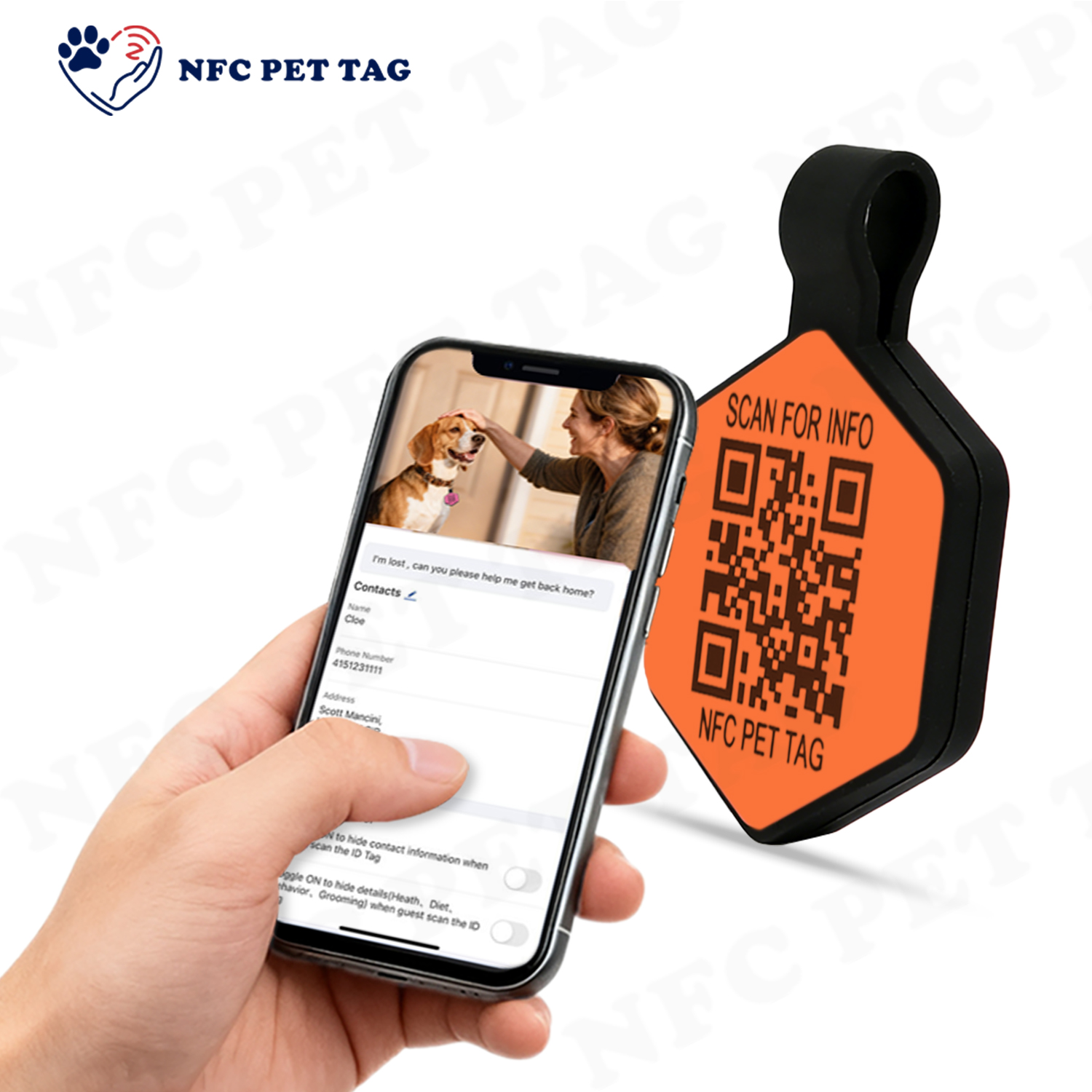
If your pet gets lost, a good Samaritan or animal shelter doesn’t need a special scanner to access their info—just a smartphone (most modern phones, both iOS and Android, have built-in NFC capabilities). No fumbling with a camera to scan a QR code, no waiting to get to a vet’s office to read a microchip. A simple tap reveals everything they need to reunite you with your pet quickly.
3. Durability for Every Lifestyle
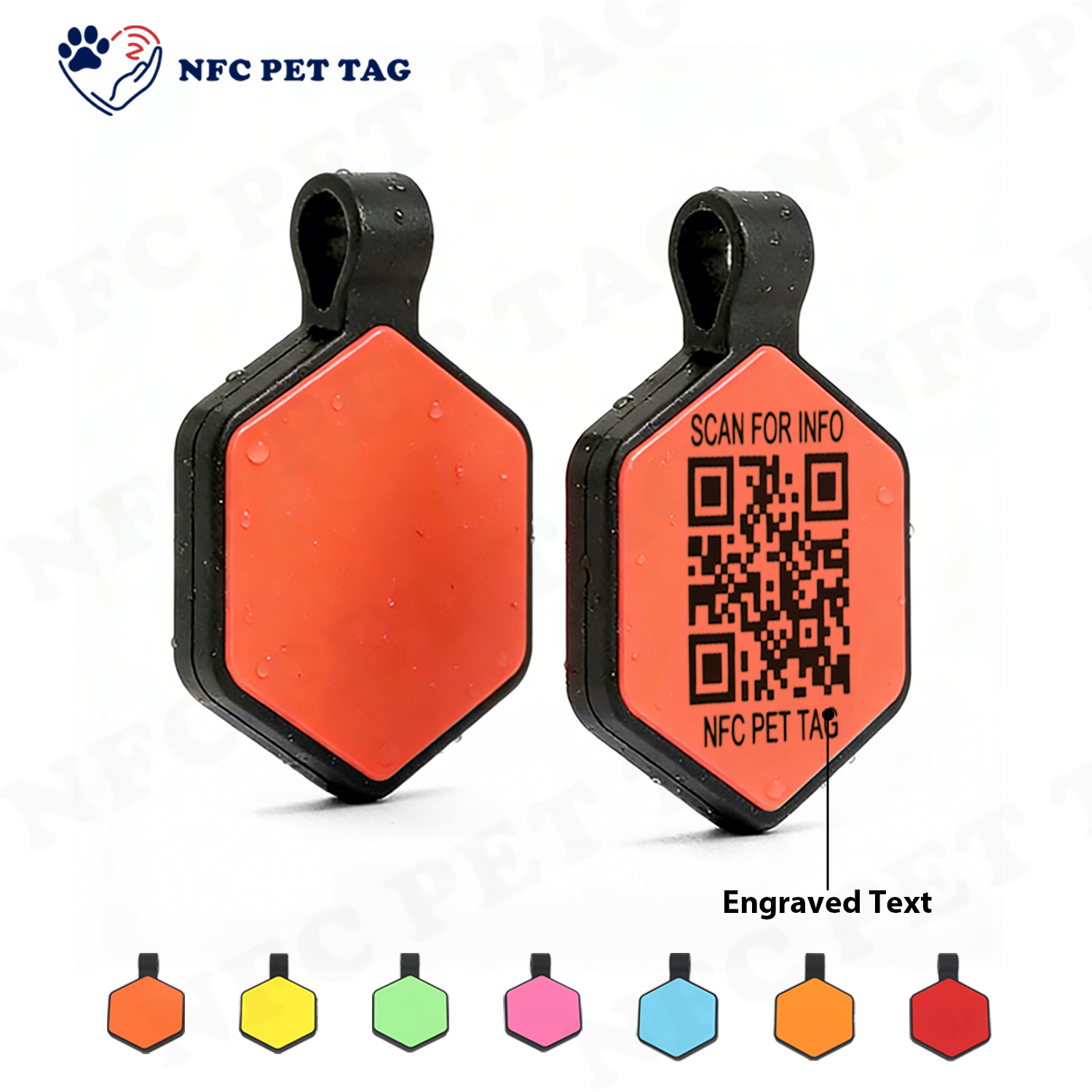
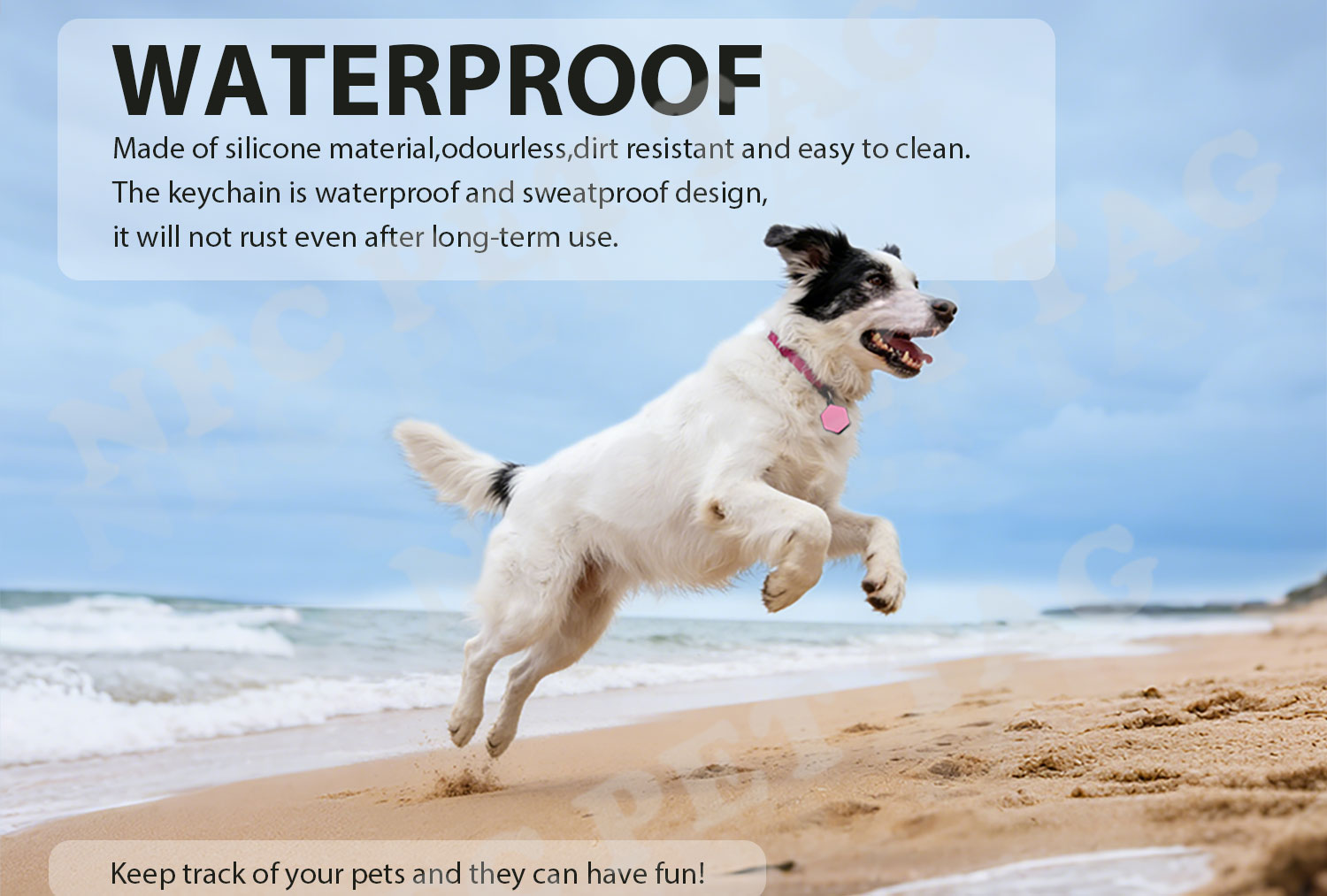
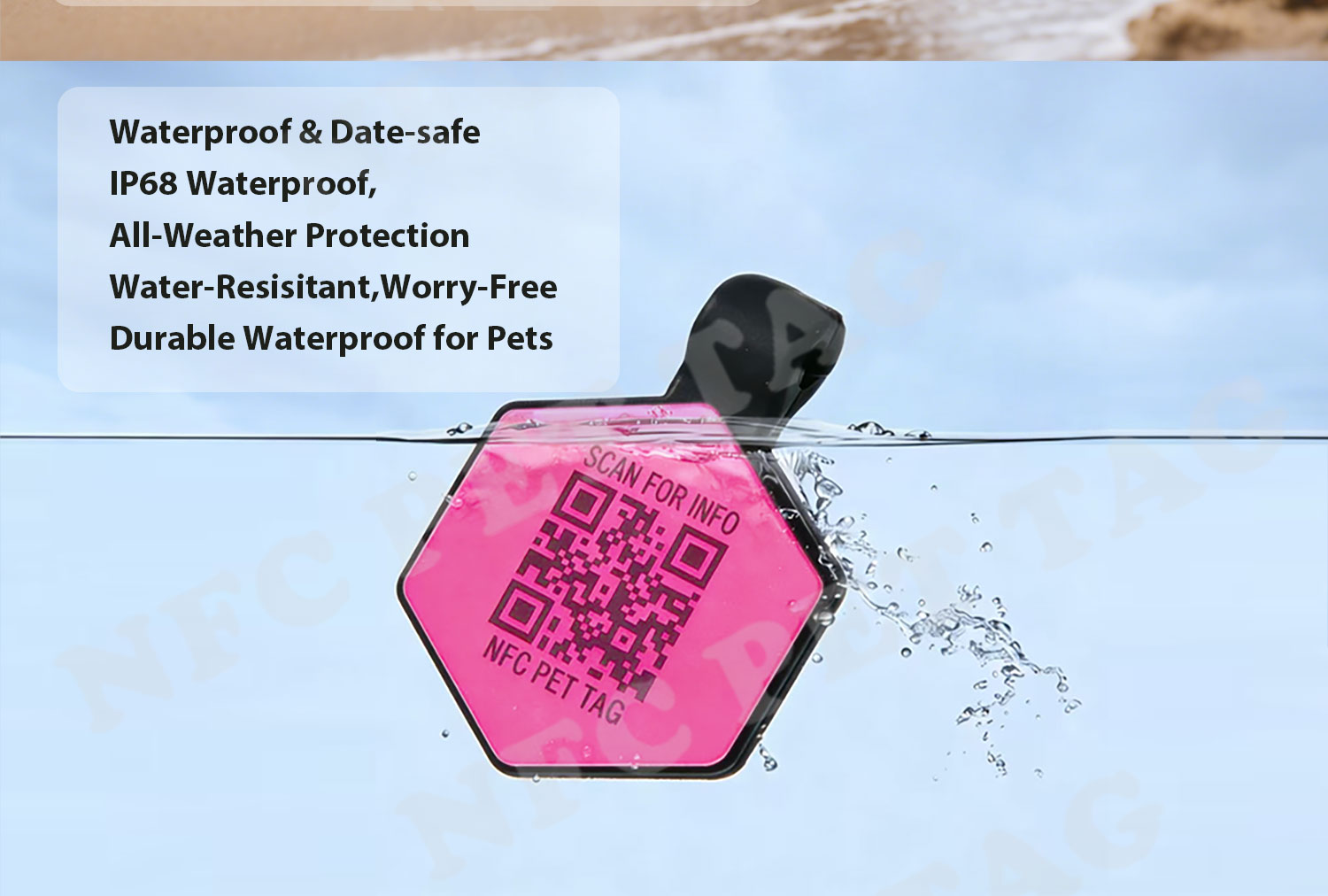
Pets are messy, active, and hard on their gear—and NFC tags are built to keep up. Many (like the silicone options we’ve highlighted in previous guides) are rugged, waterproof, and weatherproof. They resist scratches, impacts, dirt, and even submersion in water—ideal for dogs who love swimming, hiking, or rolling in mud. Unlike engraved tags, which can fade or wear off over time, the digital data in an NFC tag stays intact for years.
4. Privacy and Control
Worried about sharing too much personal info? Most NFC tag platforms let you control what’s visible to the public. For example, you can set it so that a stranger only sees a “contact owner” button (instead of your full address) or limit access to non-critical info unless they enter a code. You stay in charge of who sees your data—and when.
Beyond Pets: NFC Tags in Security Applications
While NFC dog tags are a standout use case, the technology’s security benefits extend far beyond our furry friends. Here are a few ways NFC tags are being used to enhance safety and control in other areas:
1. Access Control
NFC tags are replacing traditional keys and ID cards in homes, offices, and gated communities. Employees can tap their phones (or a small NFC fob) to unlock doors, and pet parents can even use NFC tags to grant access to pet sitters or dog walkers—no need to hand over a physical key. You can revoke access remotely if needed, adding an extra layer of security.
2. Asset Tracking
Businesses (and even individuals) use NFC tags to track valuable assets—from tools and equipment to luggage and electronics. Attach an NFC tag to an item, and you can log its location, check-out status, or maintenance history with a tap. For pet-related businesses (like doggy daycares or boarding facilities), this is perfect for tracking pet gear (crates, leashes, beds) and ensuring nothing gets lost.
3. Medical ID for Humans
NFC medical ID tags (similar to pet tags) are growing in popularity for people with allergies, chronic conditions, or disabilities. A tap reveals critical info like medical conditions, medications, emergency contacts, and blood type—lifesaving for first responders in an emergency where the person can’t speak for themselves.
4. Authentication and Anti-Counterfeiting
Brands use NFC tags to authenticate products and prevent counterfeiting. Consumers can tap a tag on a product (like electronics, luxury goods, or pharmaceuticals) to verify its authenticity, while businesses can track supply chains to ensure products aren’t tampered with. This same logic applies to pet products—you could use an NFC tag to verify that a pet food or medication is genuine.
How to Choose the Right NFC Dog Tag for Your Pet
Compatibility: Ensure the tag works with both iOS and Android devices (most do, but double-check!).
Storage Capacity: If you want to store detailed medical info, choose a tag with enough storage (most basic tags offer 1KB–4KB, which is more than enough for pet details).
Durability: Pick a tag that matches your pet’s lifestyle—silicone for active/hiking dogs, metal for a sleeker look, and waterproof options for swimmers.
App/Platform: Look for a tag with a user-friendly app that lets you edit info, control privacy settings, and receive alerts (some apps send you a notification when someone taps your pet’s tag).
Battery-Free: Most NFC tags are battery-free—they draw power from the smartphone’s NFC field—so you never have to worry about charging or replacing batteries.
Final Thoughts: NFC Tags = Smart Security for Pets (and More)
Product List
New Products
-
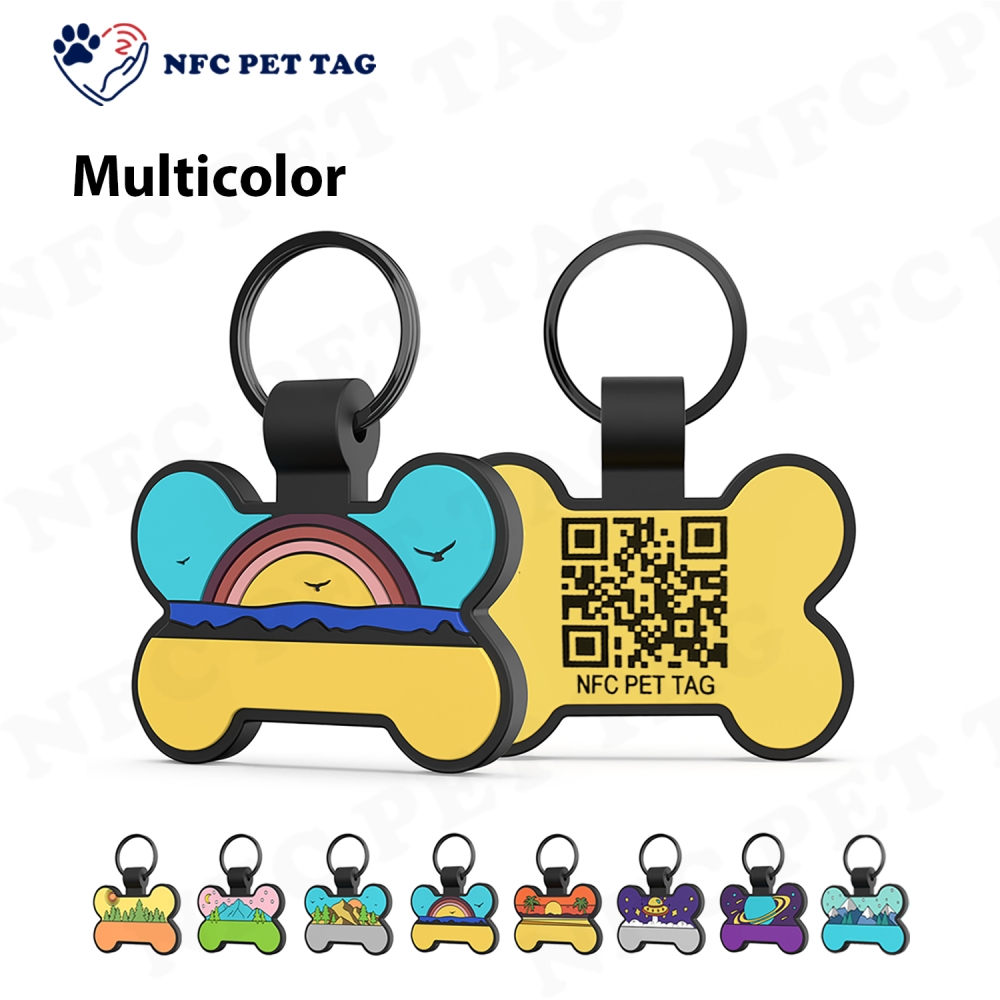
Customizable Silicone Pet Dog Tag New Mute Bone NFC Dog Cat Tag Read More
-
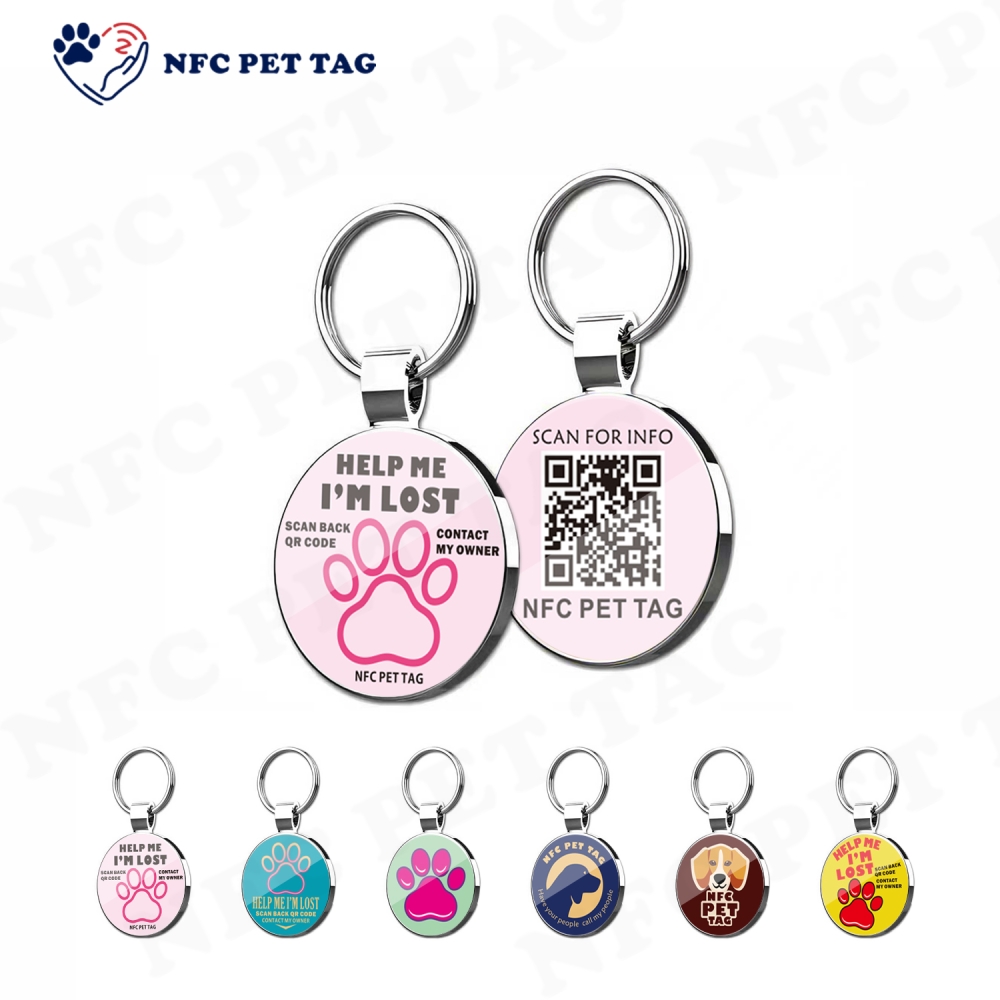
Scratch-Resistant Epoxy-Coated Metal NFC Zinc Alloy Pet Identification Tag Read More
-
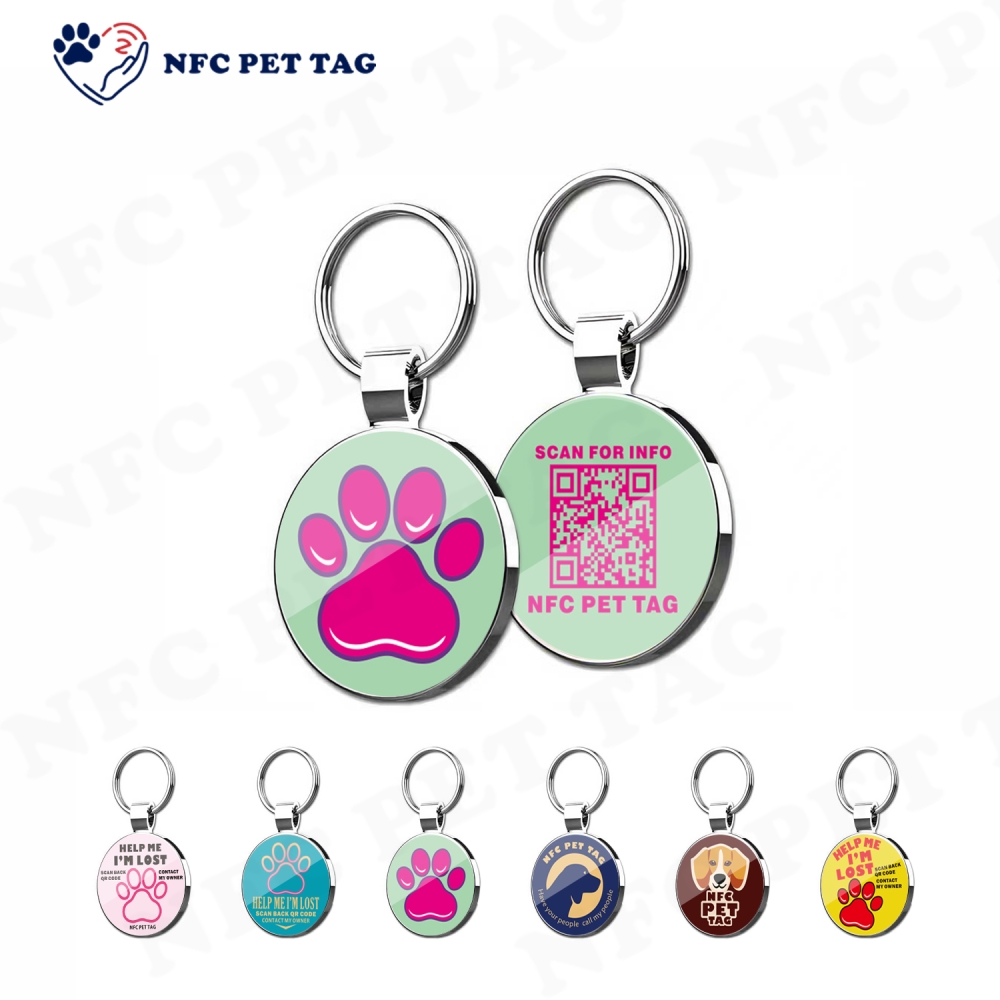
Multi-Functional Metal-Edged PVC Tag Pet Identification Hotel Room RFID Key Card Read More
-
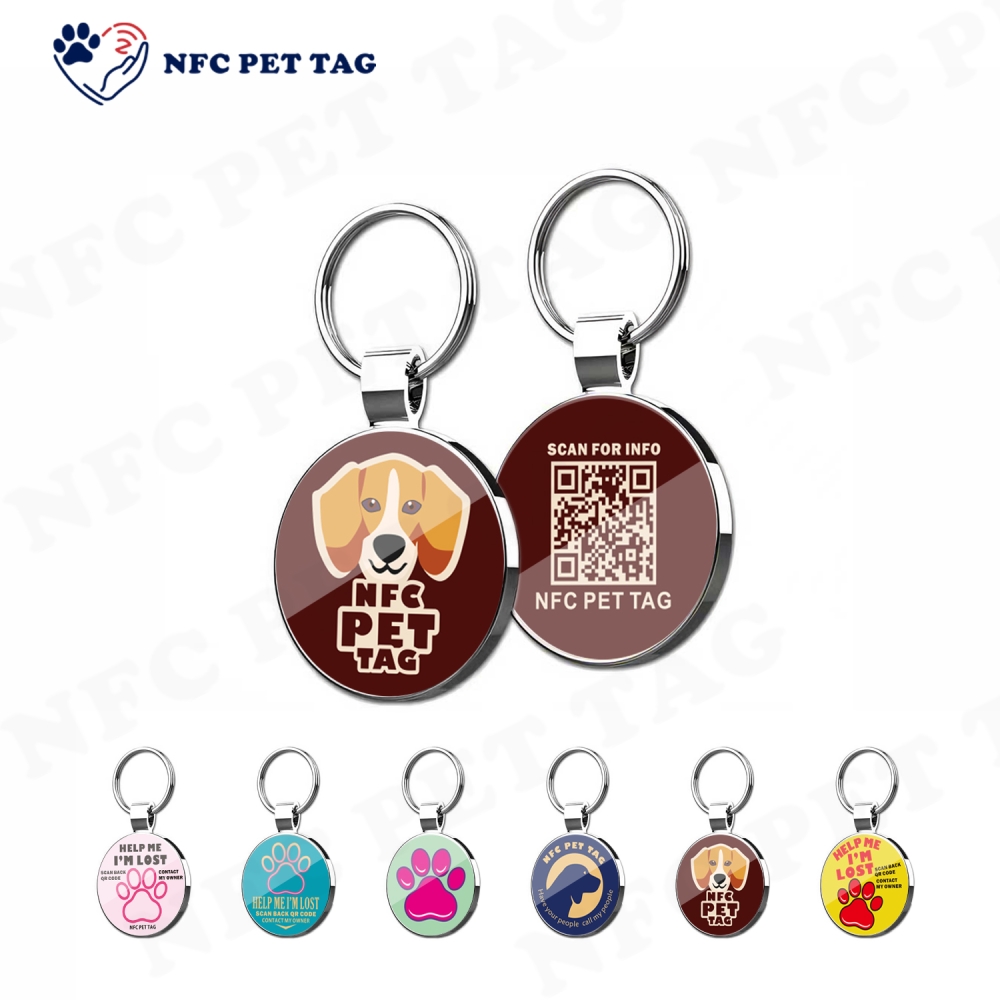
Encrypted NFC Hotel Access Key Card & Durable Metal Pet Collar ID Tag Read More
-
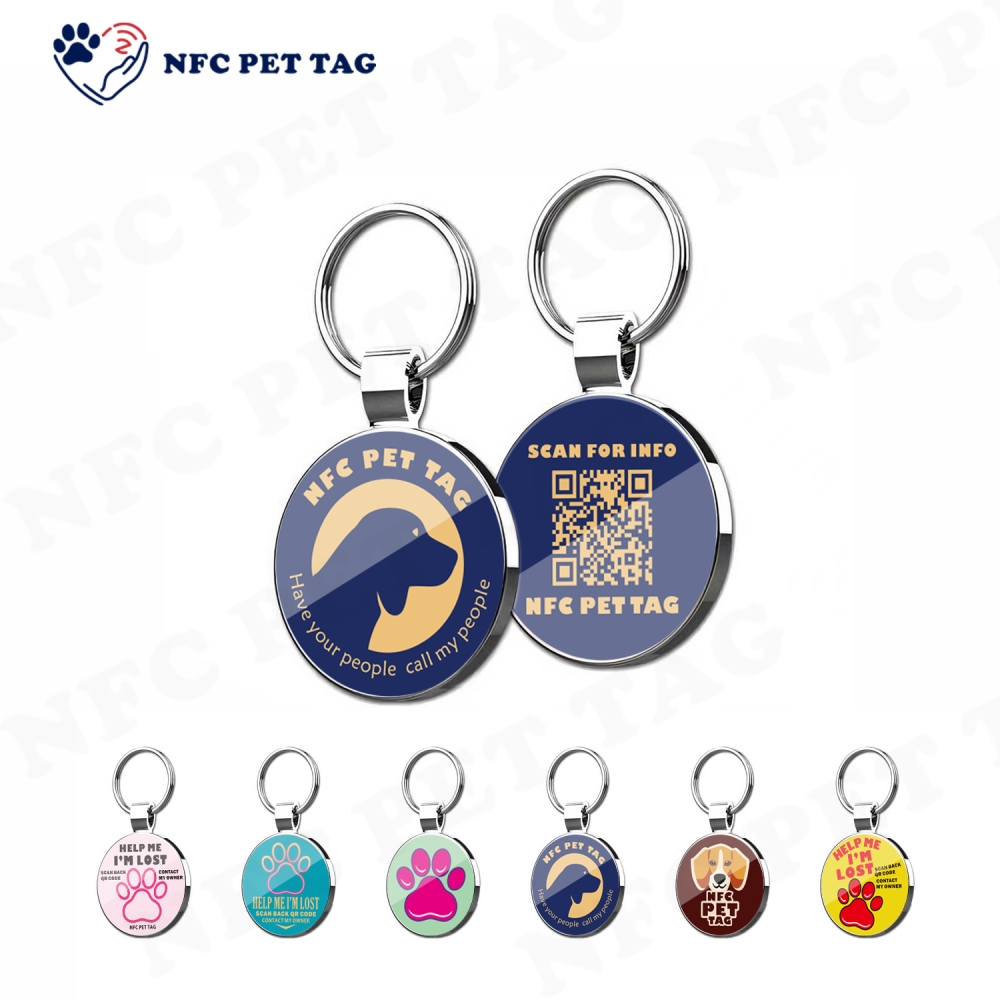
Security-First Encrypted NFC Hotel Key Card & Wear-Resistant Metal Pet Collar Tag Read More
-
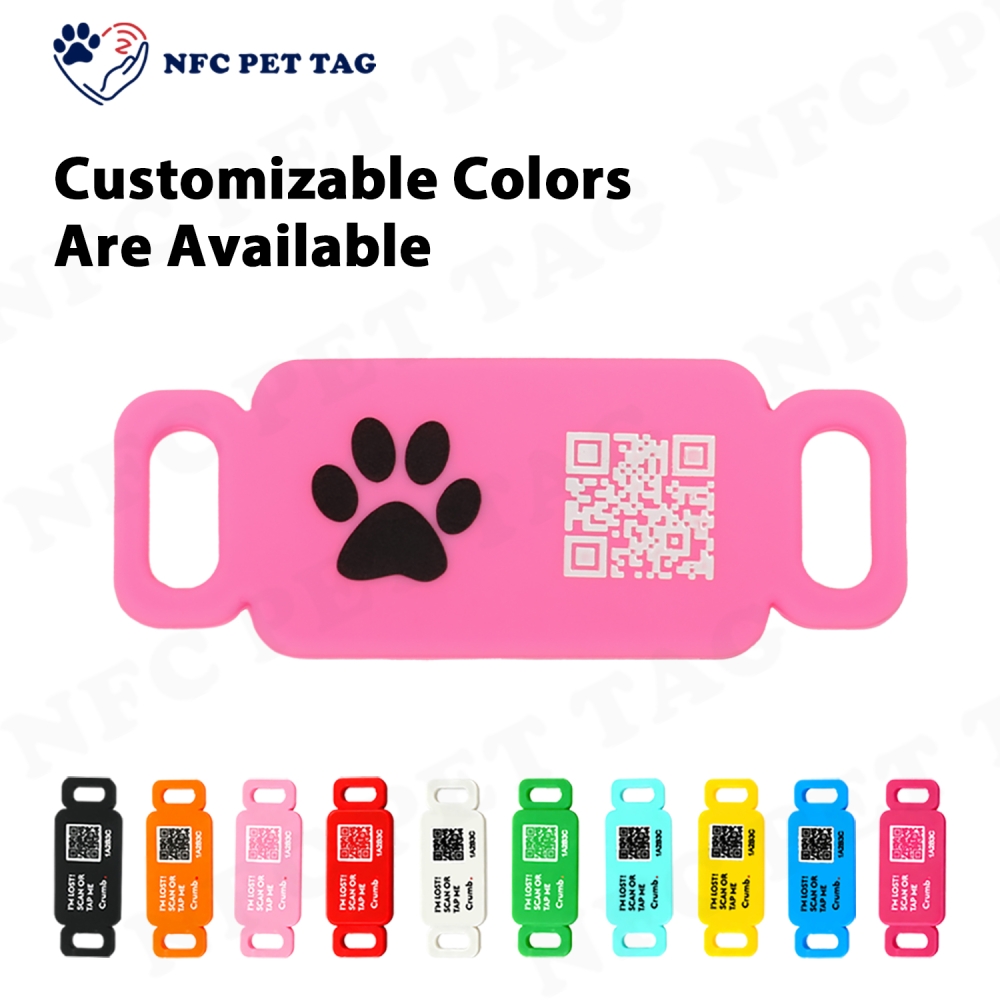
Customized Puppy Mini QR Pet Tag Wear-resistant Barcode NFC Dog Tag Read More
-
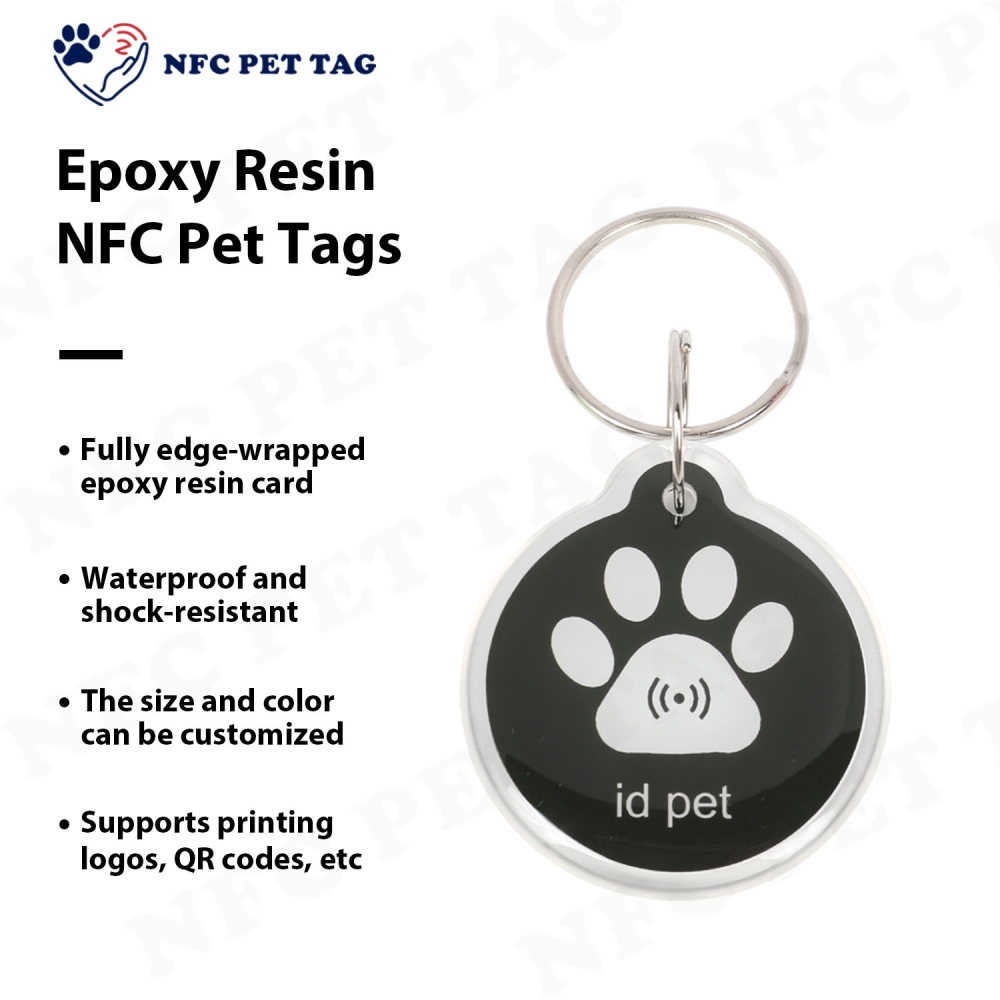
Custom Medical Alert Engraved Pet Safety Tag Durable RFID Epoxy Pet ID Tag Read More
-
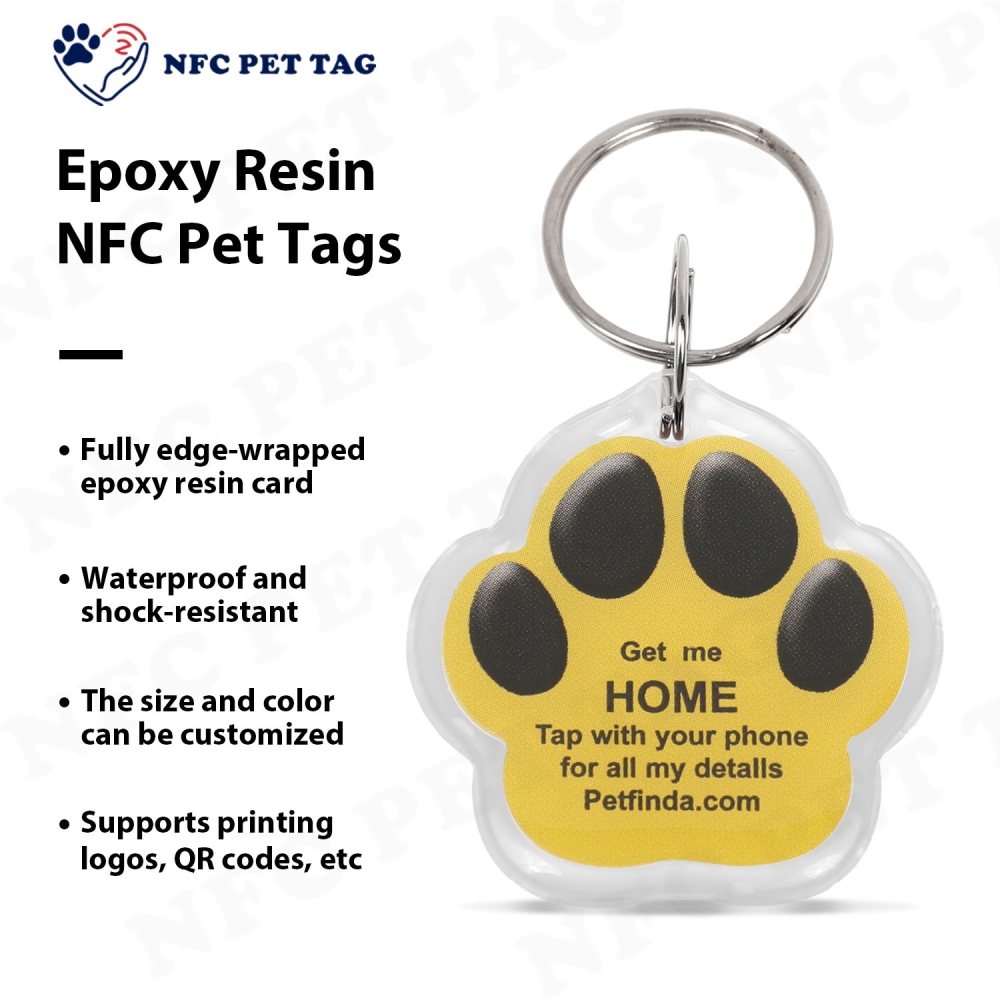
Waterproof Medical Alert Pet Safety Tag with Long-Lasting RFID Durable Epoxy Pet ID Tag Read More

