 英语站
英语站


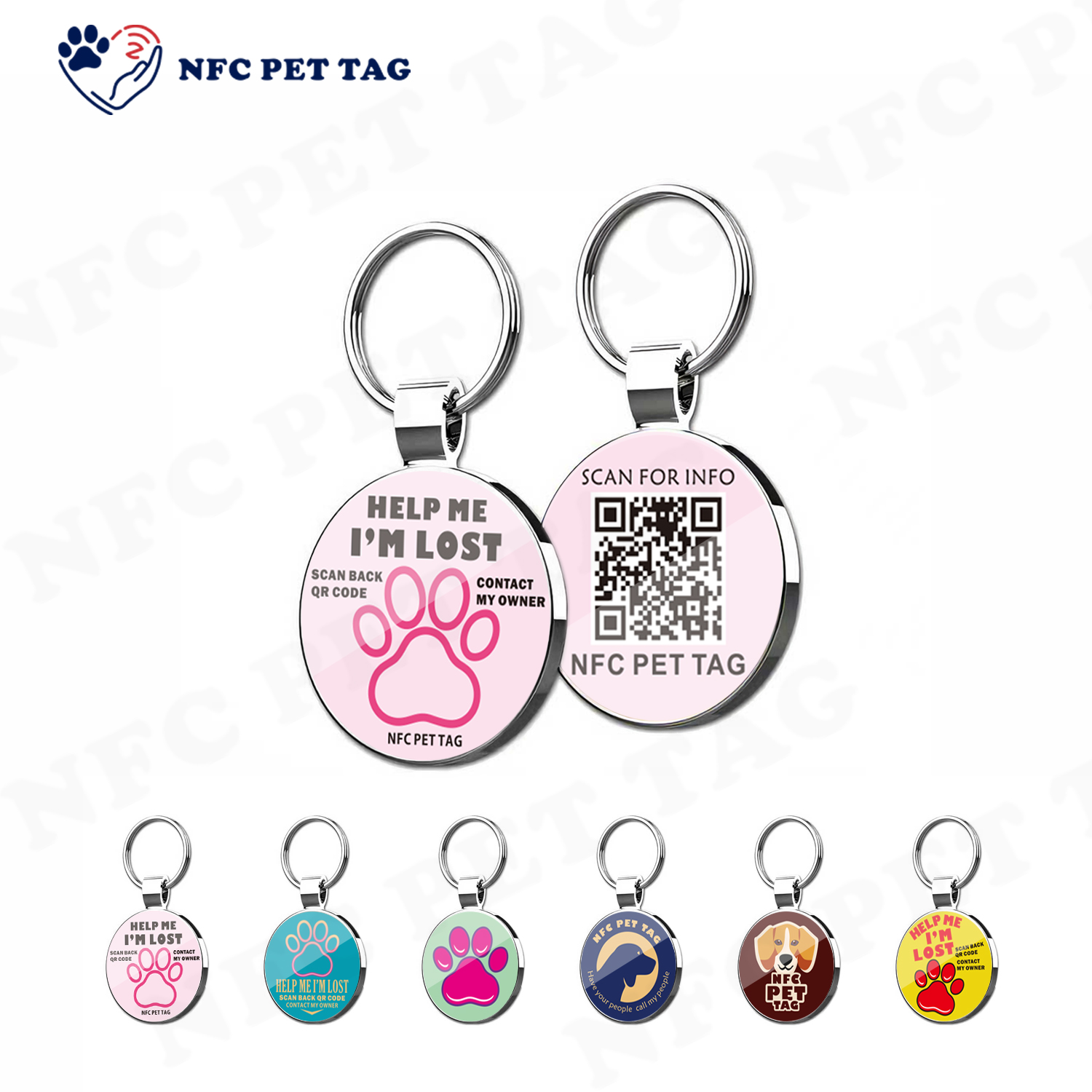
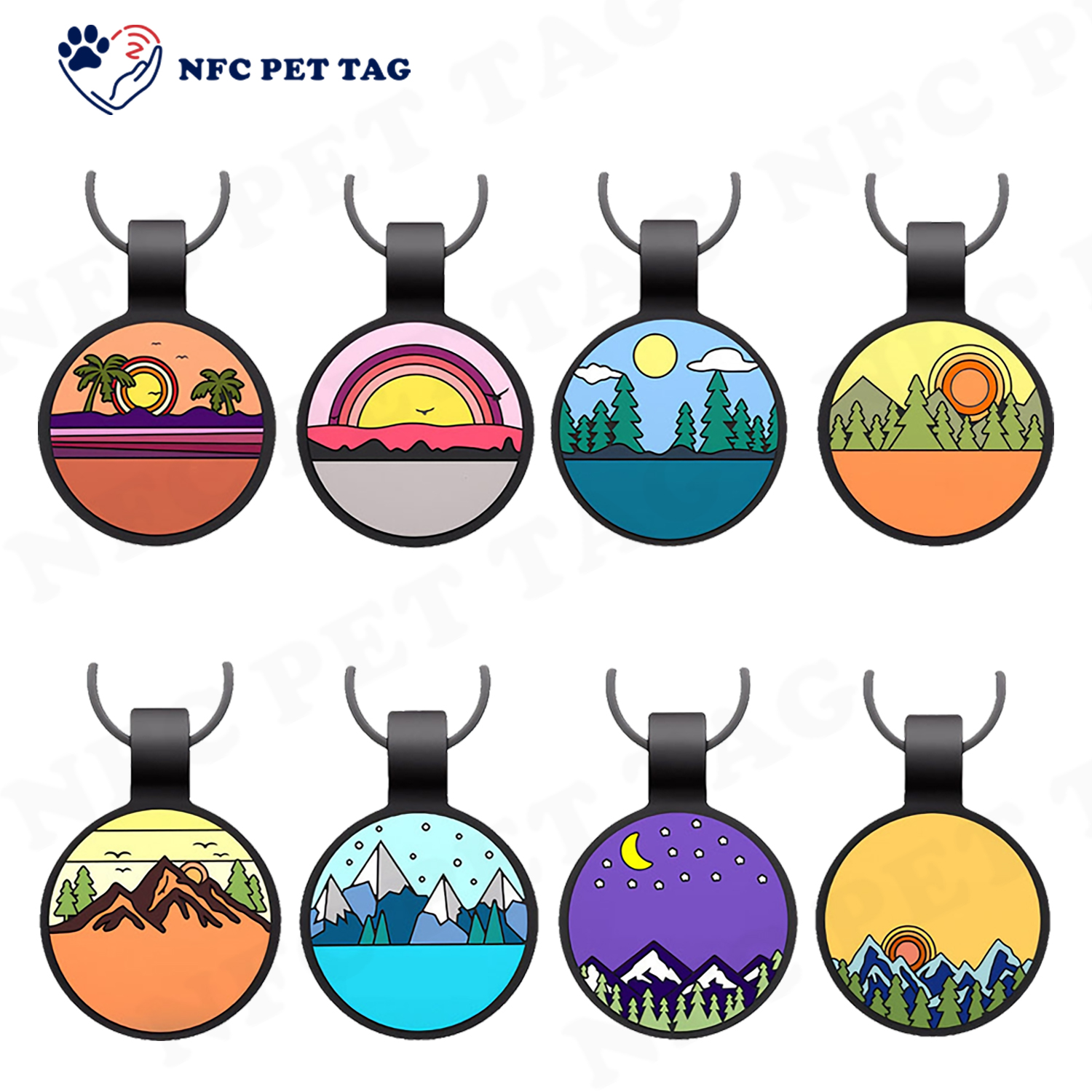
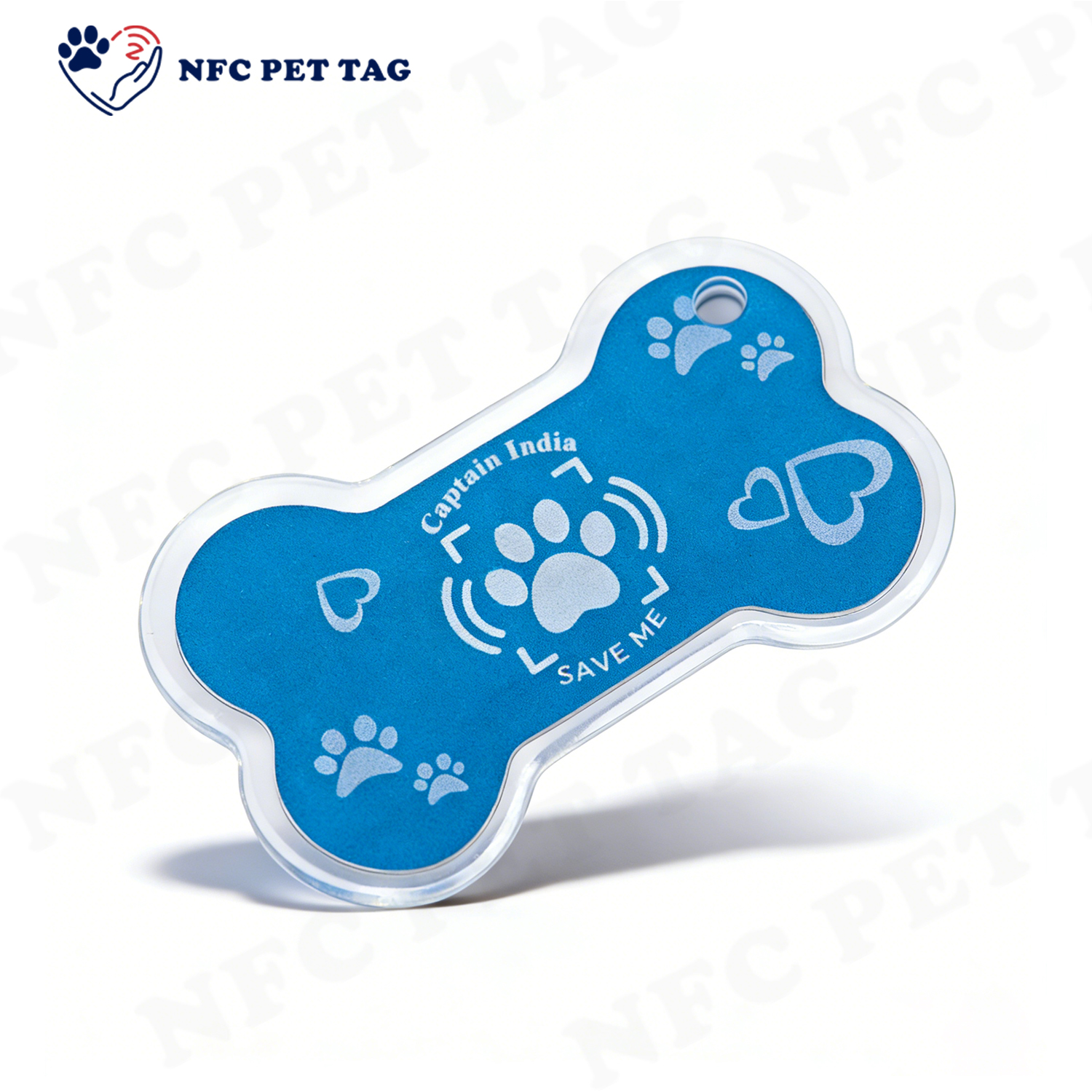
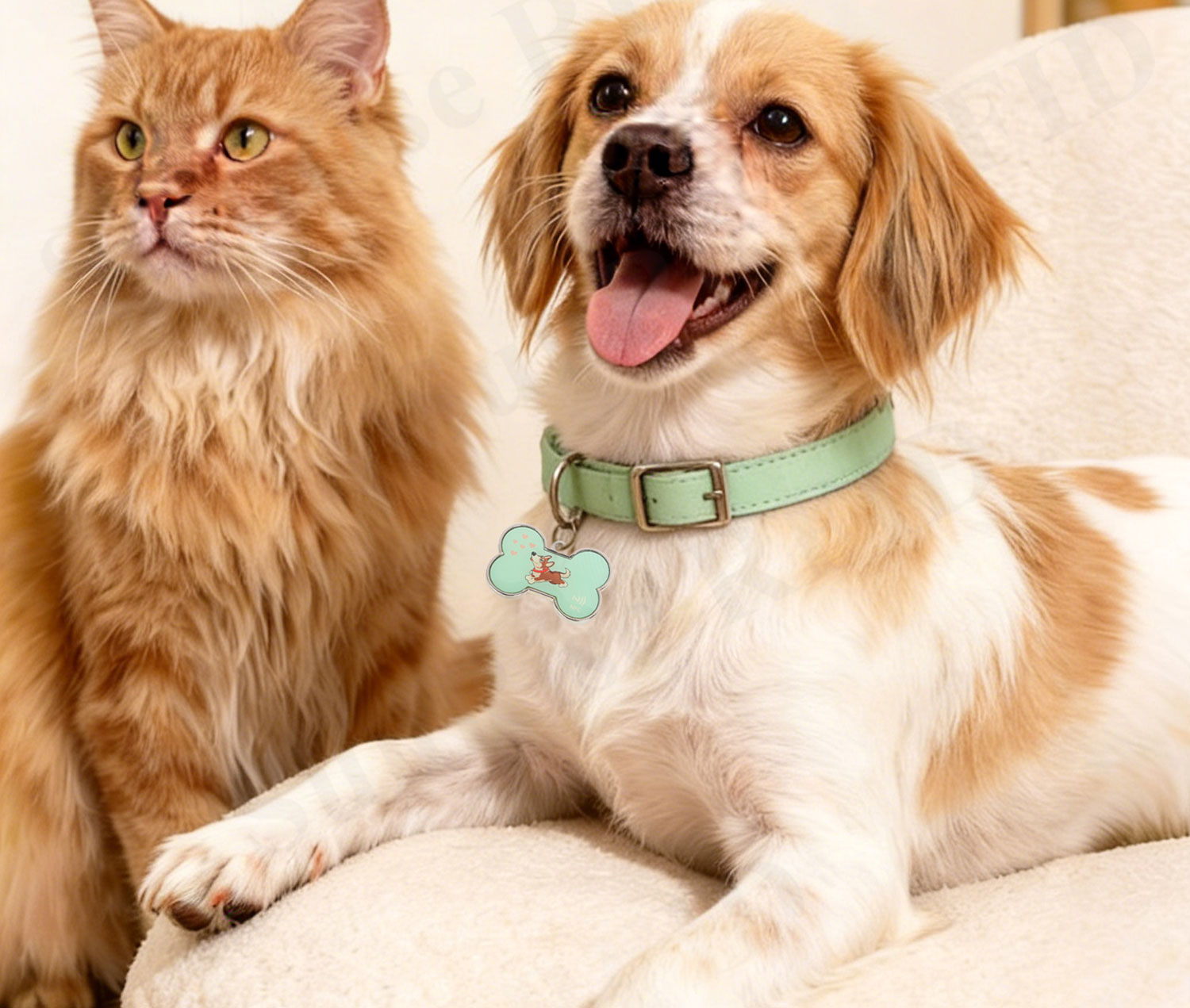
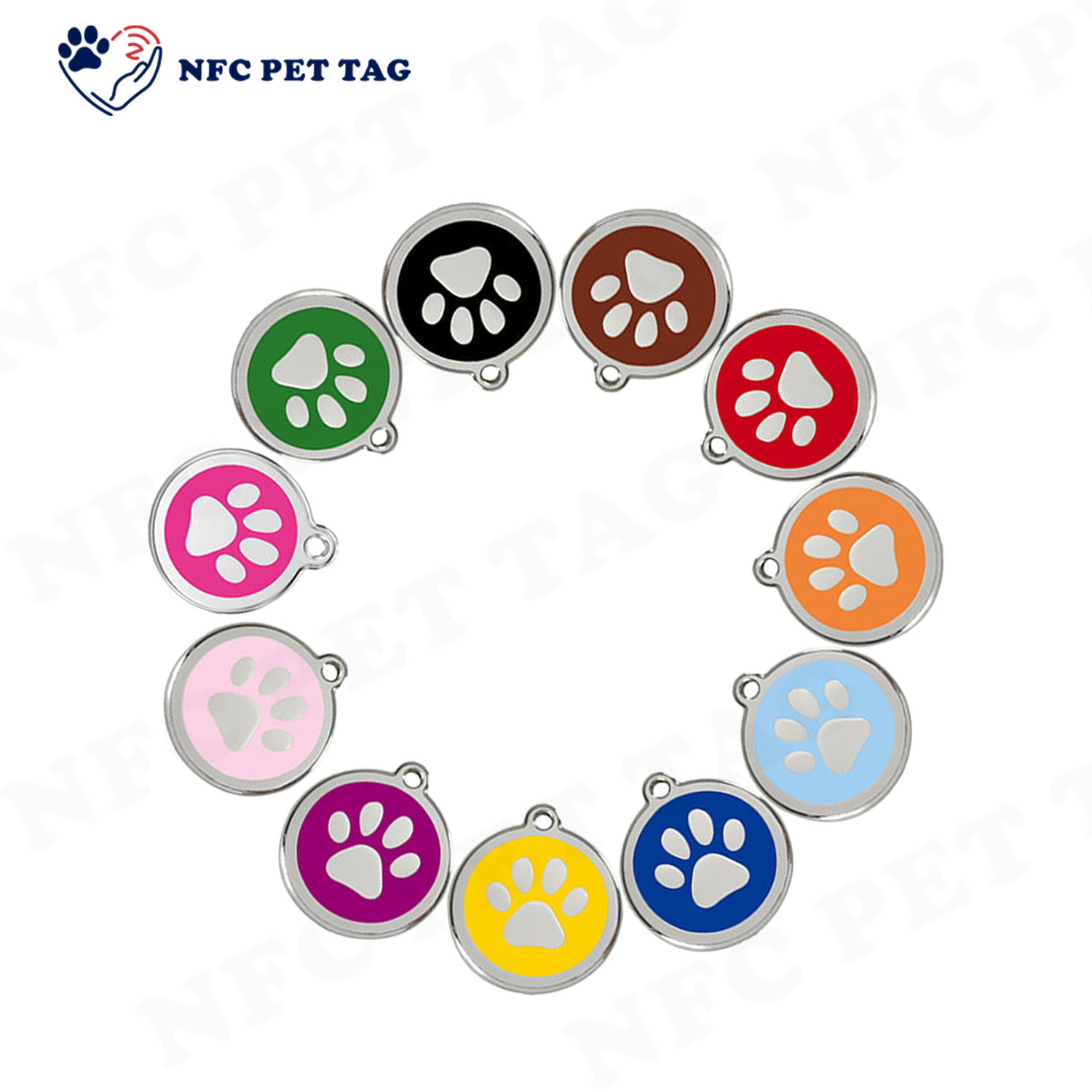
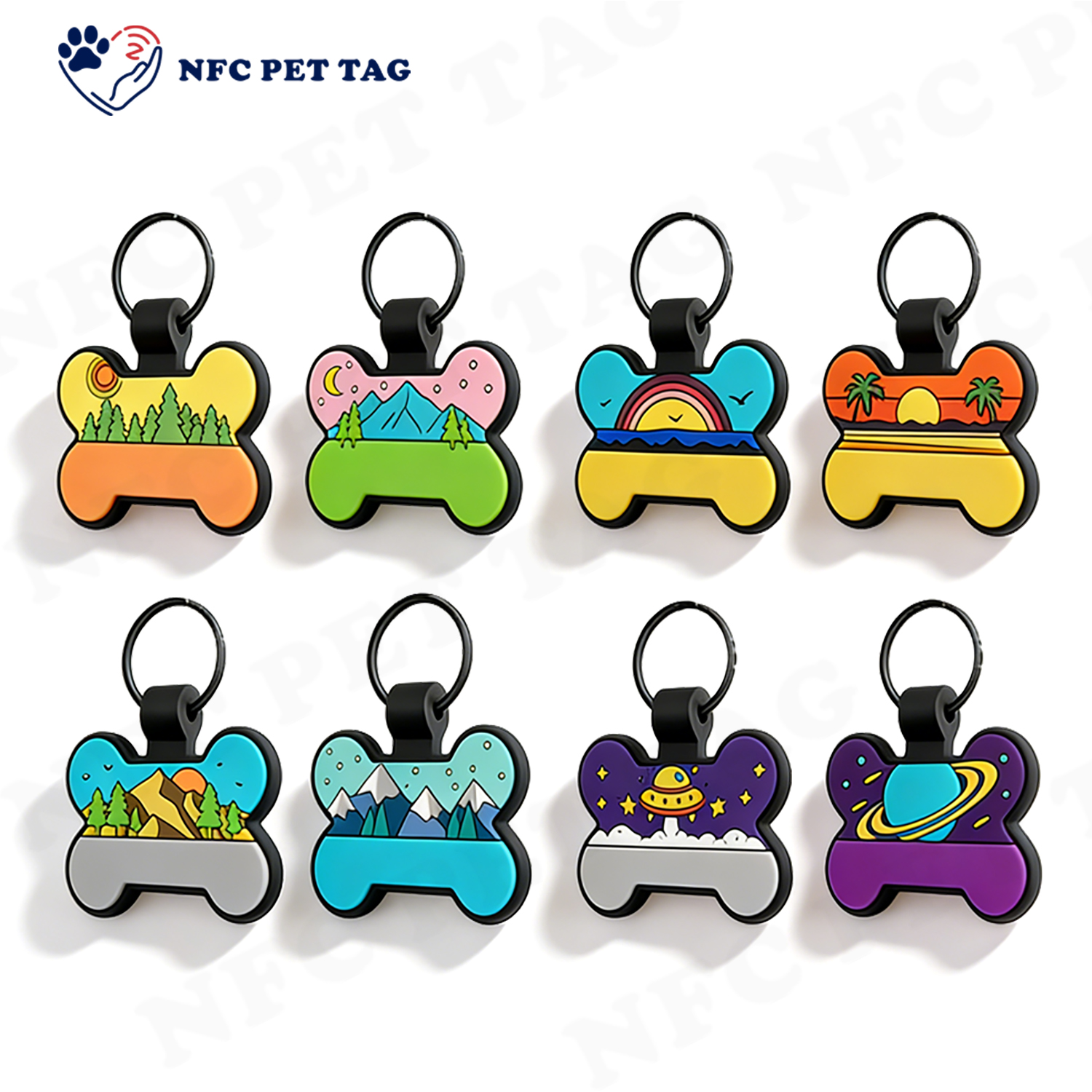
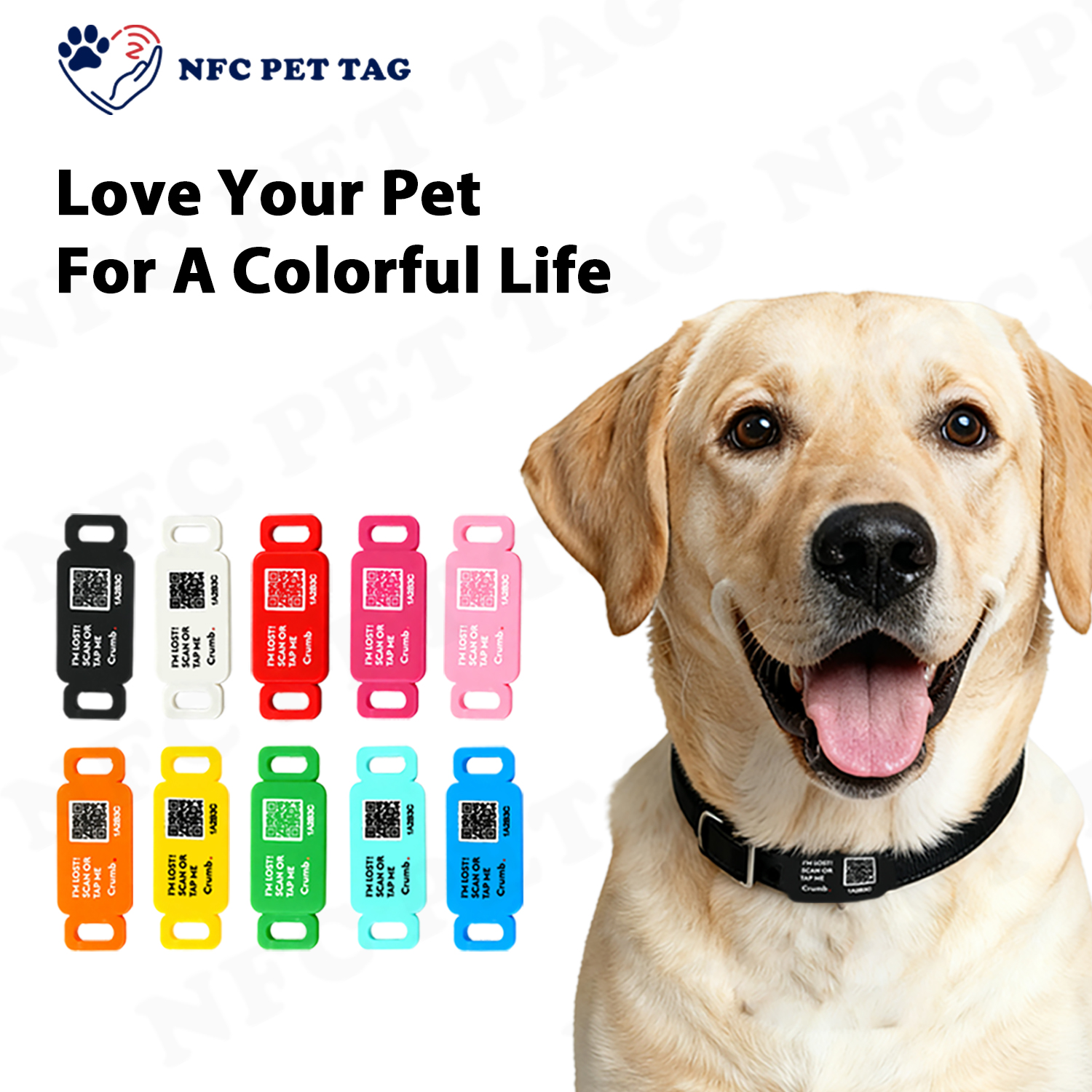
If you’ve heard fellow dog parents raving about NFC dog tags but scratched your head wondering, “What even is this tech, and how does it keep my pup safe?”—you’re not alone. With so many pet safety gadgets on the market, it’s easy to feel overwhelmed by jargon and complicated features. But here’s the good news: NFC dog tags are surprisingly simple to understand and use. In this guide, we’ll break down exactly how an NFC dog tag works, step by step—no tech degree required. By the end, you’ll know why this tiny device is a game-changer for your dog’s safety.
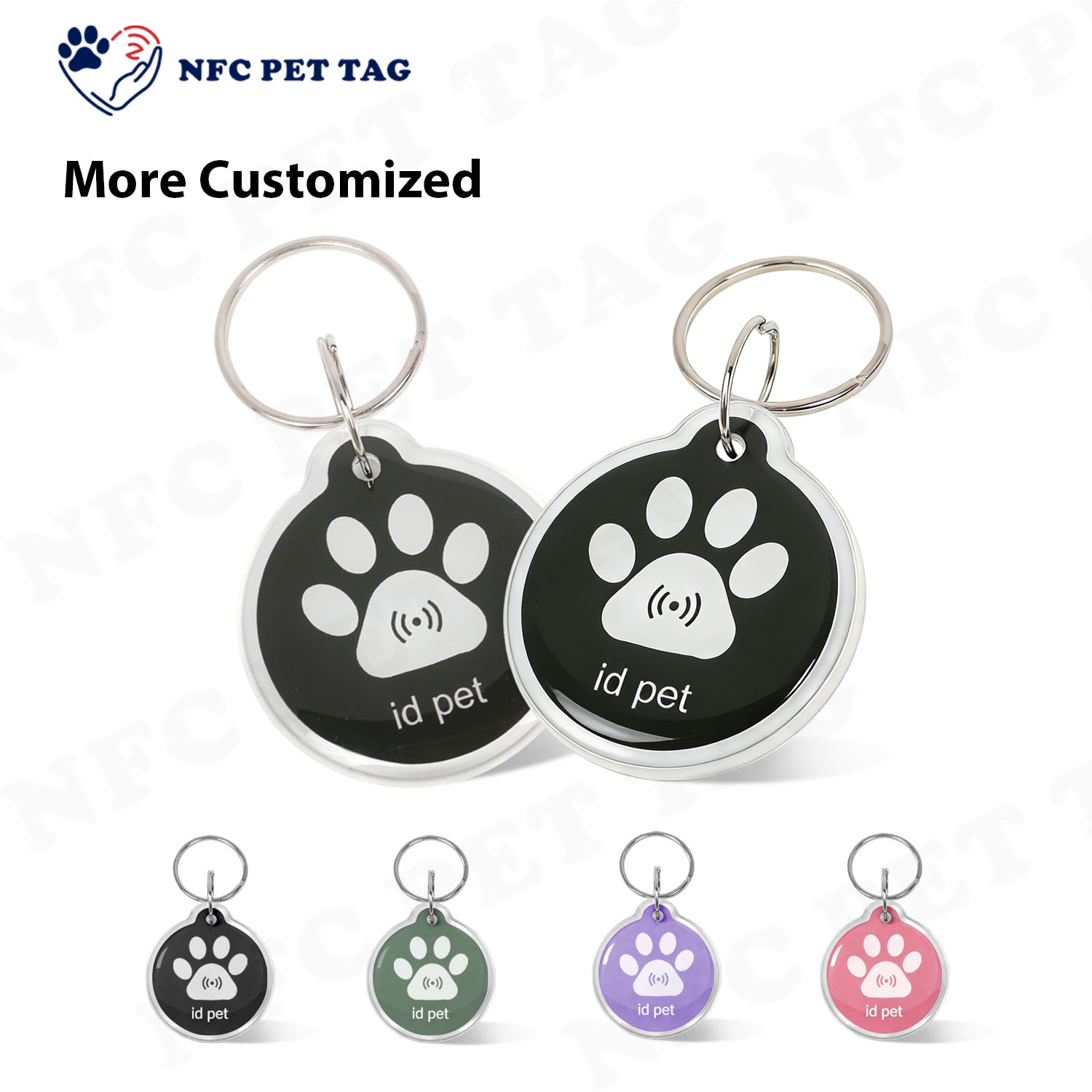
First: Let’s Demystify NFC (It’s Not as Scary as It Sounds!)
Unlike Bluetooth (which works over long distances) or Wi-Fi (which needs a network), NFC is low-power, short-range, and ultra-simple. It doesn’t require pairing devices, downloading apps, or remembering passwords. For pet tags, this simplicity is key—because when your dog goes missing, you want anyone who finds them to be able to access your info in seconds, no fuss.
The Core Components of an NFC Dog Tag (What Makes It Tick?)
NFC Chip: This is the “brain” of the tag. It’s a tiny, passive chip (meaning it has no battery!) that stores your pre-loaded information—like your name, phone number, your dog’s medical details, and vet info. The chip is programmed once (or updated remotely, if you choose a tag with that feature) and holds onto the data indefinitely.
Antenna: Wrapped around the chip (usually hidden inside the tag’s casing) is a small antenna. Its job is to pick up the radio frequency signal from a smartphone’s NFC reader. When the phone gets close enough, the antenna “harvests” power from the phone’s signal to activate the chip—no battery needed!
Durable Casing: The chip and antenna are encased in tough materials like stainless steel or polycarbonate plastic (waterproof, scratch-resistant, and chew-proof—perfect for dogs!). This casing protects the delicate tech inside from mud, water, scratches, and playful chews.
Pro tip: Because NFC tags are passive (no battery), they last forever—you’ll never have to worry about the tag dying when your dog needs it most. That’s a huge win over battery-powered gadgets that require constant charging or battery replacements!
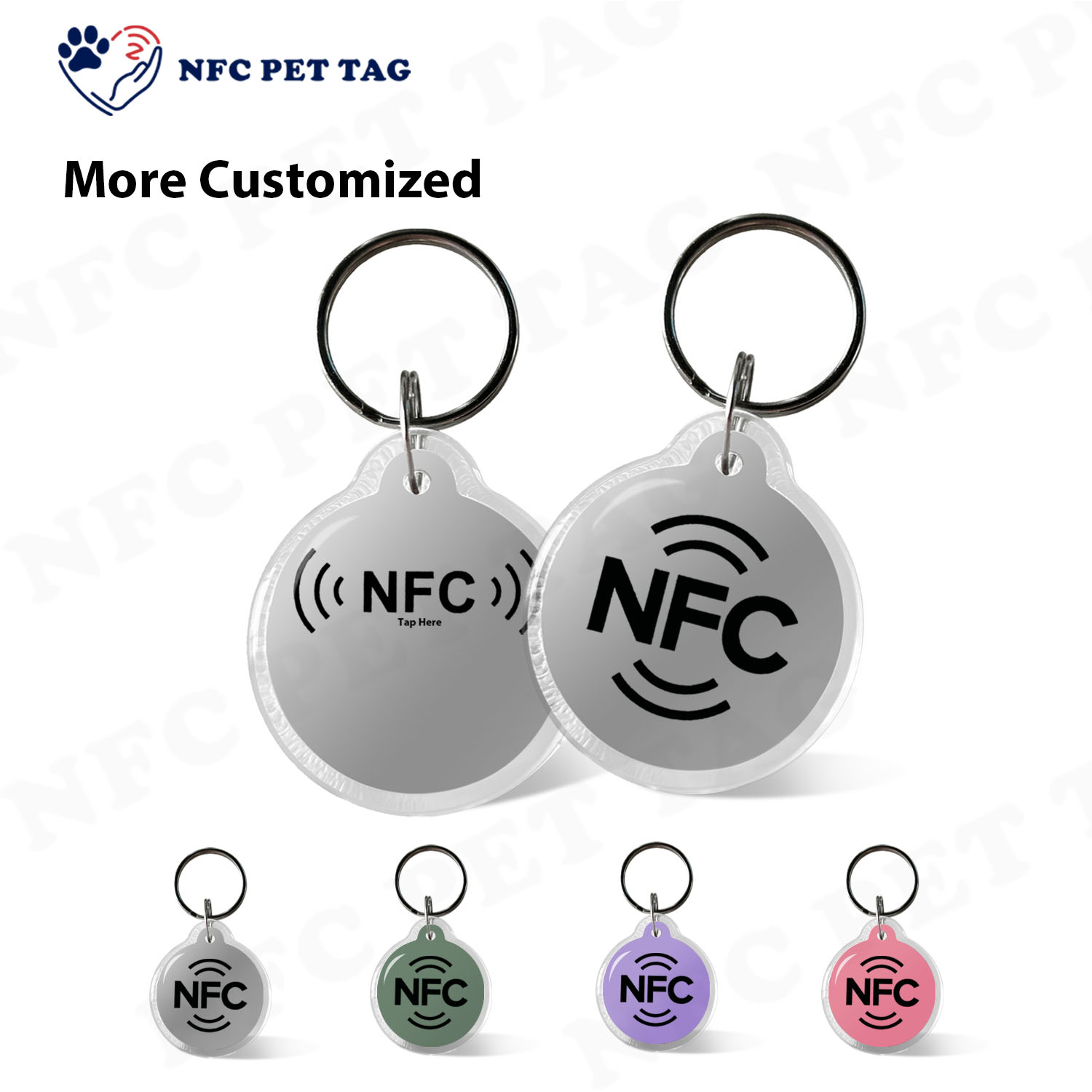
Step-by-Step: How an NFC Dog Tag Works When It Matters Most
Step 1: You Program the Tag with Your Info
App-Based Setup: Download the brand’s free app (e.g., PetHub, GoTags) on your smartphone. Follow the prompts to create a profile for your dog—add your contact info (name, phone number, address), your dog’s details (name, breed, medical conditions), vet info, and emergency contacts. Then, tap your phone to the tag to “write” the profile to the chip. Done!
Web-Based Setup: Some tags come with a unique URL or QR code. Scan the QR code with your phone (or type the URL into a browser) to access a web portal. Create your dog’s profile there, then tap your phone to the tag to sync the info. No app needed!
If you choose a tag with remote update (a must-have feature!), you can edit the info later (e.g., if you move or change phone numbers) via the app or web portal—no need to buy a new tag. Just re-tap your phone to the tag to sync the updated details.
Step 2: Your Dog Wears the Tag (As Simple as That!)
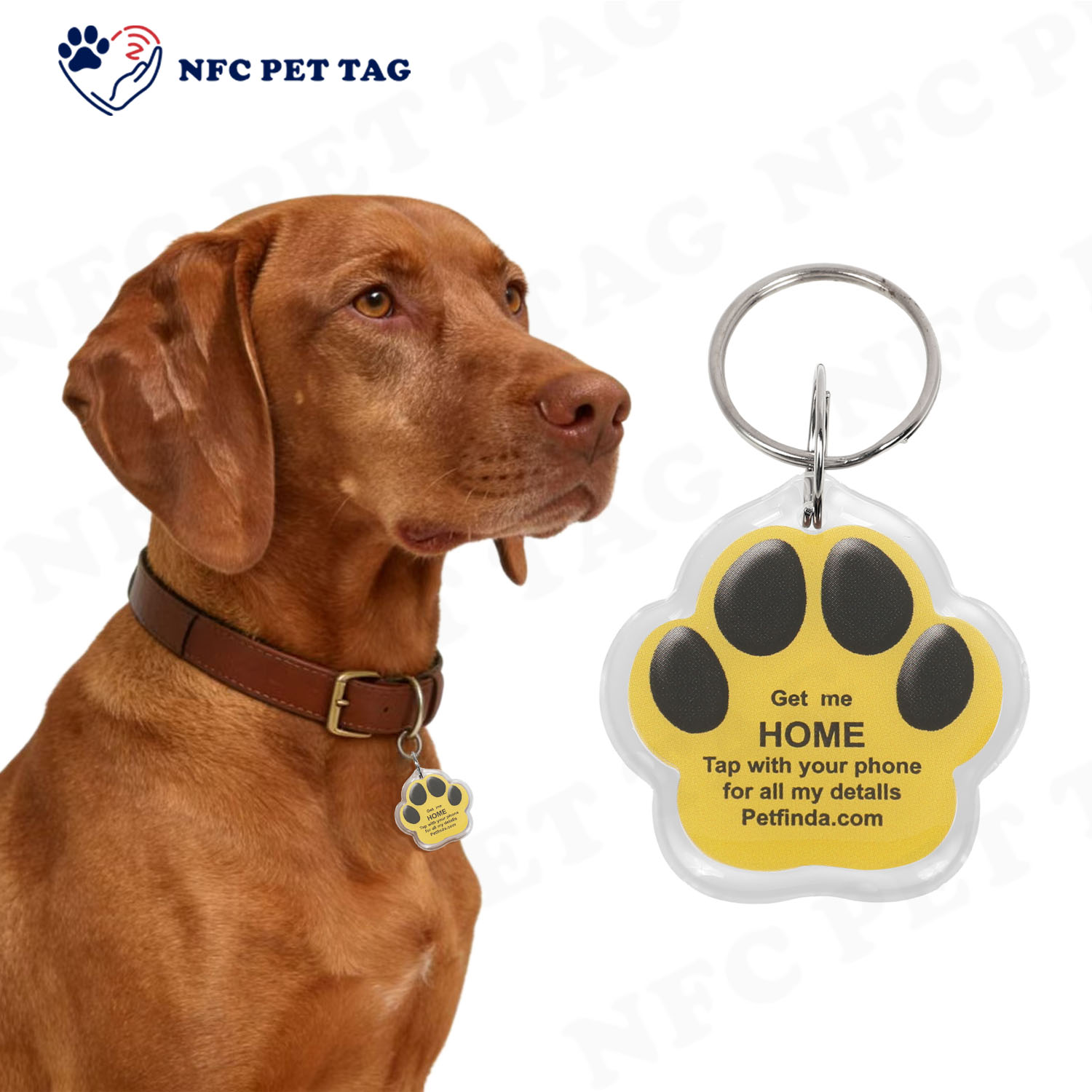
Attach the NFC tag to your dog’s collar using a secure split ring or quick-release clip (most tags come with these). That’s it—your dog is now wearing a silent, low-profile safety net. The tag is lightweight (under 10g for most sizes) so it won’t irritate your dog’s neck, even during long walks or playtime.
Step 3: A Good Samaritan Finds Your Lost Dog
The finder notices the NFC tag on your dog’s collar (many tags have a small “Tap Me!” or “NFC” logo to hint at how it works).
They take out their smartphone (most modern phones—iPhone 7+ or Android 4.4+—have NFC enabled by default). They don’t need to download an app, create an account, or do anything complicated.
They hold their phone up to the tag (within 1-2 inches) for 1-2 seconds. That’s it—no scanning, no typing.
A web page opens automatically on their phone, showing your dog’s profile: your name, phone number, and any other info you added (e.g., “This dog has diabetes—call the vet if they seem unwell”).
The finder gives you a call, texts you, or brings your dog to your address (if you included it). Some tags even let the finder send you a GPS location of where they found your dog—game-changing for rural areas or large parks!
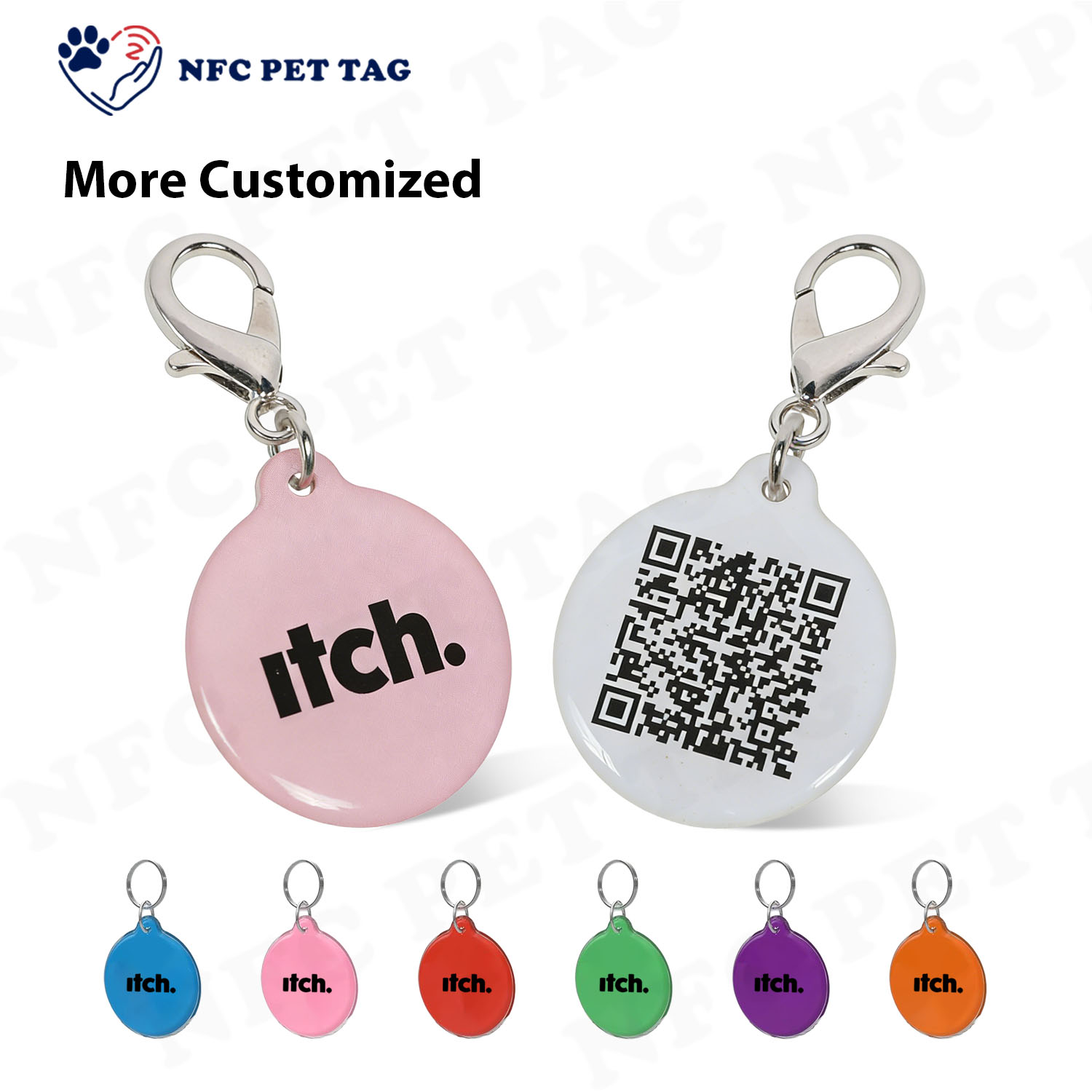
Common Myths About NFC Dog Tags (Busted!)
There are a few misconceptions about NFC dog tags that stop pet parents from trying them. Let’s debunk the most common ones:
Myth 1: “You Need a Special Phone to Use It.”
Busted! Over 90% of modern smartphones have NFC built-in. For iPhones: iPhone 7 and newer (NFC is enabled by default—no settings to change). For Androids: Most phones running Android 4.4 (KitKat) or newer (go to Settings > Connected Devices > NFC to enable it if it’s off). Even if the finder has an older phone, most NFC tags also come with a backup QR code (scan it with any phone’s camera) to access your info.
Myth 2: “It’s Complicated for Older or Tech-Shy Finders.”
Busted! The process is simpler than using a QR code. There’s no need to open a camera app or align the phone perfectly—just tap and go. Most finders will intuitively tap their phone to the tag (thanks to years of using tap-to-pay). If they’re confused, the tag’s “Tap Me!” logo or a small instruction sticker (many brands include these) will guide them.
Myth 3: “The Info Isn’t Secure—Anyone Can Access It.”
Busted! You control exactly what info is shared. Most tags let you choose between “public” and “private” info. Public info (your phone number, dog’s name) is accessible via tap—enough to reunite you with your pup. Private info (your home address, detailed medical records) can be hidden behind a PIN code—only you or someone you trust (like a vet) can access it with the PIN. Your info is never stored on the tag itself—it’s stored in a secure cloud database, so you can update or delete it anytime.
Why NFC Dog Tags Are Better Than Traditional Tags (or QR Codes!)
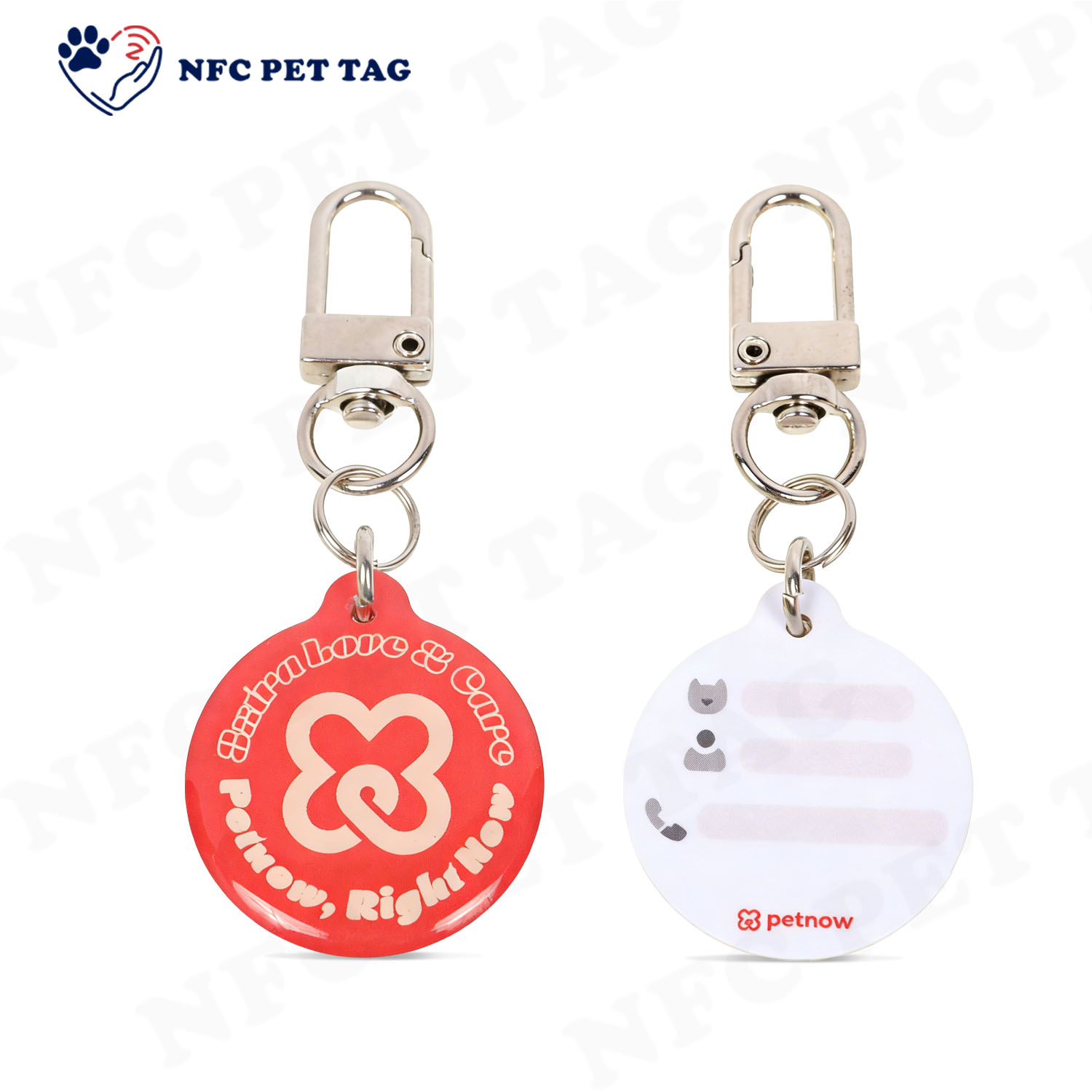
Traditional Metal Tags: Limited to 2-3 lines of tiny text (hard to read if faded/scratched). Easy to lose (split rings break!). Impossible to update (you need a new tag if you move). NFC tags fix all these issues—unlimited info, durable, updatable, and hard to lose.
QR Code Tags: Require opening a camera app and aligning the phone perfectly (tricky in low light or if the tag is dirty). NFC tags are faster (tap vs. scan) and more reliable (works even if the tag is smudged or scratched).
NFC tags aren’t meant to replace microchips (which are permanent and scannable by vets/shelters). They’re a complement—microchips are your long-term safety net, while NFC tags are your “on-the-spot” solution for everyday emergencies.
Final Thoughts: Simple Tech for Peace of Mind
Product List
New Products
-
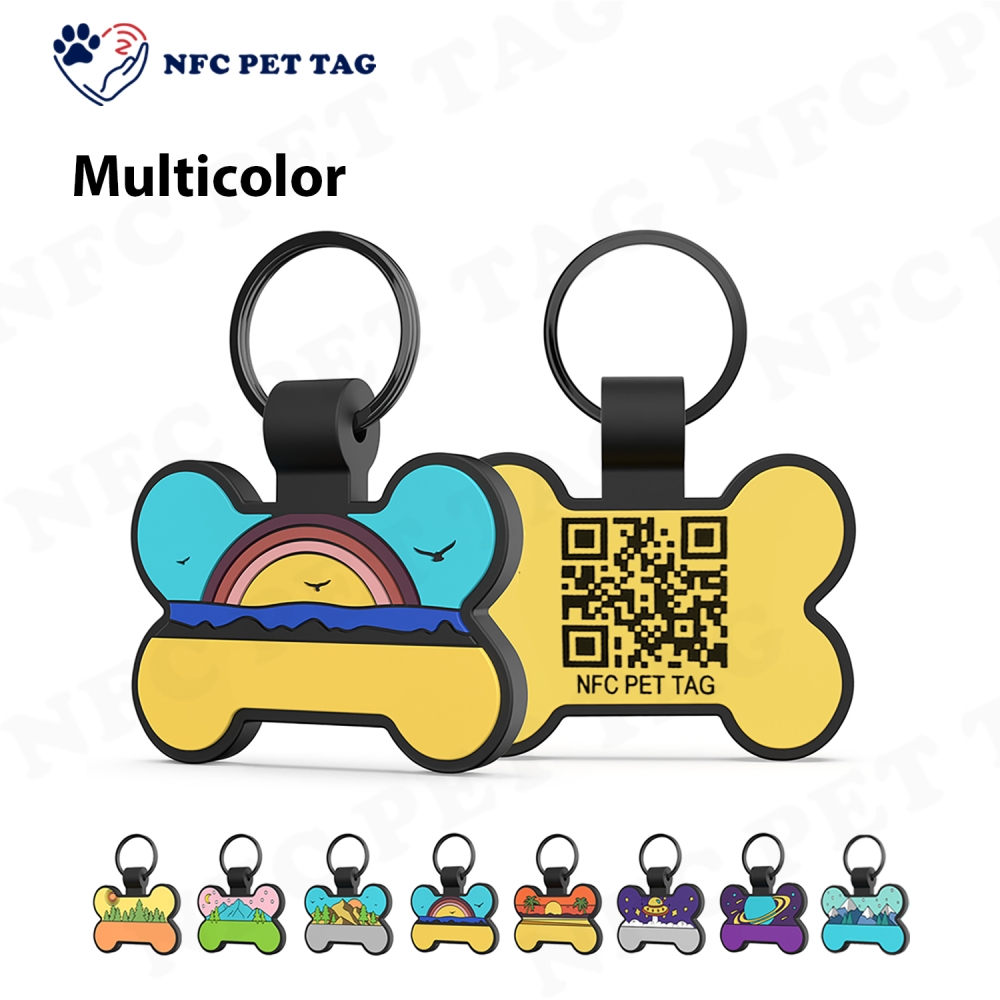
Customizable Silicone Pet Dog Tag New Mute Bone NFC Dog Cat Tag Read More
-
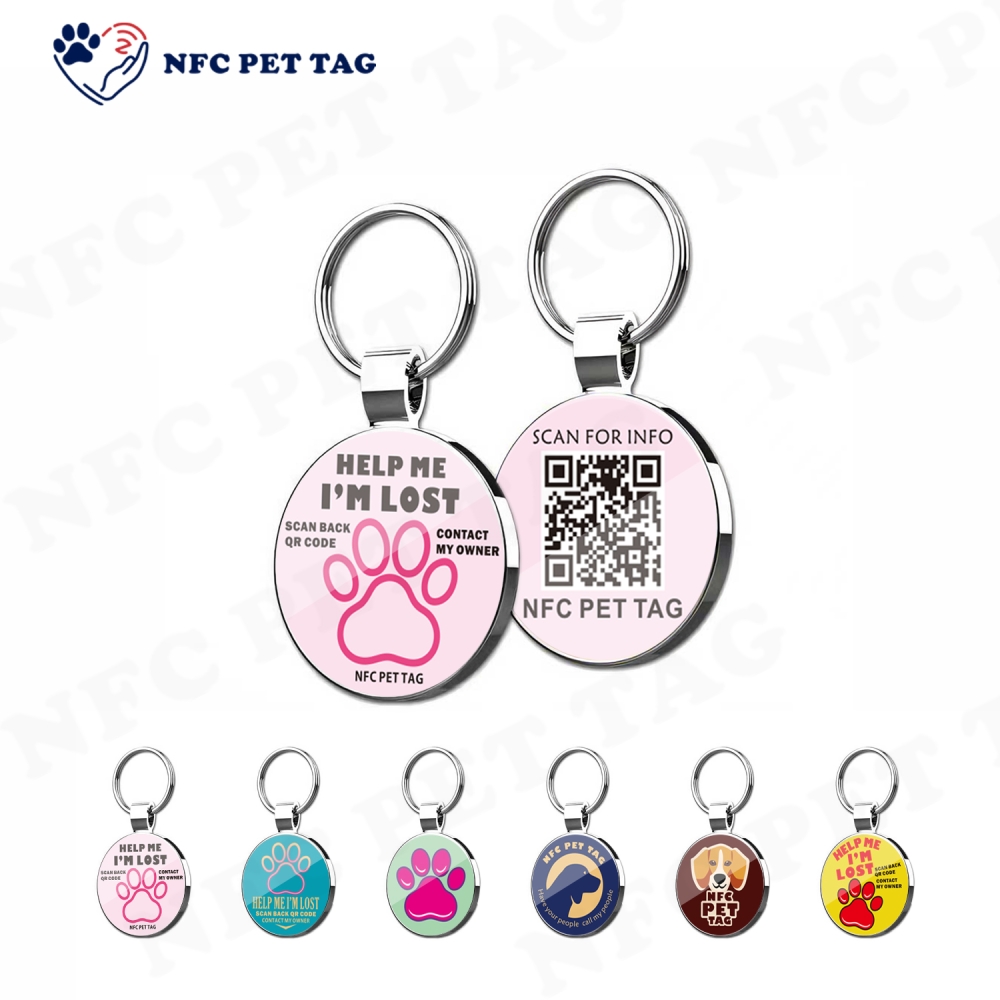
Scratch-Resistant Epoxy-Coated Metal NFC Zinc Alloy Pet Identification Tag Read More
-
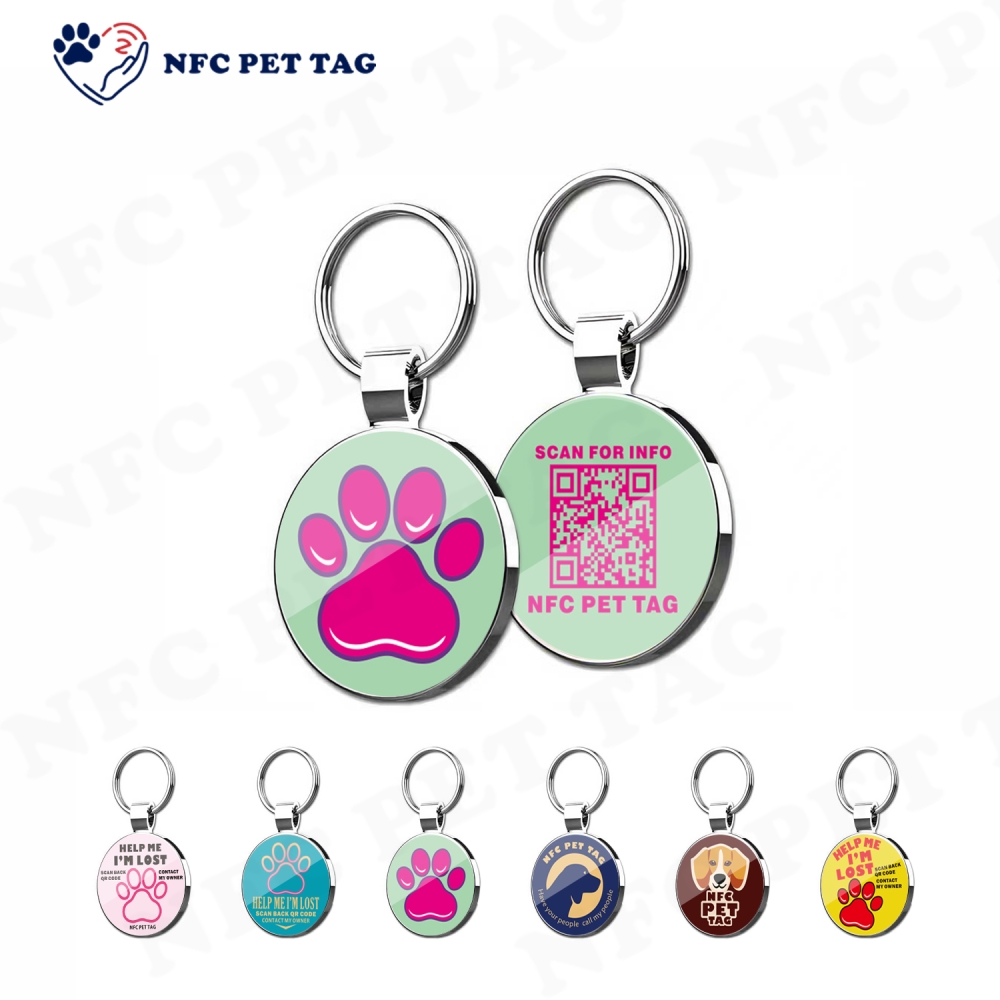
Multi-Functional Metal-Edged PVC Tag Pet Identification Hotel Room RFID Key Card Read More
-
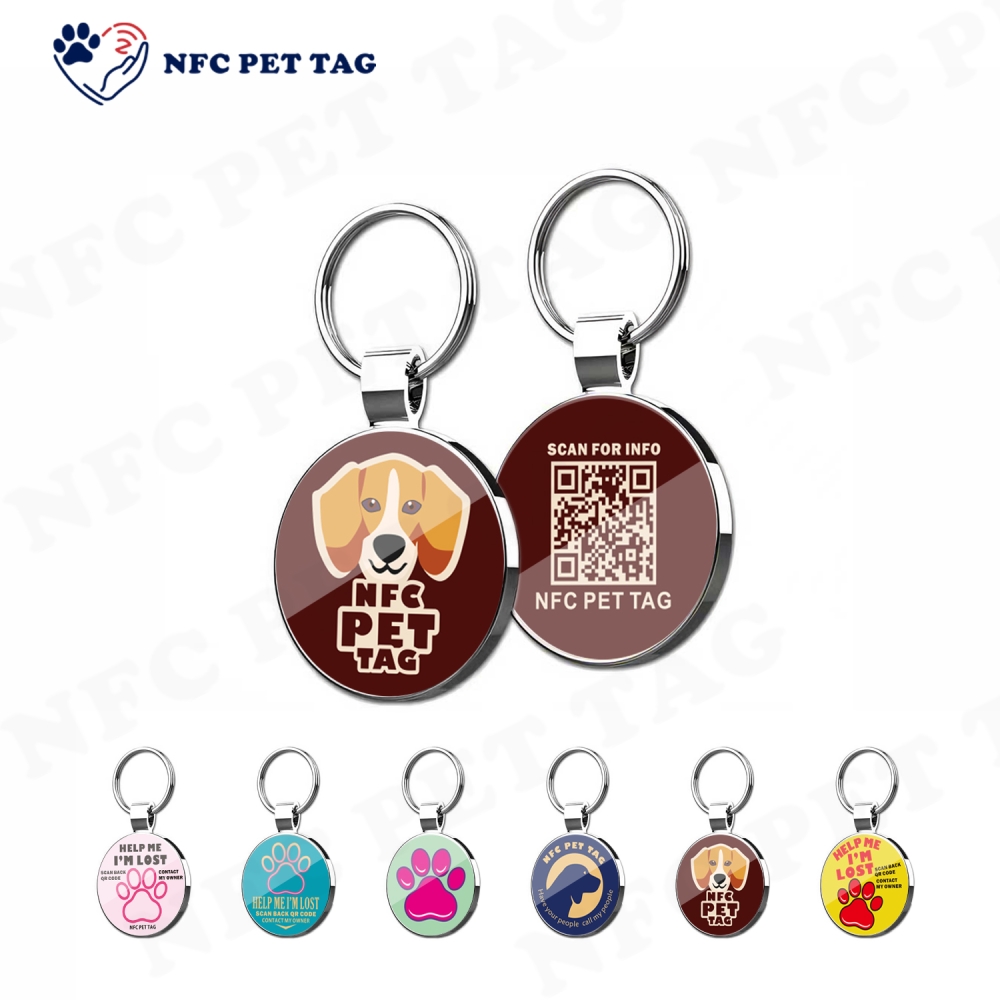
Encrypted NFC Hotel Access Key Card & Durable Metal Pet Collar ID Tag Read More
-
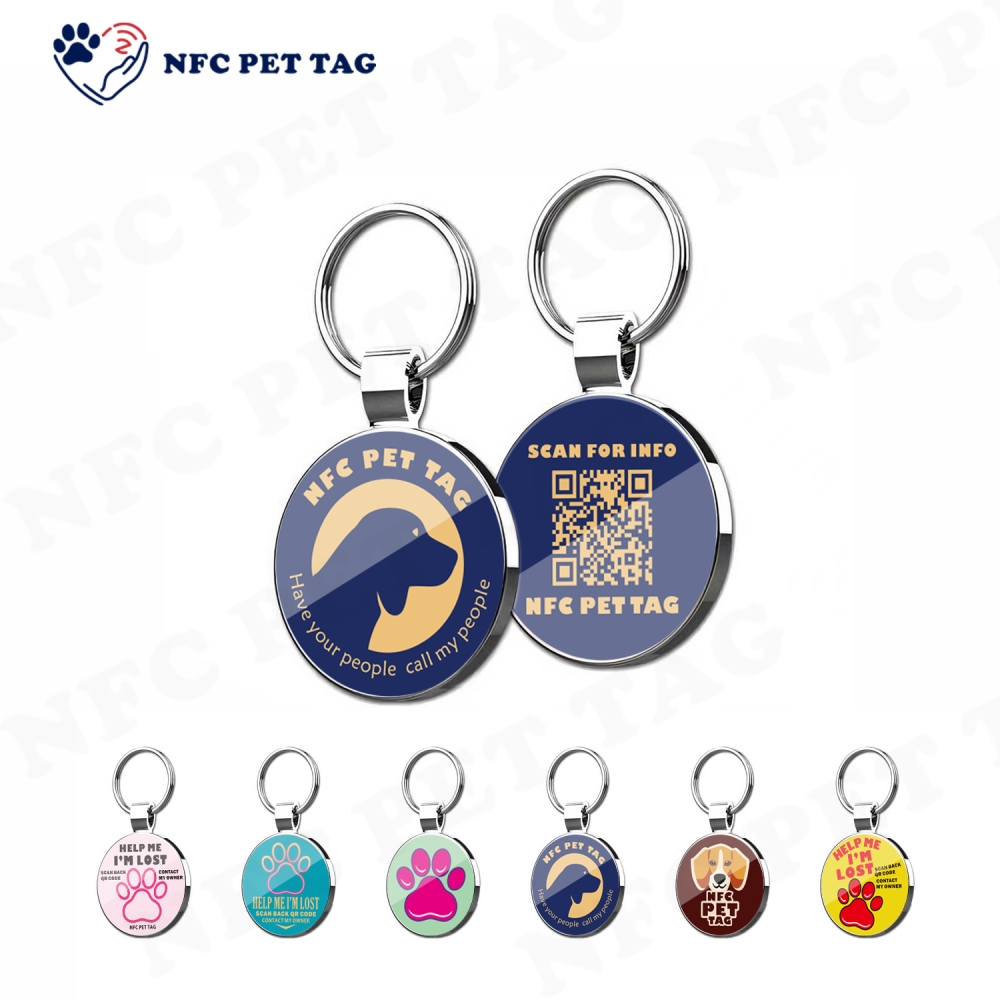
Security-First Encrypted NFC Hotel Key Card & Wear-Resistant Metal Pet Collar Tag Read More
-
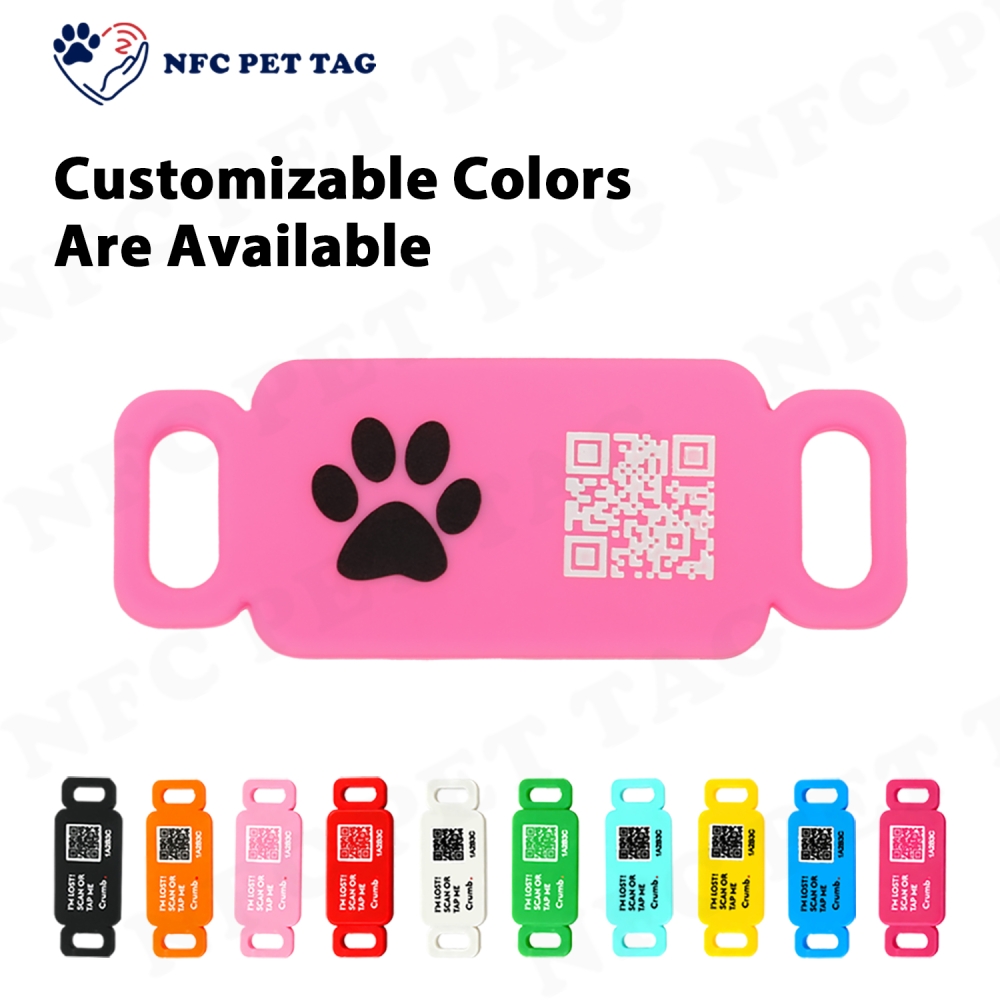
Customized Puppy Mini QR Pet Tag Wear-resistant Barcode NFC Dog Tag Read More
-
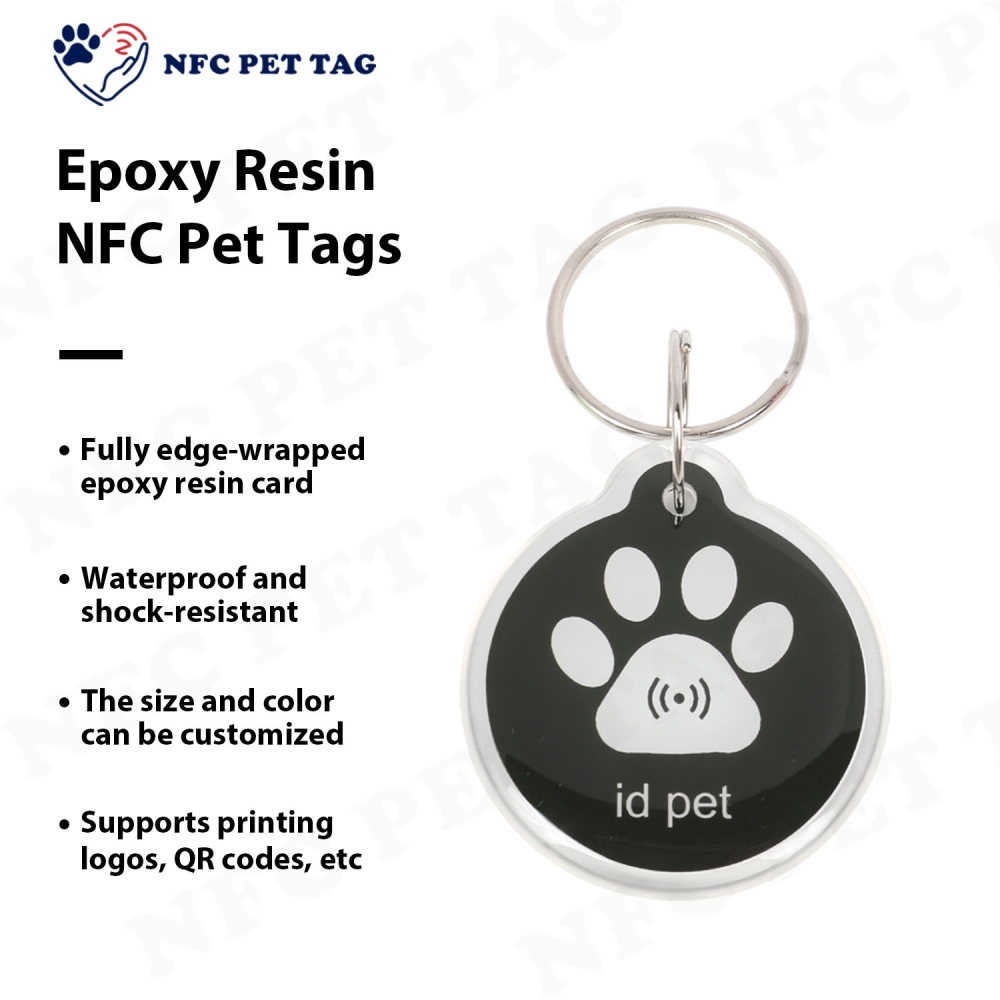
Custom Medical Alert Engraved Pet Safety Tag Durable RFID Epoxy Pet ID Tag Read More
-
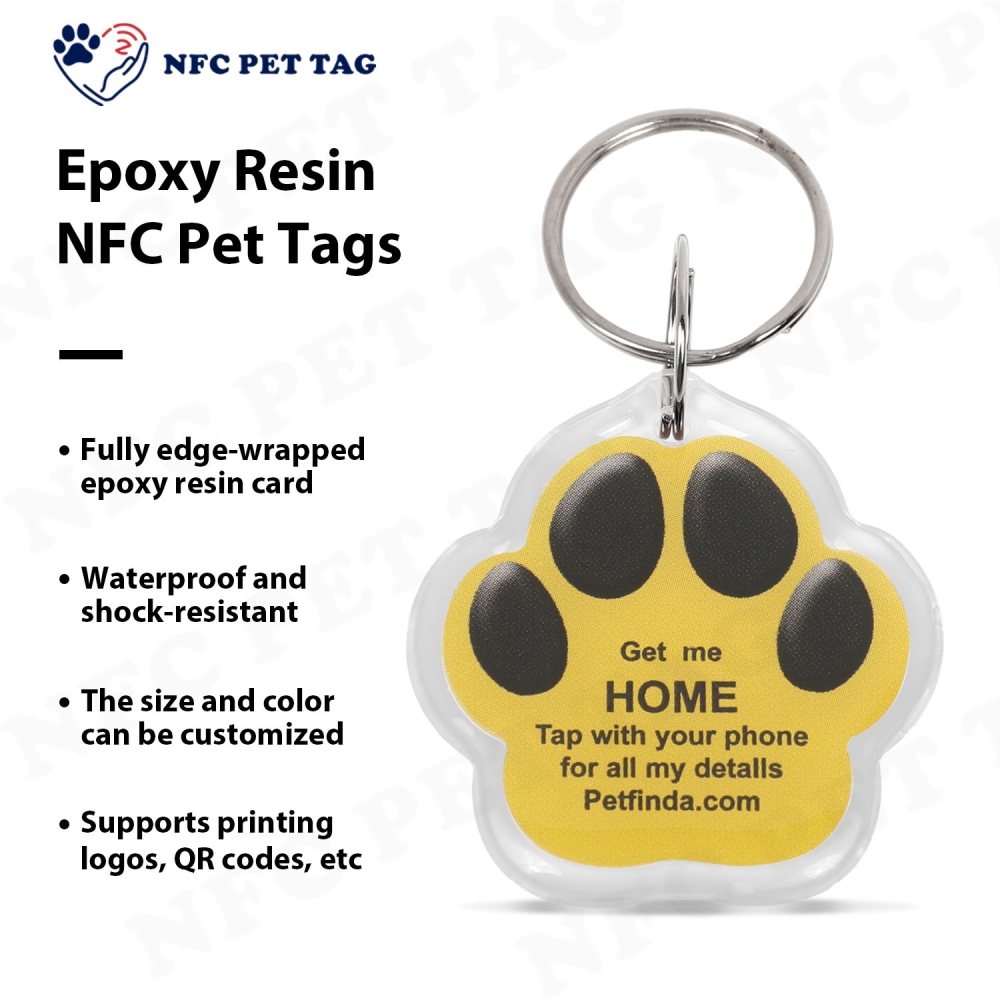
Waterproof Medical Alert Pet Safety Tag with Long-Lasting RFID Durable Epoxy Pet ID Tag Read More

