
 英语站
英语站


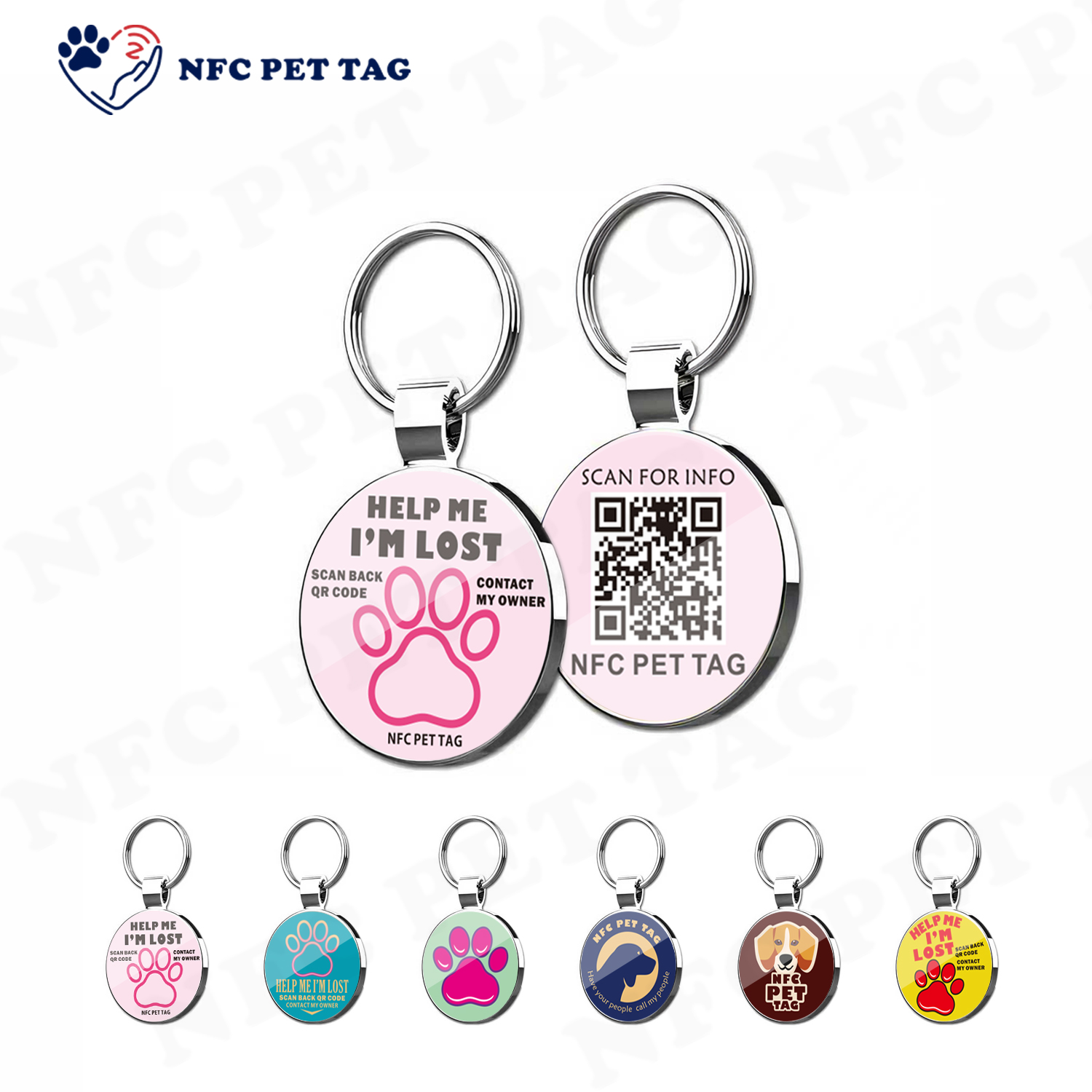
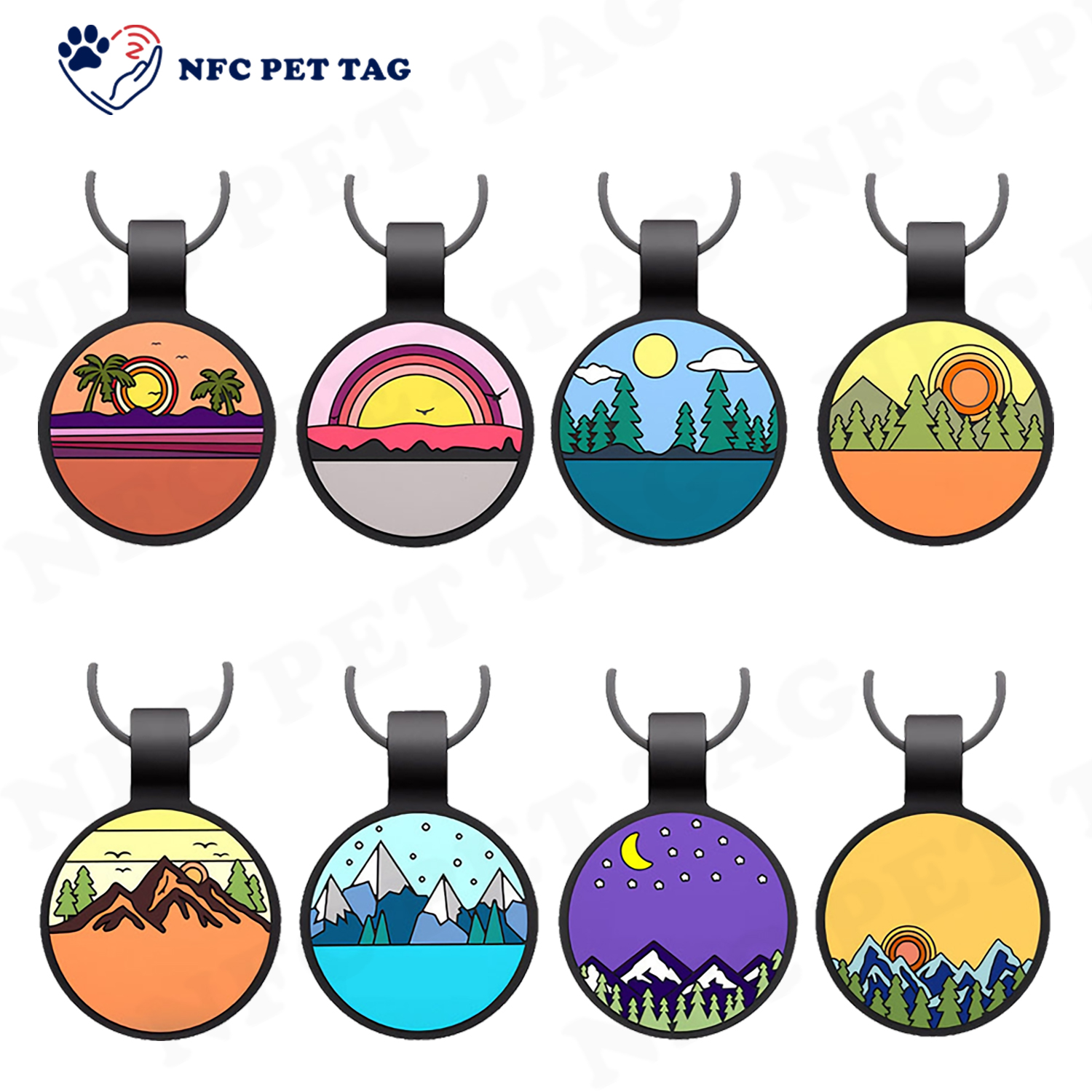
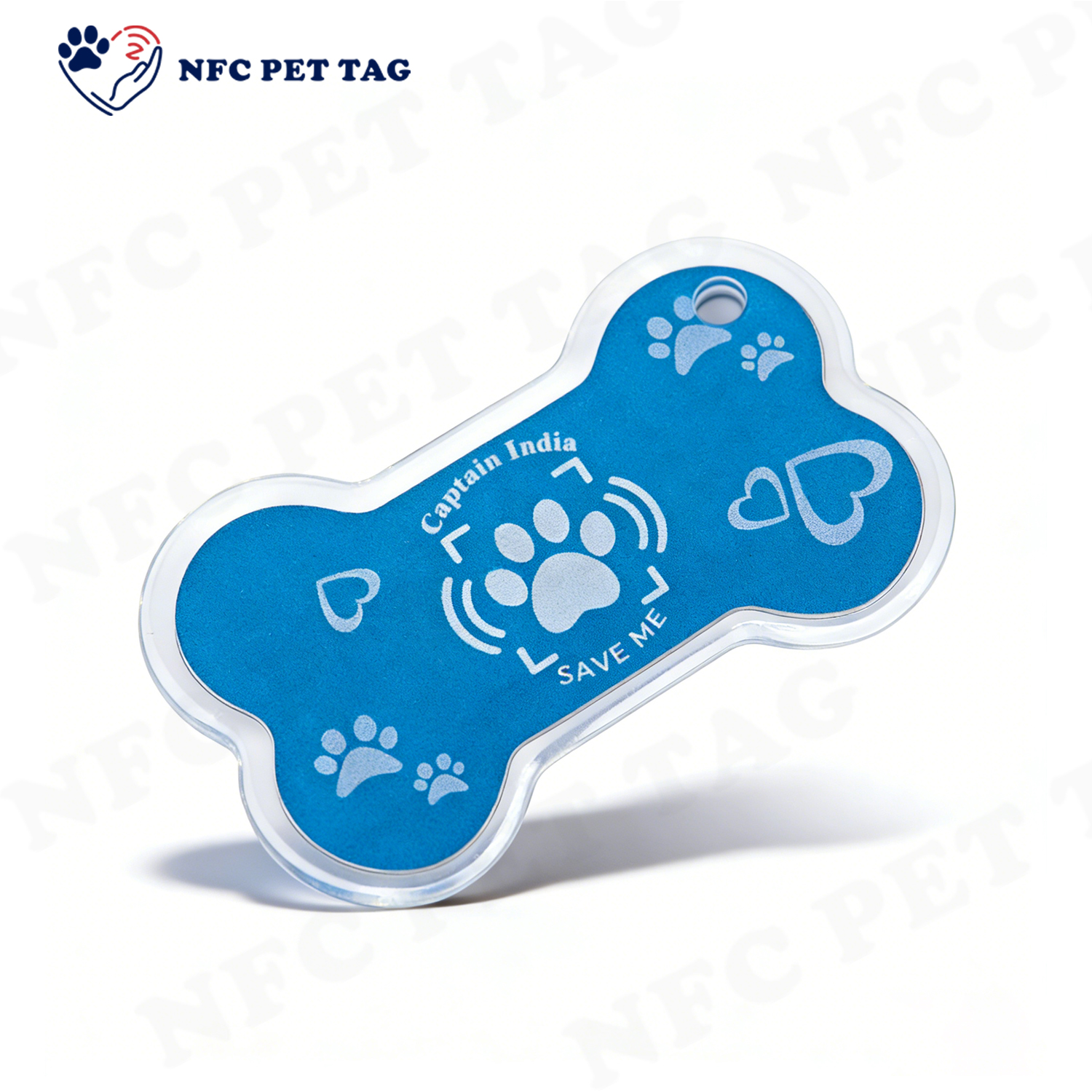
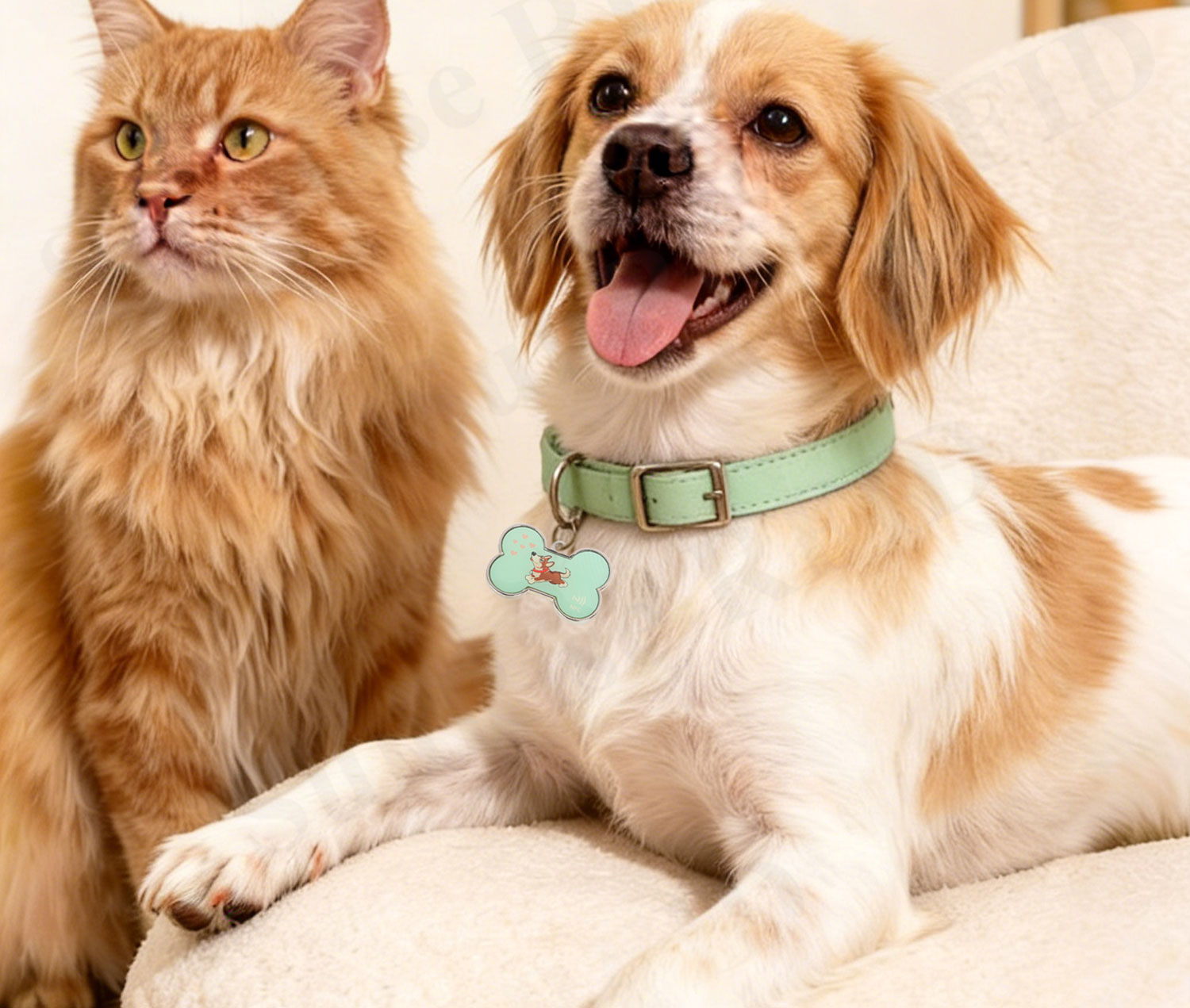
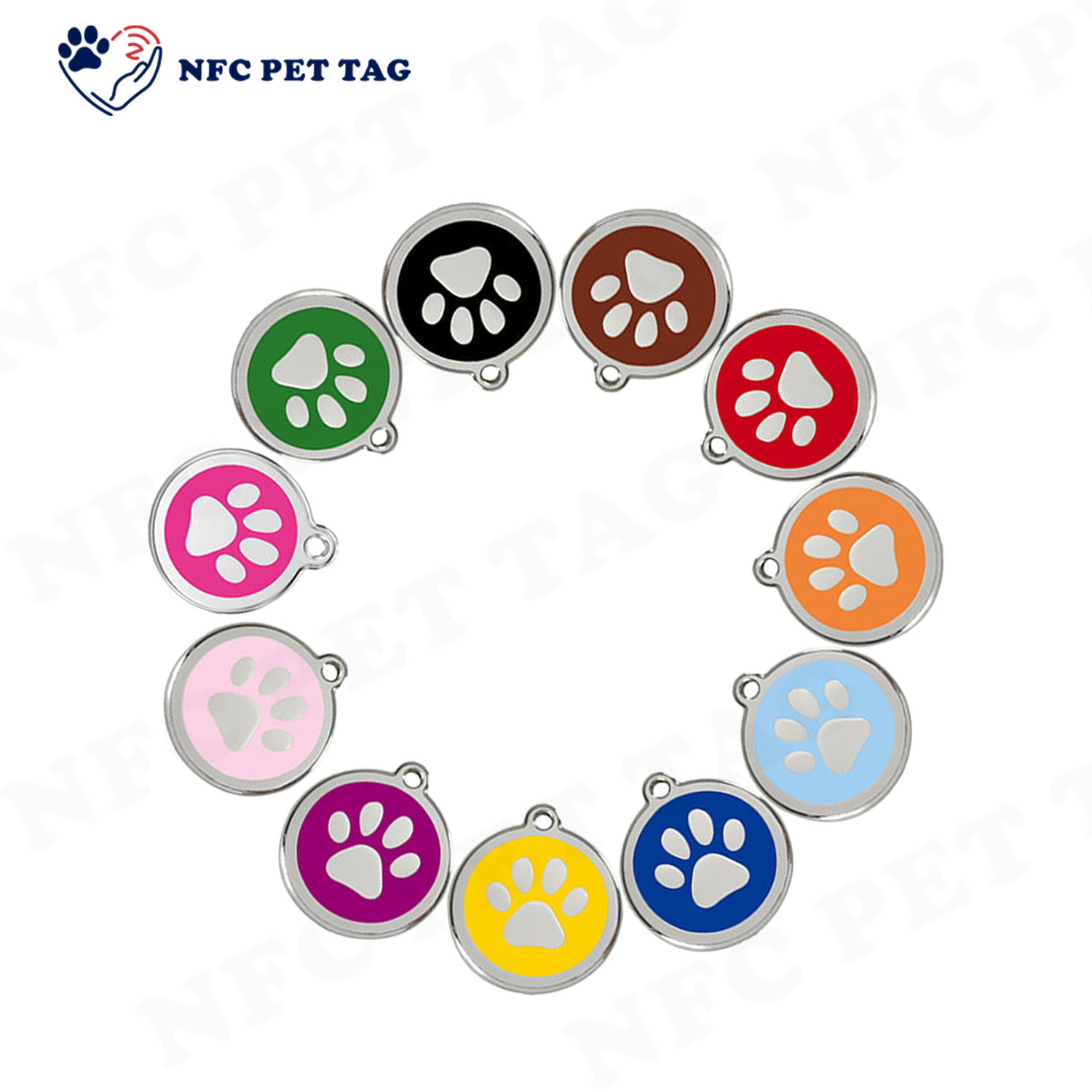
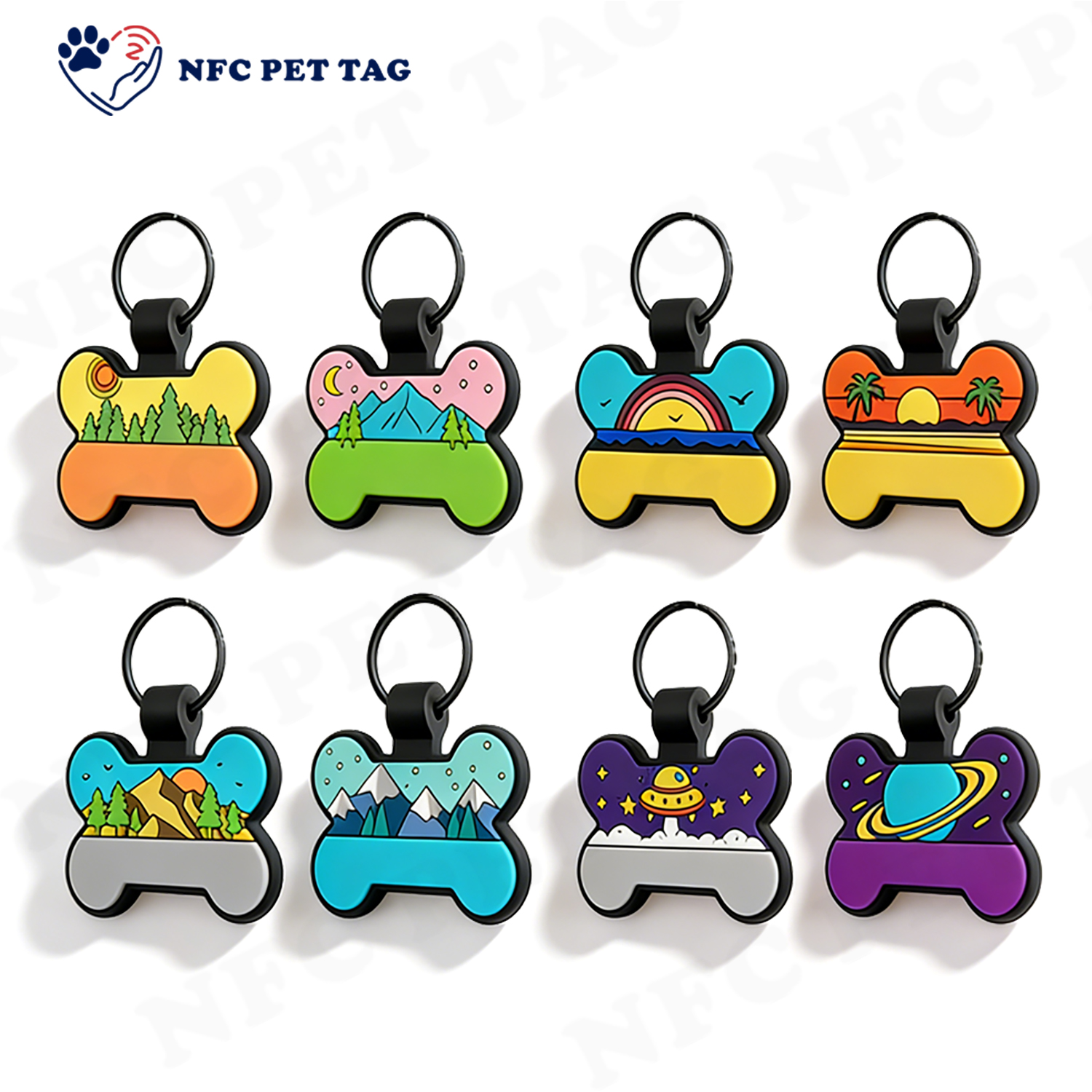
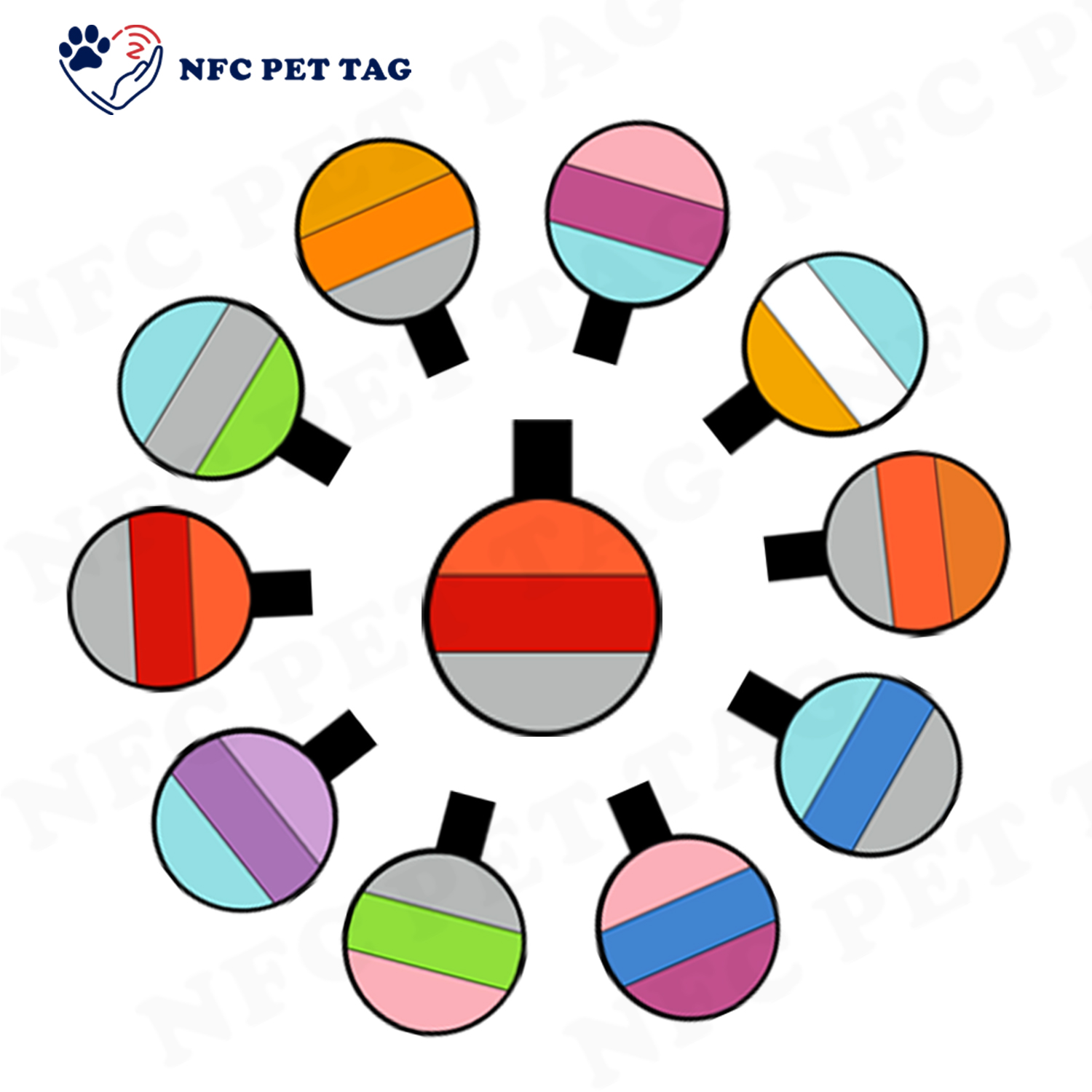
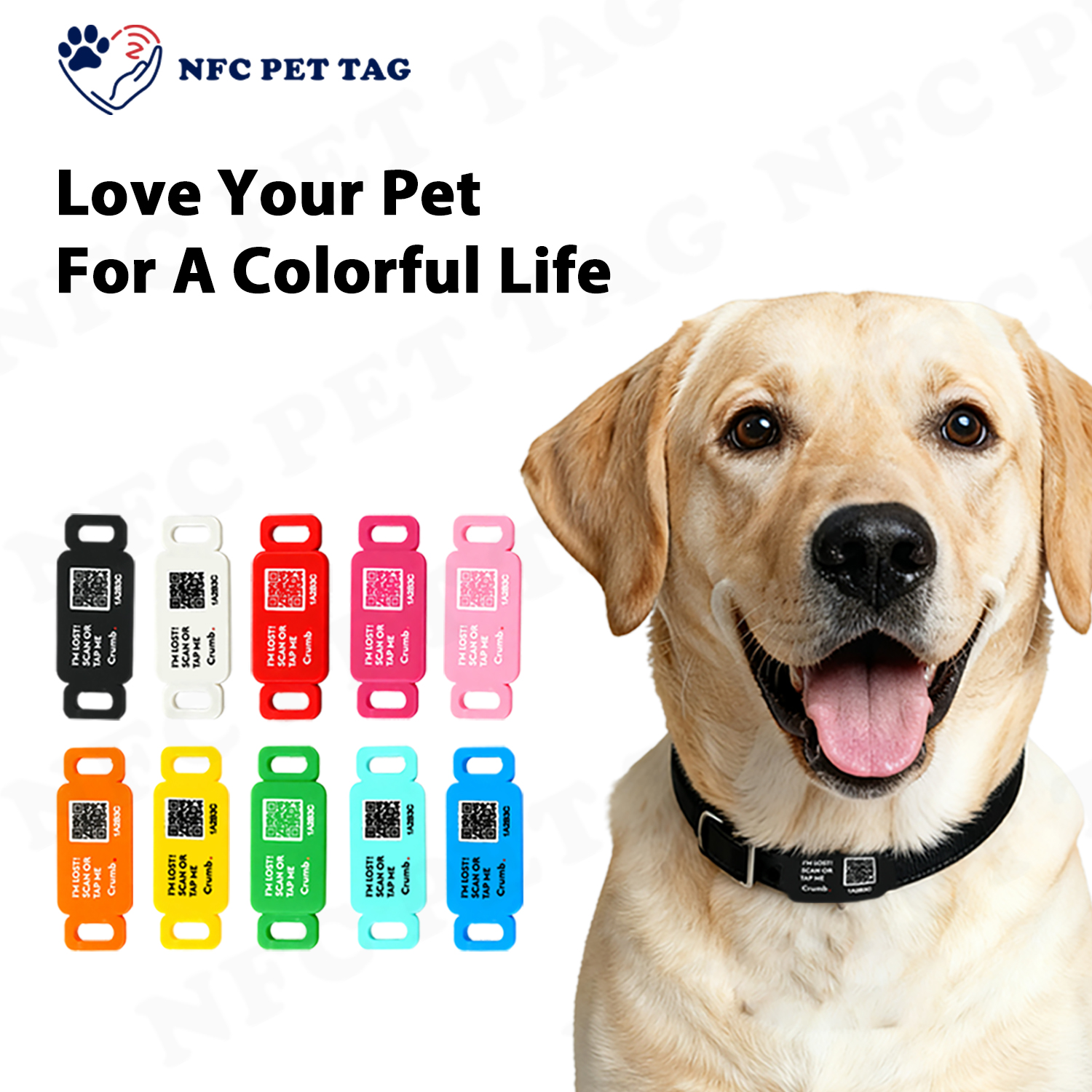
As a dog parent, there’s a quiet fear that lingers in the back of our minds—what if our furry sidekick bolts out the door, gets spooked at the park, or wanders off during a hike? Traditional metal ID tags have long been the go-to solution, but they’re far from perfect: they scratch, fade, bend, or even fall off, leaving our pups without a lifeline. Enter the NFC pet ID tag for dog collars—a modern, tough, and fully customizable alternative that’s changing the game for pet safety. In this ultimate guide, we’ll cover everything you need to know to choose, use, and maximize the value of this life-saving accessory for your pup.
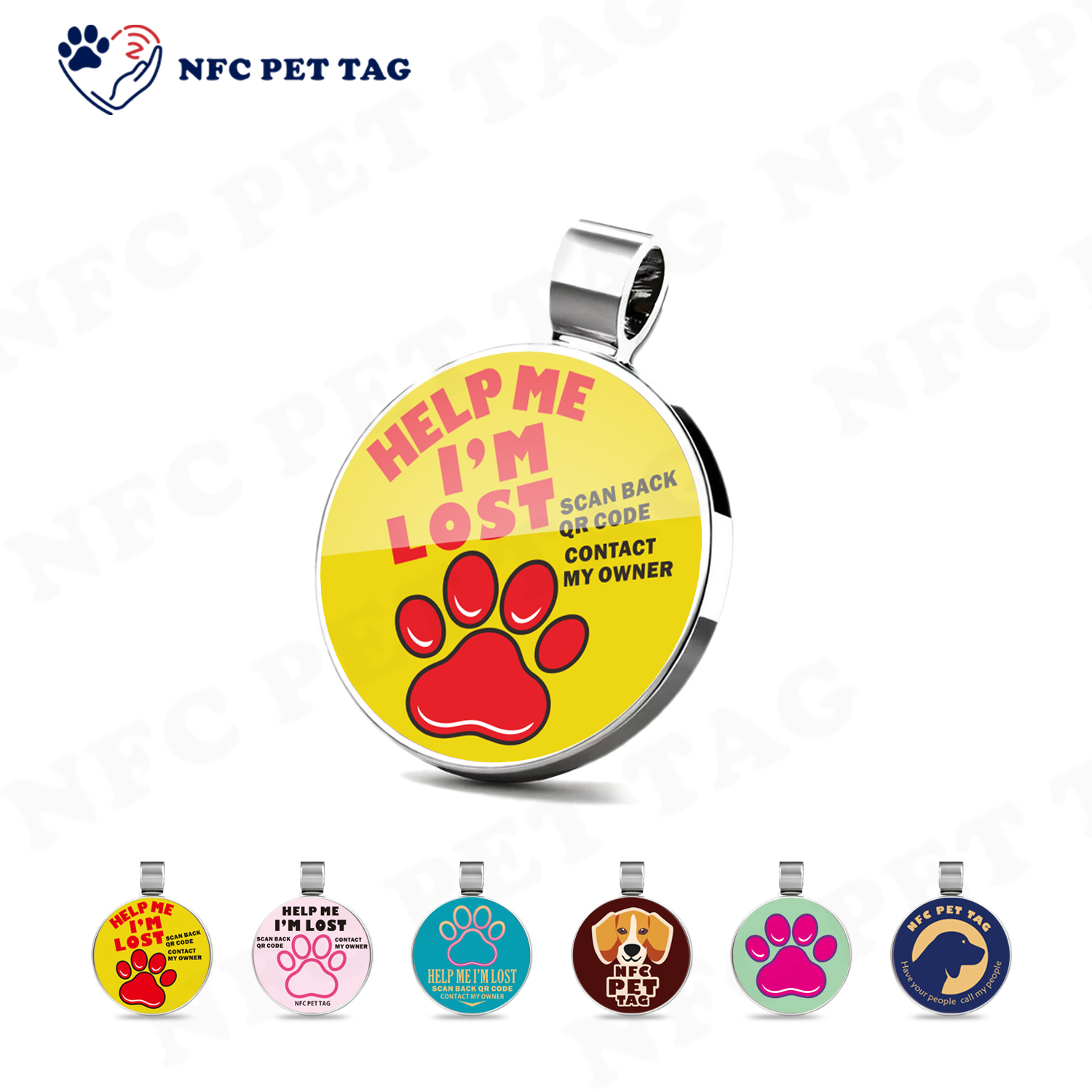
First Things First: What Is an NFC Pet ID Tag?
Here’s how it works: When someone taps their phone to the tag, a web page opens automatically with whatever details you’ve chosen to include (we’ll get to customization next). It’s faster and more reliable than QR codes (which can be unreadable if smudged or scratched) and way more informative than a tiny metal tag that only fits a name and phone number. For busy dog parents, it’s the peace of mind we’ve been waiting for.
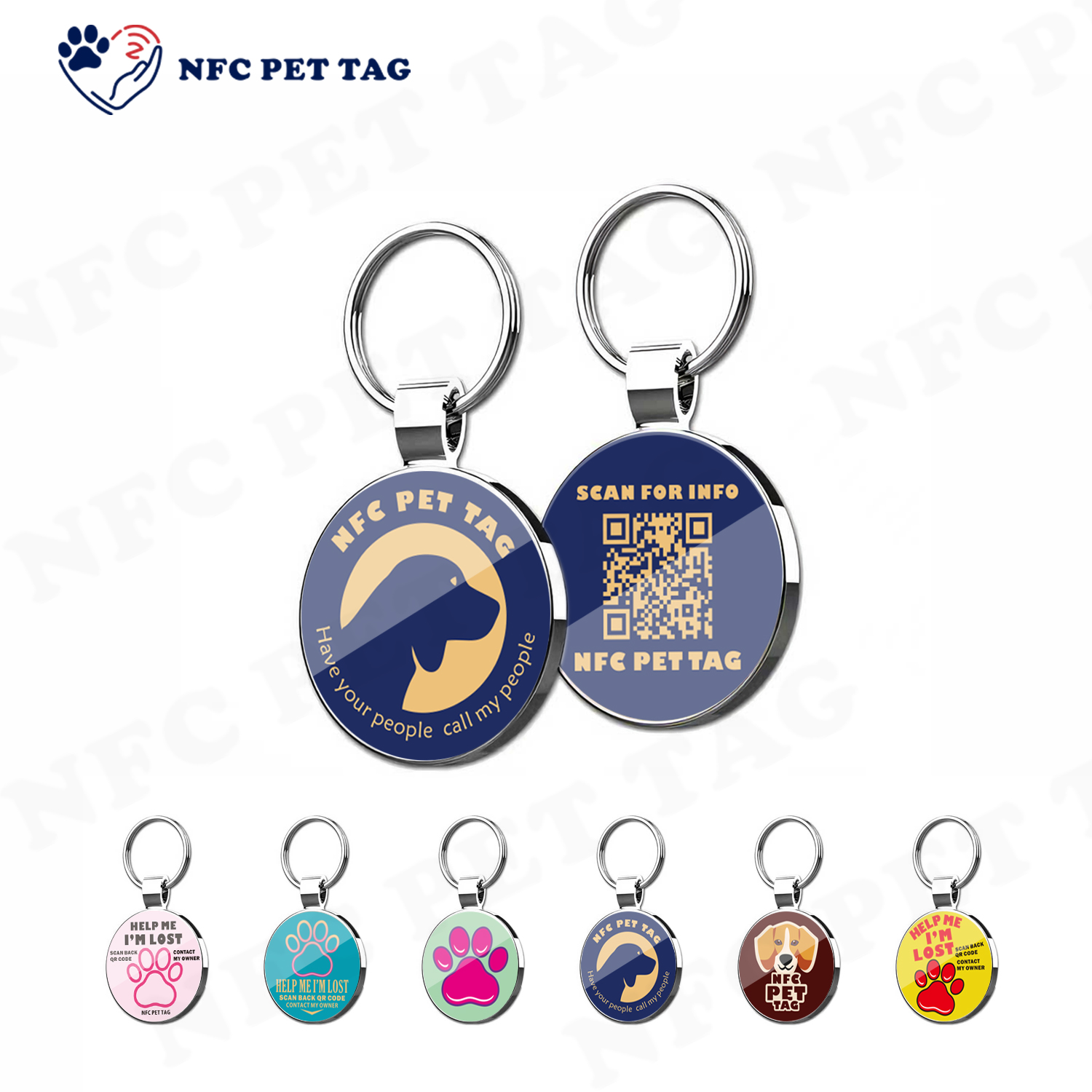
Why Durability Is Non-Negotiable (Dogs Are Tough on Gear!)
Premium Materials: Look for tags made from stainless steel or heavy-duty polycarbonate plastic. Stainless steel resists rust, corrosion, and scratches—perfect for water-loving dogs who live for lake days or rainy walks. Polycarbonate is lightweight but shockproof, so it can handle drops and tugs without cracking.
Waterproof & Weatherproof: Opt for a tag with an IP67 or IP68 waterproof rating. IP67 means it can be submerged in 1 meter of water for 30 minutes; IP68 is even tougher (submersible in deeper water for longer). This is non-negotiable for dogs who love swimming or live in wet climates.
Scratch-Resistant Coating: Many high-quality tags have an epoxy or matte coating that prevents scratches from ruining the tag’s exterior (and its functionality). Even if your dog rubs their collar against concrete or rough surfaces, the tag will stay intact.
A durable NFC tag isn’t just a purchase—it’s an investment. You won’t have to replace it every few months, and you can trust that it will work when you need it most (aka the moment your pup goes missing).
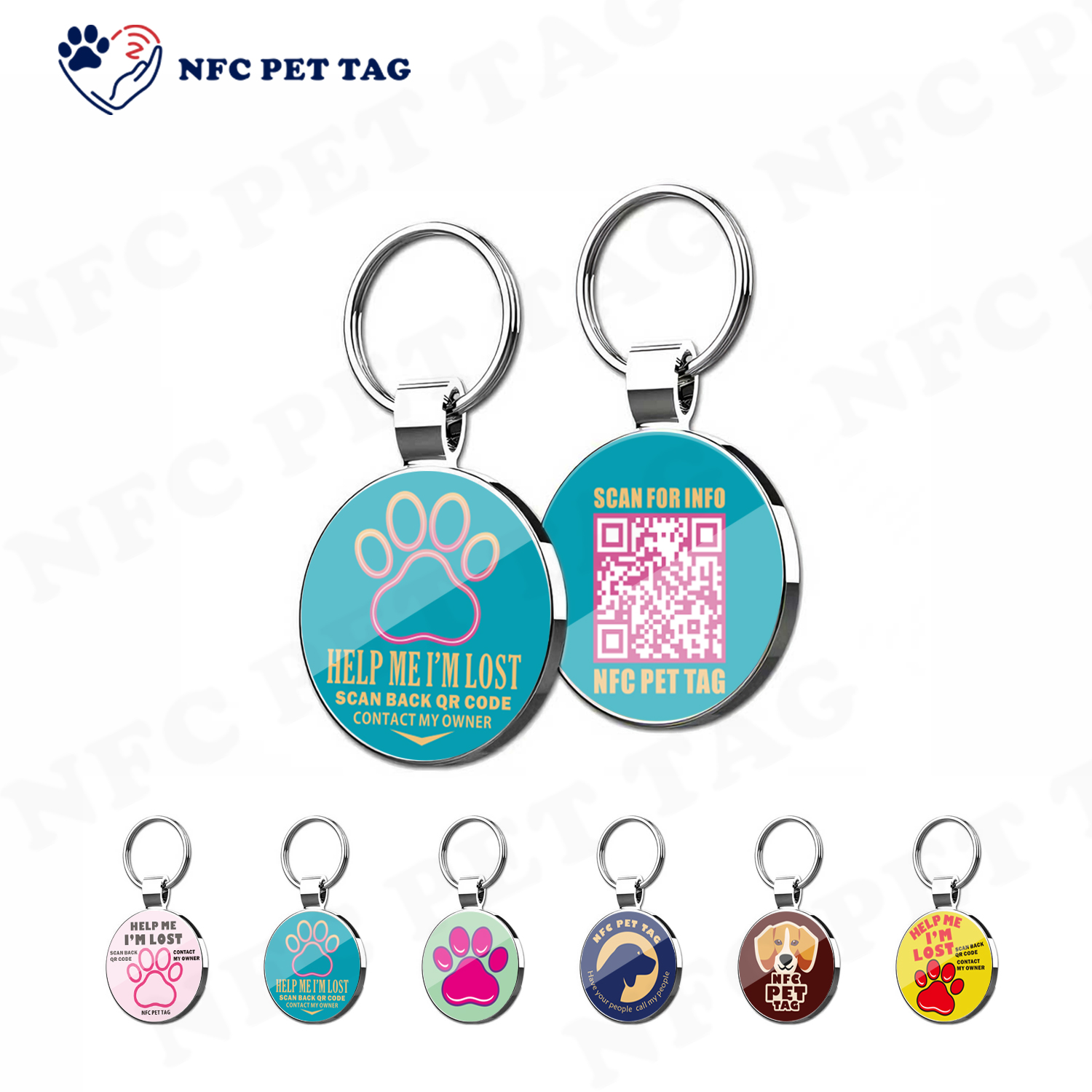
Customization: Make the Tag Work for Your Dog
Your Contact Info: Full name, primary phone number, secondary phone number (in case you’re at work or your phone dies), and home address. This is the foundation—double-check for typos!
Dog-Specific Details: Your dog’s name (so the finder can call them to calm them down), breed, age, and any medical conditions (e.g., “Diabetic—needs insulin at 7 AM/7 PM” or “Allergic to flea medication”). If your dog is on daily meds, include that too!
Veterinarian Info: Your vet’s name, phone number, and address. If your dog gets injured while lost, the finder can contact your vet for medical guidance (or even take them there if needed).
Emergency Contacts: A friend, family member, or pet sitter who can be reached if you’re unavailable (e.g., “Aunt Lisa—lives 5 mins away, can take in the dog temporarily”). This is crucial if you’re out of town or unreachable.
Optional Extras: Many brands let you add personalized touches, like engraving your dog’s name or a paw print on the tag, uploading a photo (so the finder can confirm they have the right dog), or even adding a note (e.g., “Friendly but skittish—offer treats to gain trust!”).
Pro tip: Choose a tag that lets you update the information remotely. Life changes—you might move, change phone numbers, or get a new vet. With remote updates (via a website or app), you don’t have to buy a new tag—just log in and edit the details. It’s a game-changer for long-term use.
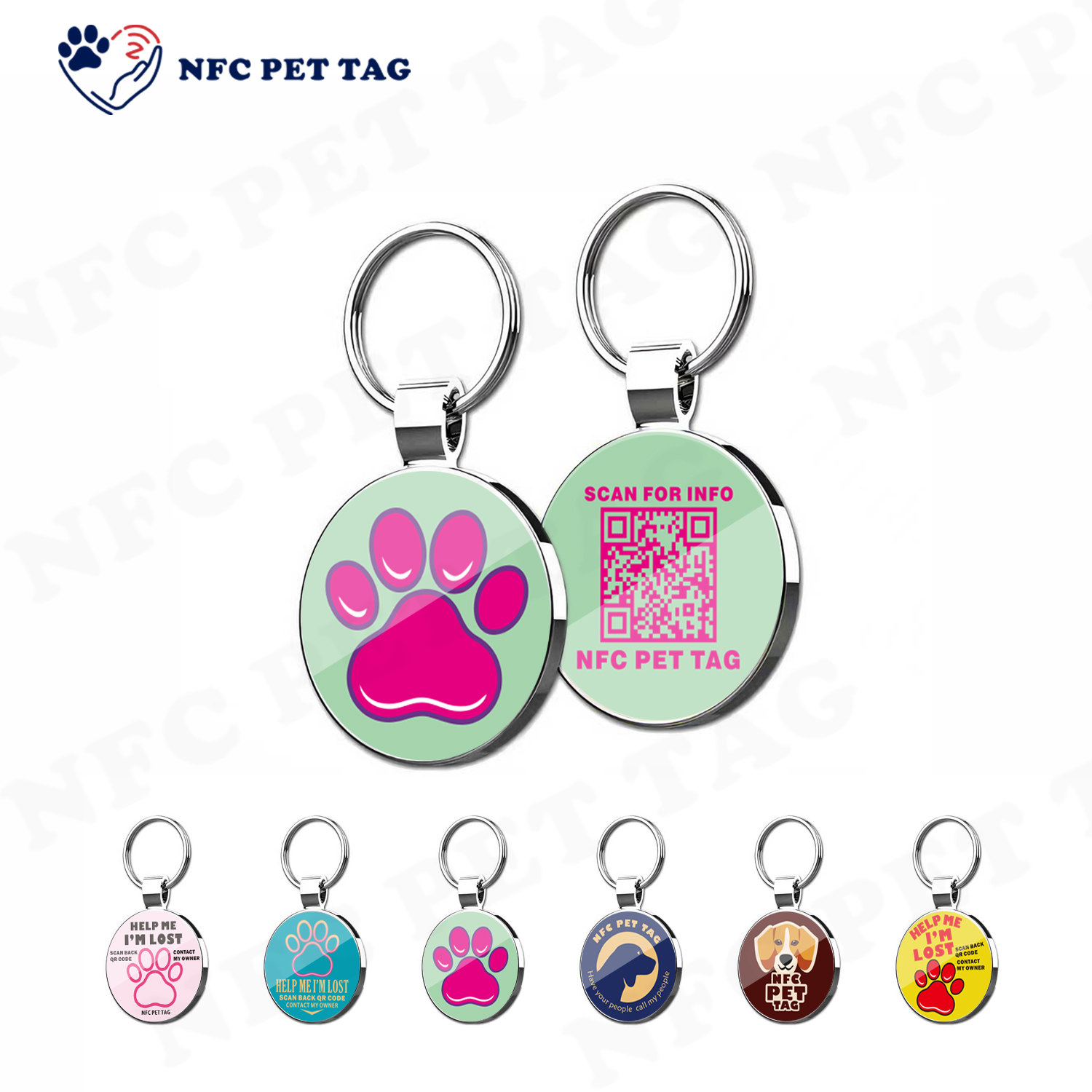
NFC Tags vs. Microchips vs. Traditional Tags: What’s the Difference?
The best strategy? Use all three. Microchips are your long-term safety net. NFC tags are your “on-the-spot” solution for everyday emergencies. Traditional tags are a backup (for people who don’t have NFC-enabled phones). Together, they create a foolproof safety system for your pup.
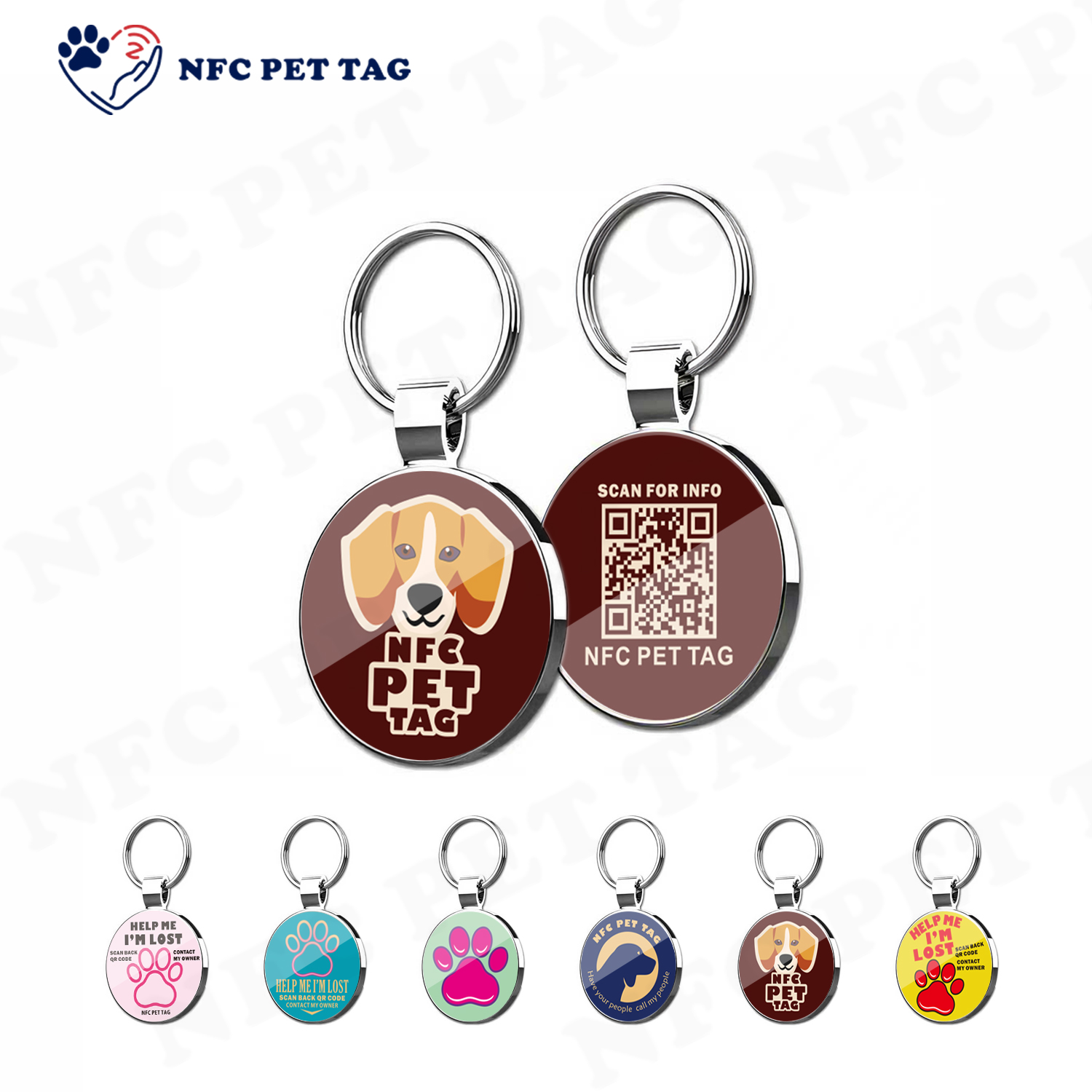
How to Choose the Perfect NFC Tag for Your Dog
Size & Weight: Match the tag to your dog’s size. A Chihuahua or Yorkie needs a tiny, lightweight tag (under 5g) so it doesn’t irritate their neck. A Golden Retriever or German Shepherd can handle a sturdier tag (5-10g) without discomfort. Avoid oversized tags—they’ll weigh down your dog’s collar and get caught on things.
Durability Features: Prioritize IP67/IP68 waterproofing, stainless steel/polycarbonate material, and a scratch-resistant coating. If your dog is a chewer, look for a tag with a smooth design (no small parts they can bite off).
Remote Update Capability: This is non-negotiable! Skip tags that require you to buy a new one if your info changes. Look for brands that offer free, easy remote updates via a website or app.
Battery Life: Good news—most NFC pet tags are battery-free. They’re powered by the smartphone’s NFC signal, so you never have to worry about replacing a battery (or your tag dying when you need it). Win-win!
Brand Reputation: Read reviews from other dog parents. Look for brands with positive feedback about durability, customer service, and ease of use. Avoid no-name brands—your dog’s safety isn’t worth cutting corners. Some trusted brands include PetHub, GoTags, and NFC Pet ID.
Price: NFC tags range from $15-$50, depending on features (e.g., engraving, photo upload, remote updates). While they’re more expensive than metal tags, they’re worth the investment—especially since you won’t have to replace them as often.
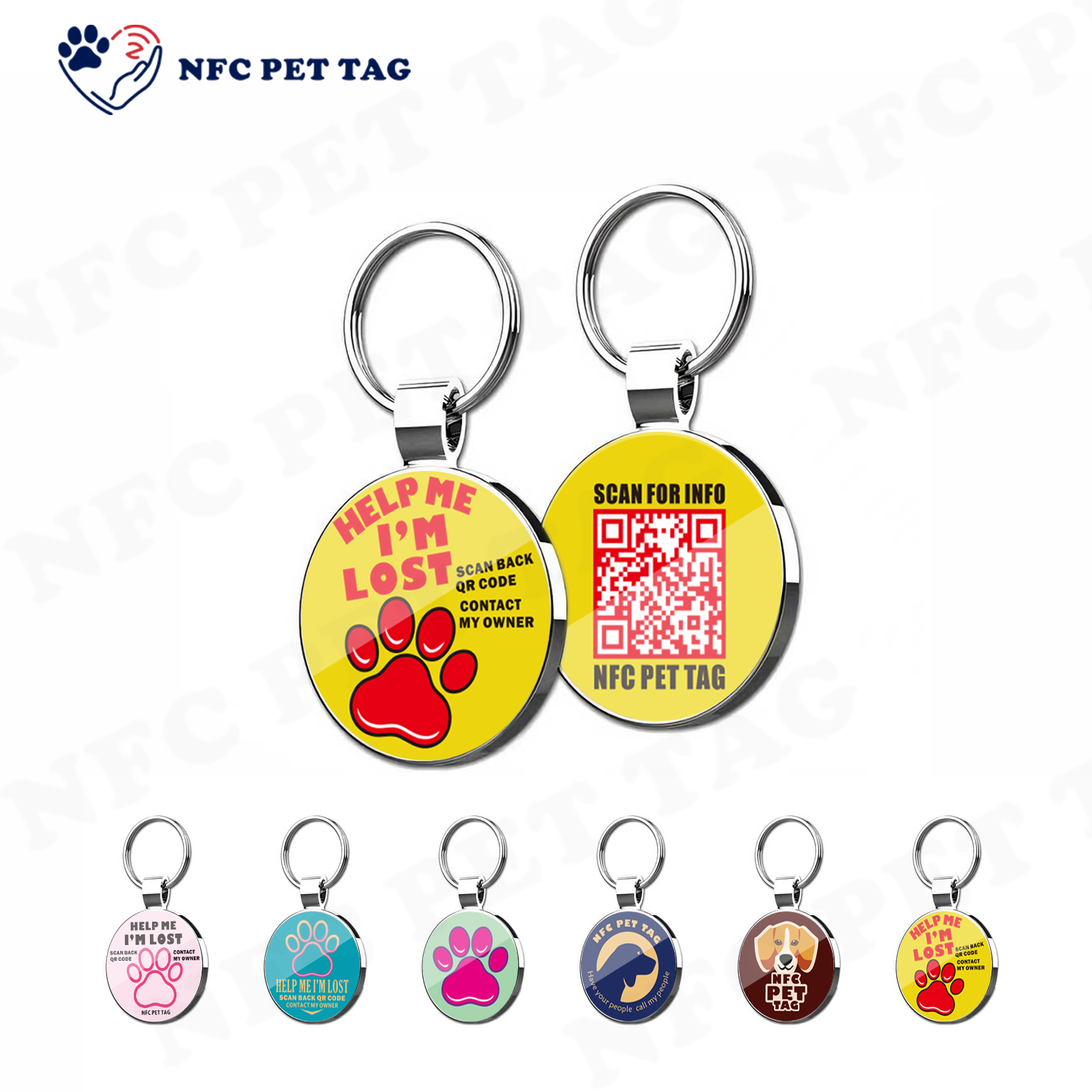
Pro Tips for Using Your NFC Pet ID Tag
Test It First: Tap your own phone to the tag to confirm the info pulls up correctly. Share the tag’s “link” with your emergency contacts so they know what to expect.
Attach It Securely: Use a heavy-duty split ring or a quick-release clip to attach the tag to your dog’s collar. Check the attachment every few weeks to make sure it’s tight (dogs love to pull and tug!).
Keep Info Updated: Set a reminder every 6 months to check if your contact info, vet info, or emergency contacts have changed. With remote updates, this takes 2 minutes!
Pair It with a Reflective Collar: For extra safety at night, use an NFC tag with a reflective collar. The collar will make your dog visible to cars, and the tag will let anyone who finds them contact you instantly.
Final Thoughts: Your Dog’s Safety Deserves the Best
Product List
New Products
-
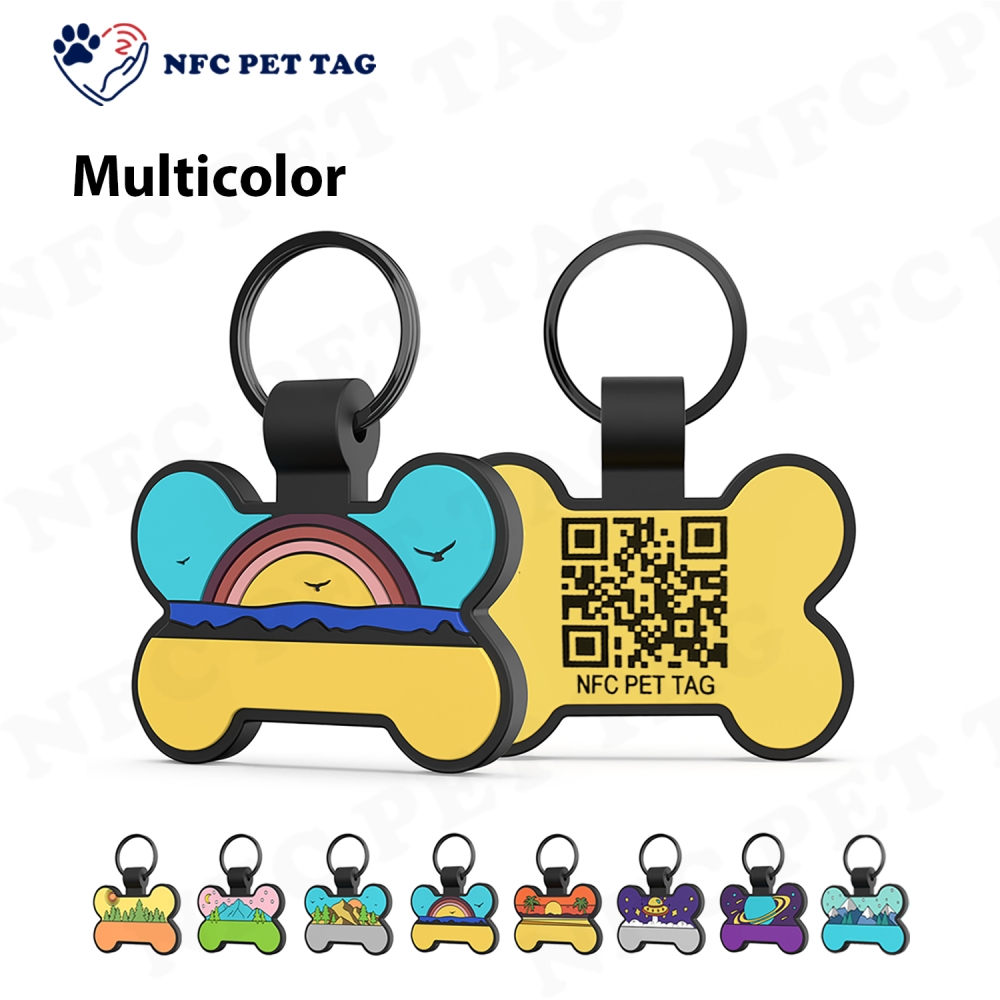
Customizable Silicone Pet Dog Tag New Mute Bone NFC Dog Cat Tag Read More
-
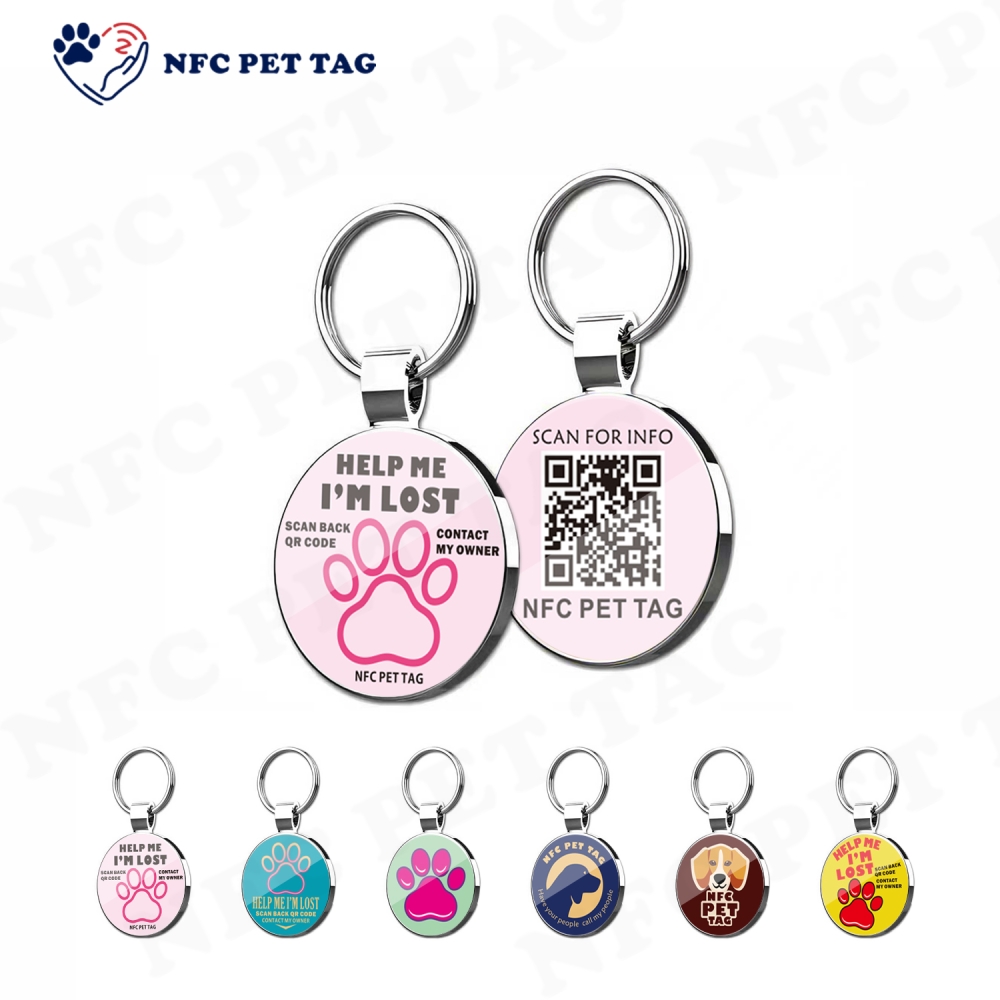
Scratch-Resistant Epoxy-Coated Metal NFC Zinc Alloy Pet Identification Tag Read More
-
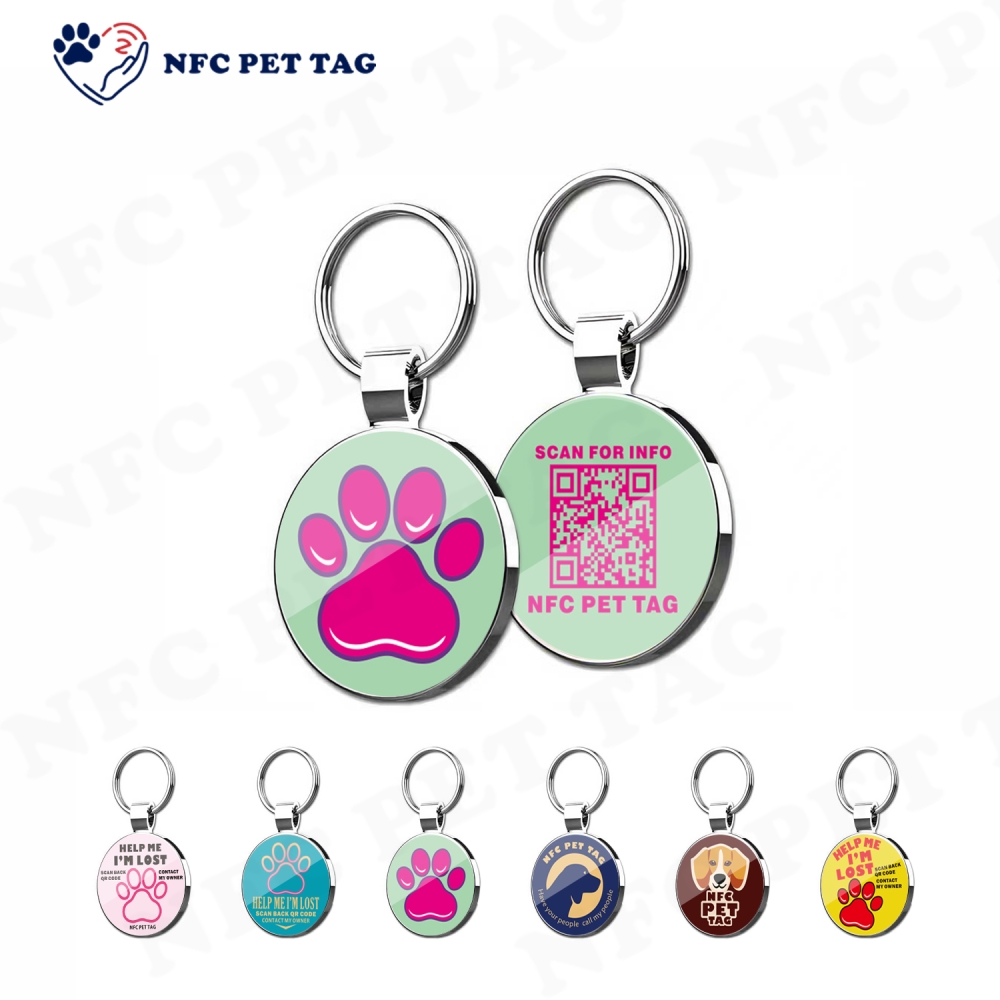
Multi-Functional Metal-Edged PVC Tag Pet Identification Hotel Room RFID Key Card Read More
-
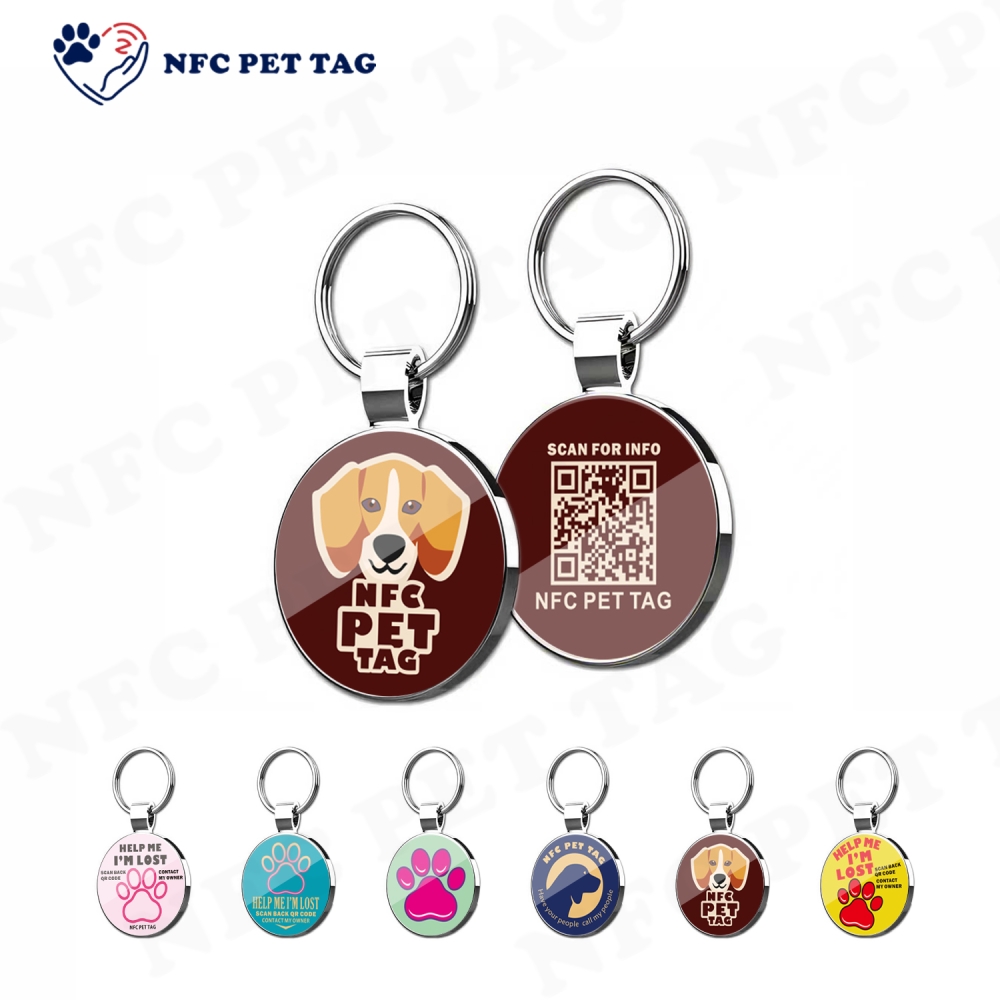
Encrypted NFC Hotel Access Key Card & Durable Metal Pet Collar ID Tag Read More
-
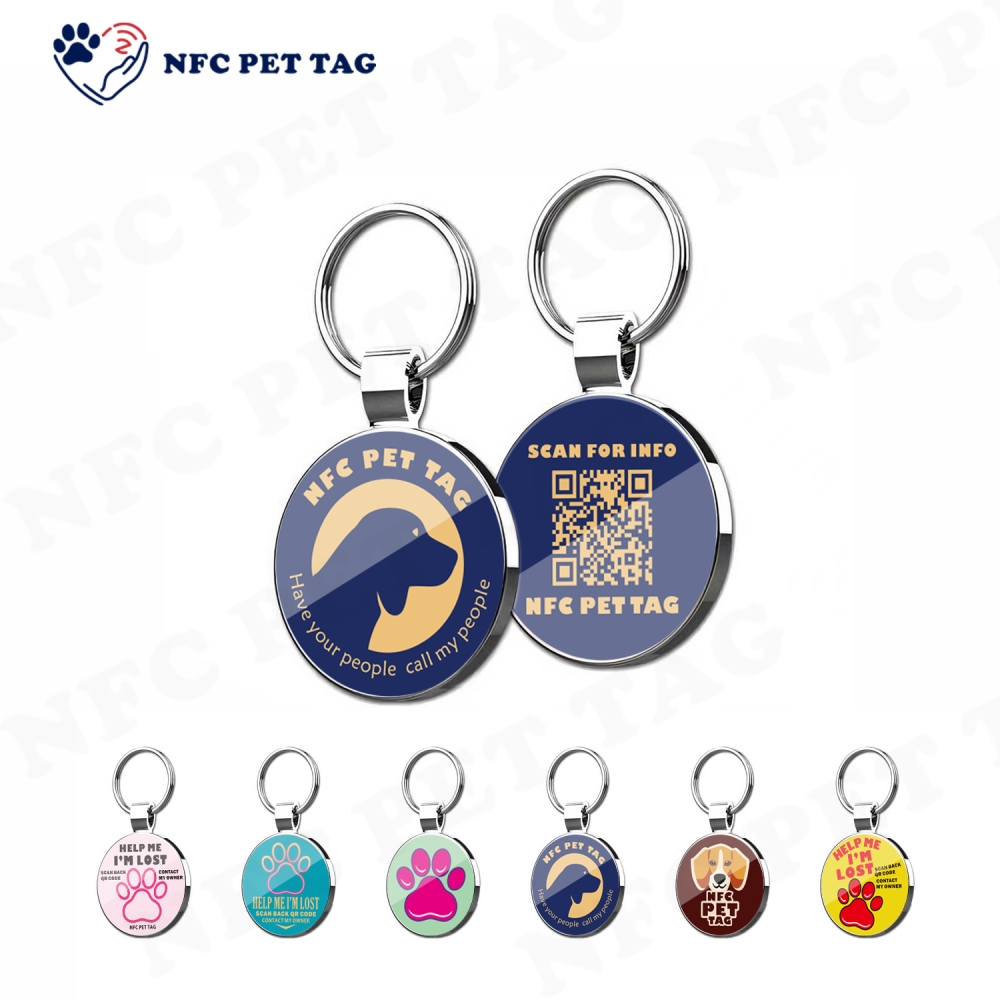
Security-First Encrypted NFC Hotel Key Card & Wear-Resistant Metal Pet Collar Tag Read More
-
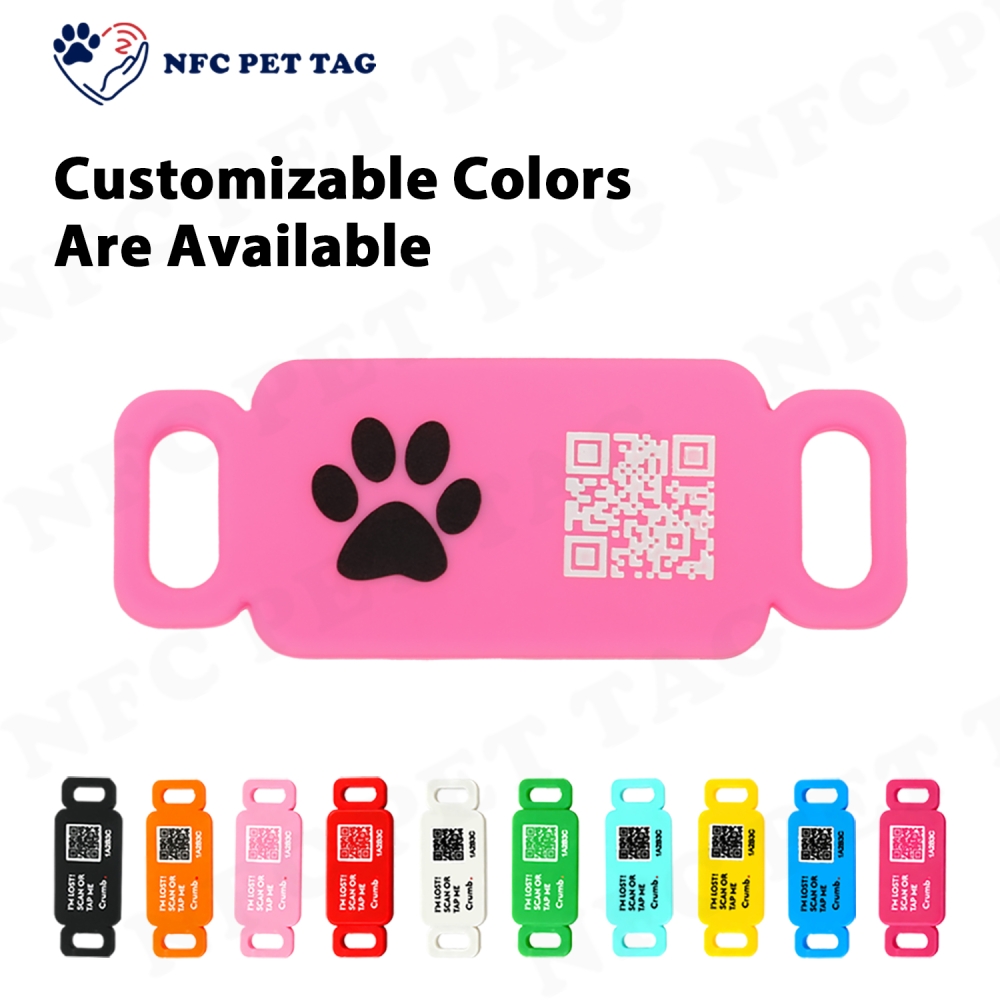
Customized Puppy Mini QR Pet Tag Wear-resistant Barcode NFC Dog Tag Read More
-
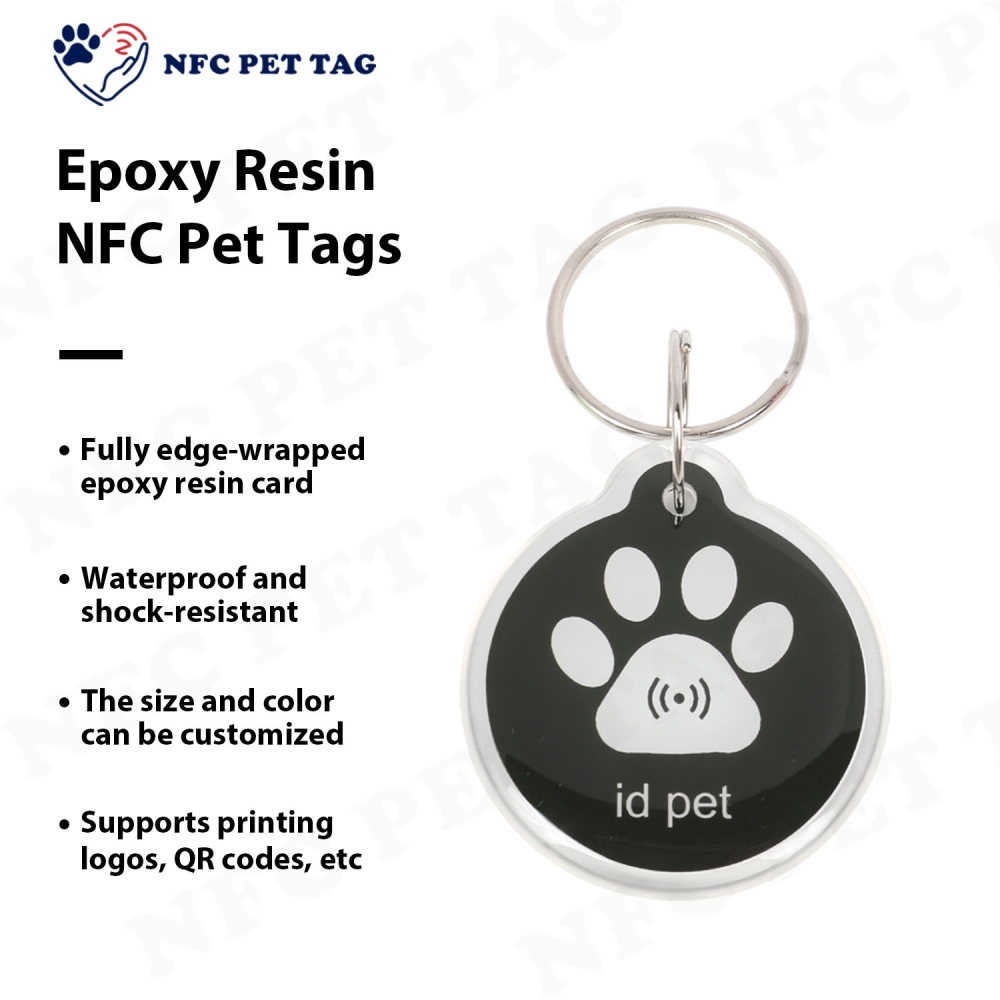
Custom Medical Alert Engraved Pet Safety Tag Durable RFID Epoxy Pet ID Tag Read More
-
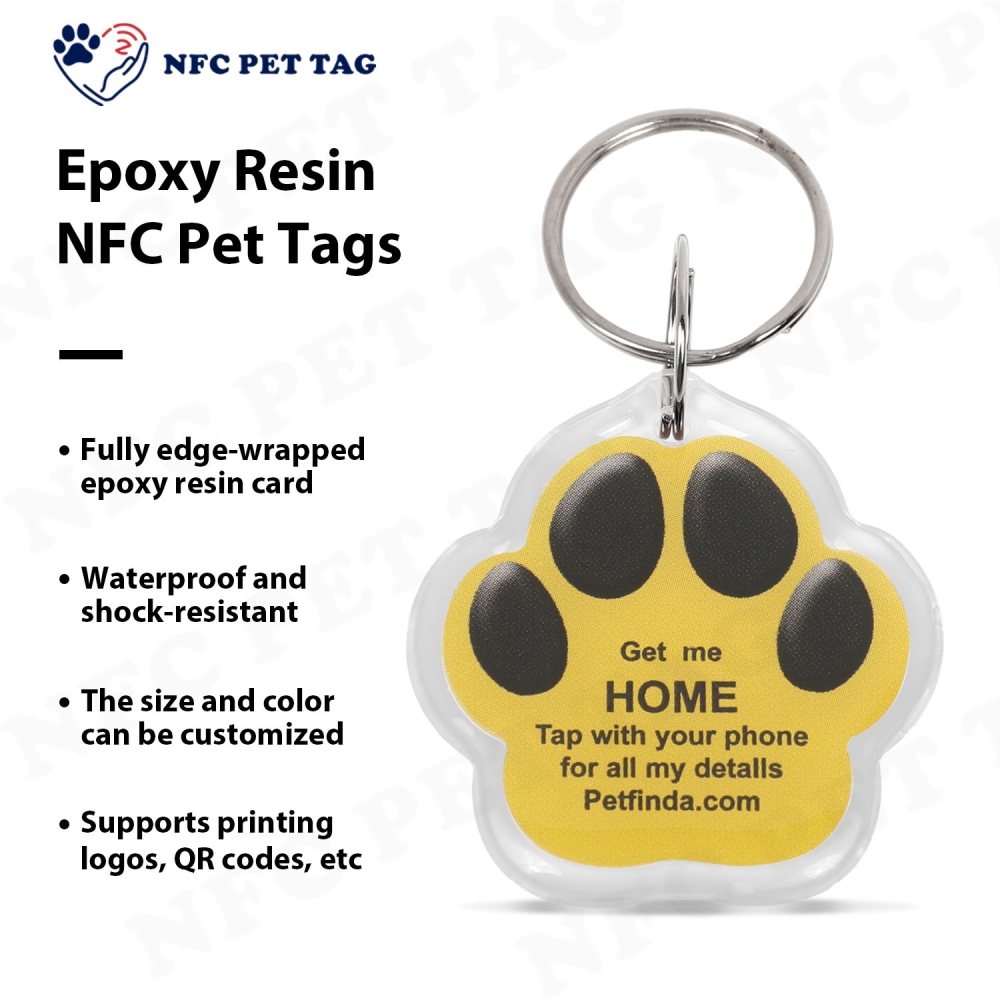
Waterproof Medical Alert Pet Safety Tag with Long-Lasting RFID Durable Epoxy Pet ID Tag Read More

